What Is a Parasocial Relationship and When Does It Become Unhealthy?
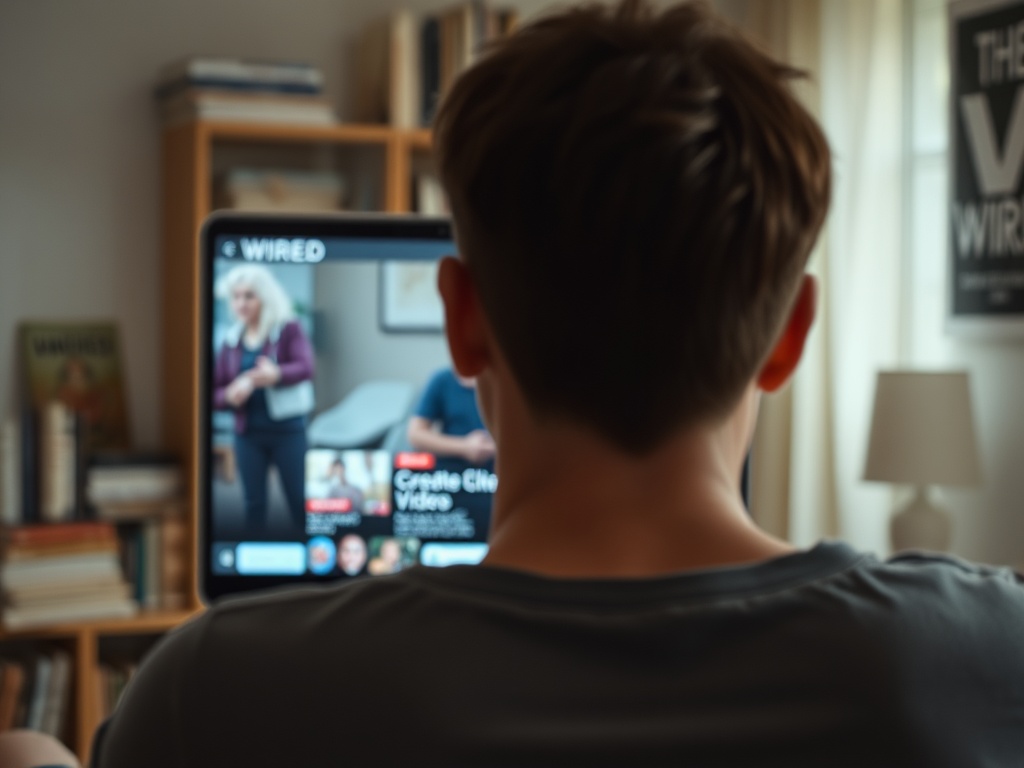
A parasocial relationship is a one-sided sense of connection with a public figure, character, creator, athlete, streamer, or media personality who does not personally know you. It becomes unhealthy when that connection starts replacing reciprocal relationships, distorting expectations, driving compulsive behavior, or causing distress.
A Grounded Fandom Definition
Parasocial bonds are common in media culture. They can feel comforting, motivating, or socially meaningful. The concern is not liking a celebrity or feeling attached to a fictional character. The concern is losing perspective about the one-sided nature of the bond.
Why Parasocial Bonds Feel So Real
Modern entertainment invites familiarity. Podcasts put voices in your ears for hundreds of hours. Streamers speak directly to chat. Actors share behind-the-scenes clips. Musicians post casual updates. Characters return season after season. Over time, your brain can build a sense of routine, trust, and emotional recognition.
Psychology Today’s overview of parasocial relationships defines them as one-sided bonds with people a person does not actually know. That one-sided part is the key distinction. The feeling may be real to the fan, but the relationship is not mutual in the way a friendship, family bond, or partnership is.
This matters at fan events, too. If you are planning a convention or live appearance, the checklist for attending your first gaming convention pairs well with this topic because it emphasizes respectful interaction, boundaries, and realistic expectations.
When Parasocial Connection Can Be Harmless or Helpful
A parasocial bond can be harmless when it adds enjoyment without crowding out real life. A creator might make you feel less alone during a difficult period. A fictional character may help you name a feeling. A musician’s work may motivate you through a project. A public figure’s discipline may inspire your own routine.
Harvard Health has discussed how these one-sided connections can offer a sense of connection while also carrying downsides if people rely on them too heavily. The balanced point is useful: the bond is not automatically bad, but it should not become your main emotional support system. You can read more in Harvard Health’s article on whether parasocial relationships fill a loneliness gap.
Signs the Relationship May Be Becoming Unhealthy
A parasocial relationship may need attention when it starts changing behavior in ways that harm your wellbeing or other people’s boundaries. Warning signs include:
- Feeling personally betrayed by normal career choices, relationships, or creative decisions
- Spending money you cannot afford on merch, tickets, subscriptions, or gifts
- Checking updates compulsively even when it affects sleep, work, or school
- Neglecting friends, family, hobbies, or responsibilities
- Believing the person is sending hidden personal messages to you
- Harassing critics, partners, collaborators, or other fans
- Trying to find private information, locations, or contact routes
- Feeling unable to enjoy life unless the figure is active online
The Cleveland Clinic’s article on healthy and unhealthy parasocial relationships is especially useful because it distinguishes potential benefits from more concerning patterns, including when thoughts and behavior feel hard to control.
Parasocial Does Not Mean Fandom Is Fake
One common misunderstanding is that parasocial means “pathetic” or “imaginary.” That is not fair. Fandom can build real community among fans. People make friends through book clubs, concerts, conventions, forums, and watch parties. The community is reciprocal even if the celebrity relationship is not.

A healthier framing is this: the art, performance, or media may be meaningful to you, and the fan community may be real, but the public figure does not owe you personal access. If you enjoy live entertainment, the guide to VIP, general admission, and seated tickets can also help separate paid access from personal closeness. A VIP package may include a better view or organized perk. It does not create friendship.
Parasocial Versus Ordinary Admiration
Admiration is usually flexible. You can enjoy an actor’s work, a streamer’s humor, or a musician’s public style without feeling entitled to their private life. A parasocial attachment becomes more intense when the figure starts to feel like a personal emotional anchor. That shift can be subtle, especially when platforms reward constant updates and fans use insider language.
A useful test is reciprocity. Can this person check on you, apologize to you, make plans with you, or know your needs without a public platform between you? If not, the bond may still be meaningful, but it should not be treated like a mutual relationship.
How to Reset Boundaries Without Quitting Fandom
You do not have to abandon a fandom to make it healthier. Try small boundary resets:
- Turn off nonessential notifications
- Set a spending limit before ticket or merch drops
- Keep one media-free part of the day
- Talk with friends about topics unrelated to the figure
- Avoid accounts that encourage obsession or harassment
- Do not track private locations or personal relationships
- Remind yourself that curated posts are not full access to a person’s life
If the connection is tied to loneliness, add reciprocal contact rather than only removing media. Join a local activity, reading group, class, volunteer shift, or fan meetup with clear social norms. The checklist for joining a book club you will actually enjoy is one low-pressure example of turning media interest into real conversation.
When to Seek Help
Consider speaking with a mental health professional if the attachment feels uncontrollable, causes panic or depression, leads to stalking or harassment urges, damages relationships, or drives spending you cannot manage. This is not about shame. It is about getting support when a media bond becomes a substitute for stability, identity, or safety.
Keeping Fandom Enjoyable and Grounded
A parasocial relationship becomes healthiest when it stays in its proper place: a meaningful one-sided connection to media, not a replacement for mutual human relationships. Enjoy the art. Appreciate the creator. Share the fandom with other fans. But protect your time, money, privacy, and perspective. Good fandom should make your life feel wider, not smaller.