Beginner Drill Progressions for Soccer First Touch and Passing Accuracy
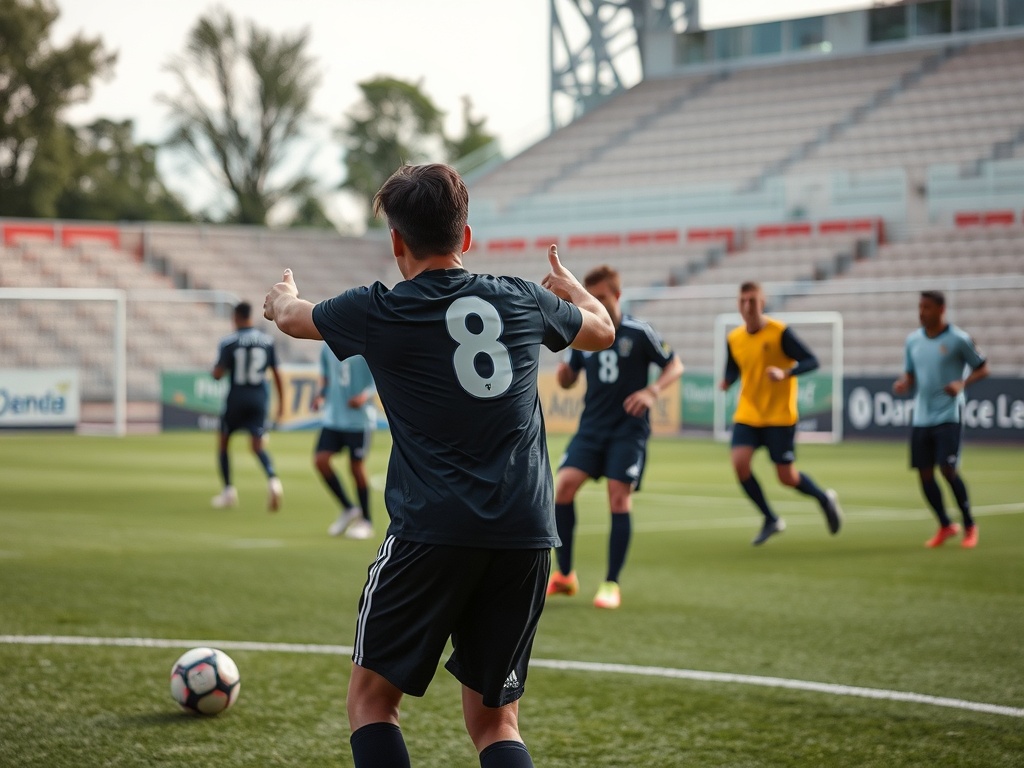
Beginner soccer players improve first touch and passing accuracy fastest when drills progress from unopposed repetition to light pressure and then to game-like decisions. The goal is not just a clean touch, but a touch that prepares the next action.
TL;DR: Key Takeaways
- Start with ball familiarity, body shape, and receiving angles before adding speed.
- Measure progress with first-touch direction, pass completion, scanning, and decision quality.
- Keep pressure realistic but manageable so players learn rather than rush.
For coaching context, the FIFA Training Centre grassroots resources and England Football passing and receiving programme both support practical, age-appropriate skill development.
What “first touch” really means for beginners
First touch is the player’s first contact with the ball after receiving it. A good first touch does not simply stop the ball; it moves the ball into a useful space. That space might open a passing lane, protect possession from a defender, or prepare a shot. Passing accuracy depends on the same idea. A pass is accurate when it reaches the right foot, at the right pace, at the right time for the next action.
FIFA’s grassroots coaching resources emphasize age-appropriate, enjoyable development rather than adult-style sessions copied onto beginners. That matters because first touch and passing are coordination skills. Beginners need many successful contacts, short explanations, and small decisions that grow over time. A session that is too complex may look serious but can produce stiff players who panic when pressure appears.
The narrow angle for this article is progression. Instead of collecting random drills, build a sequence. Each step should answer one question: can the player receive, prepare, and pass with slightly more realism than before?
Progression 1: stationary control and clean passing lines
Begin with pairs eight to twelve yards apart. Player A passes to Player B’s back foot. Player B opens the hips, takes the first touch across the body, and passes back with the other foot. Keep the tempo slow enough that the player can scan before receiving. The coaching cues are simple: check shoulder, show the target, cushion the ball, touch out of feet, and pass through the center of the ball.
Run this for short blocks of two or three minutes, then change the receiving foot. Count clean sequences instead of total passes. A useful beginner target is five clean receive-and-pass actions in a row with both players balanced. The common mistake is letting the receiving player stand square, trap the ball under the body, and then take extra touches to recover. Correct the body shape first, not the final pass.
This stage links well with general athletic preparation. Players who struggle to hold posture, decelerate, or stabilize may also benefit from basic strength habits described in compound lifts for athletes, but the ball work should remain the main focus in a technical session.
Progression 2: gates, angles, and target selection

Next, create small gates with cones. Partners pass through a gate, then move to a new gate after every successful pass. This forces players to adjust feet, receive at an angle, and pass with intention. England Football’s passing and receiving session work is useful here because it frames receiving as an action connected to scoring or progression, not as an isolated trick.
Add a rule: the first touch must take the player away from the gate just used and toward the next option. This teaches a beginner that the first touch creates the next picture. Measure three things: how often the player checks before receiving, whether the first touch goes into space, and whether the pass arrives at playable speed. Do not reward only hard passes; beginners often confuse power with quality.
| Stage | Main cue | Simple measure |
|---|---|---|
| Pairs | Open hips and touch out of feet | Five clean receive-pass sequences |
| Gates | Touch toward next option | Playable pass through moving target |
| Passive pressure | Receive on safe side | First touch away from defender |
| Rondo | Scan before receiving | Line-breaking first touch |
| Small-sided game | Use touch to solve pressure | Better possession decisions |
Progression 3: passive defender pressure
Now add a passive defender who shadows but does not tackle. The receiver must move away from the defender before the pass arrives, receive on the safe side, and play to a target. This stage teaches the timing of separation. If the receiver moves too early, the defender follows. If the receiver moves too late, the passer has no target. Keep the defender at half speed at first.
A clear coaching phrase is “move late, show early.” The player changes position late enough to create separation, then shows a clear passing target early enough for the passer to decide. This is also where communication begins. Use short calls such as “feet,” “turn,” or “man on,” but avoid constant shouting. The ball carrier still needs to scan, and the receiver still needs body shape.
Progression 4: directional rondo with a purpose
A rondo is useful only when the rules match the learning goal. For beginners, use a four-versus-one or five-versus-two grid with a direction. Award an extra point when a player’s first touch breaks a line or opens a new passing lane. This keeps the exercise from becoming keep-away without transfer. The defender should rotate often so the tempo stays fresh.
Common errors appear quickly: players hide behind defenders, pass to the wrong foot, or take a first touch back into pressure. Pause briefly, show the better angle, and restart. Avoid long lectures. A beginner’s attention is better spent repeating the corrected action. Confidence grows when players can feel why the adjustment works, which connects naturally to building the right competitive mindset.
Progression 5: small-sided game with constraints
Finish with a three-versus-three or four-versus-four game. Add one constraint: a goal counts double if the move includes a first touch into space before the assist. Another option is a two-touch limit in the middle third only. The point is to encourage transfer without turning the game into a puzzle. Beginners need freedom to solve problems, but the constraint should nudge them toward the day’s theme.
Track improvement over several sessions. Useful markers include fewer trapped touches, more passes to the correct foot, quicker decisions after receiving, and better support angles off the ball. Raw pass completion can mislead if players only pass backward to avoid mistakes. A better question is: did the first touch help the team keep or improve possession?
Build accuracy before adding chaos
The best beginner progression is simple, repeatable, and honest. Start clean, add movement, add passive pressure, add live defenders, then test the skill in small-sided play. Players should leave the session knowing one cue they improved and one cue to revisit next time.
For the next practice, choose one receiving cue and one passing cue. Keep them visible in every drill rather than changing the theme every ten minutes. If a player is also choosing training tools, tennis racket selection by skill and style offers a useful comparison of matching equipment to development stage, even though the sport is different.