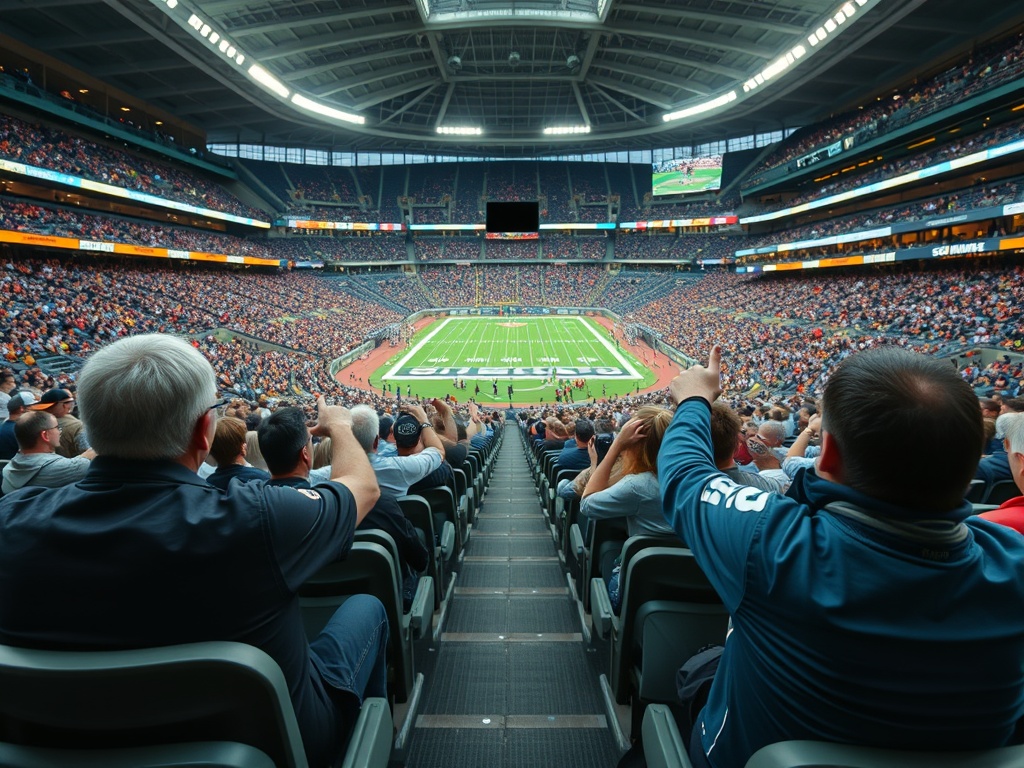
How Sports Marketing Campaigns Turn Fans Into Communities

Sports marketing campaigns turn fans into communities when they give people shared rituals, identity, participation, and reasons to return between games. The strongest campaigns do more than sell attention; they help fans feel part of something with other fans.
TL;DR: Key Takeaways
- Community grows from repeated interaction, not one viral post.
- Useful campaigns connect content, live experience, creators, merchandise, data, and fan feedback.
- The risk is treating fans as targets instead of participants.
For business context, recent fan-engagement research from Nielsen and Deloitte shows why community and media behavior are central to modern sports marketing.
From audience to community
An audience watches. A community interacts, remembers, argues, celebrates, and returns. Sports are naturally suited to community because schedules create rituals, teams create identity, and outcomes create shared emotion. Marketing becomes powerful when it respects that existing behavior instead of forcing a generic brand message into it.
Recent industry research from Nielsen and Deloitte highlights how sports fandom is shaped by media habits, social connection, streaming, women’s sports growth, and immersive experiences. The practical lesson for teams, leagues, sponsors, and creators is clear: fans do not only consume games. They build routines around highlights, group chats, fantasy contests, watch parties, stadium days, creator commentary, and behind-the-scenes content.
The moving parts of a fan-community campaign
A strong campaign usually has five parts. The story explains why fans should care now. The access point gives fans something to do, such as vote, share, attend, collect, predict, or create. The ritual repeats, so the campaign is not forgotten after one weekend. The reward gives fans recognition, belonging, information, or experience. The feedback loop shows that the organization is listening.
This is why live events matter. A campaign that sends fans to a stadium should consider the real fan journey: seat choice, entry, sightlines, accessibility, weather, and postgame movement. A practical resource such as stadium seating guide may seem operational, but operations shape whether a marketing promise feels real.
Why identity beats attention alone
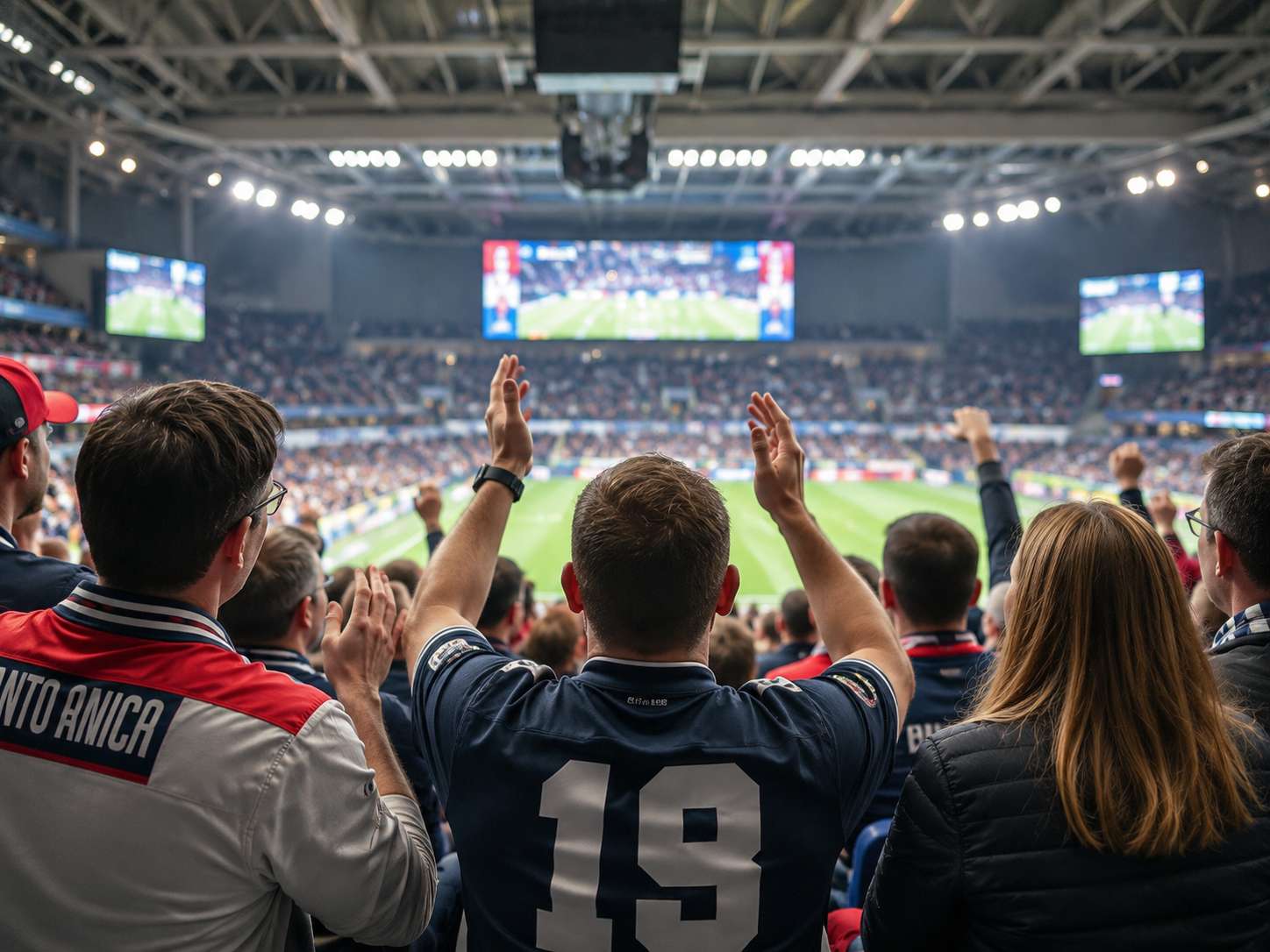
Attention is temporary. Identity lasts longer. A fan who sees a funny clip may enjoy it and move on. A fan who joins a tradition may return weekly. Identity can come from geography, playing style, underdog status, athlete personality, shared values, history, or a community cause. The campaign’s job is to make that identity easier to express without reducing it to a slogan.
Sponsors should be careful here. A sponsor that interrupts rituals can feel intrusive. A sponsor that supports the ritual can become useful. For example, a brand may support travel tips, youth clinics, watch-party tools, accessible fan experiences, or creator storytelling. The value is not simply logo exposure; it is a better fan moment.
| Campaign layer | Purpose | Good question |
|---|---|---|
| Story | Give fans a reason to care | Why now? |
| Participation | Turn watching into action | What can fans do? |
| Ritual | Make it repeatable | What returns every week? |
| Reward | Recognize belonging | What do fans gain? |
| Feedback | Build trust | How do fans know they were heard? |
Digital channels: where community gets maintained
Social platforms, newsletters, apps, podcasts, Discord servers, fantasy tools, and short-form video can all extend fandom between events. The challenge is consistency. Fans can tell when a channel is only pushing promotions. Community channels work better when they include useful context, timely conversation, fan voices, and clear moderation standards.
Esports and gaming communities make this especially visible. Communication tools can create belonging or chaos depending on norms. For a player-level version of that challenge, improving communication in squad-based games shows why structure, roles, and tone matter when groups coordinate under pressure.
Risks: when campaigns damage trust
Sports communities are emotionally invested, which means mistakes can travel quickly. Risks include exploiting tragedy, over-commercializing fan traditions, ignoring local culture, mishandling athlete identity, using data without transparency, or encouraging toxic rivalry. Fan passion is not a blank check. A campaign should ask what behavior it might reward and what community norm it might weaken.
Measurement can also mislead. Impressions and views matter, but they do not prove community health. Better indicators include repeat participation, sentiment quality, event attendance, retention, referrals, membership renewals, and whether fans create their own positive rituals around the campaign.
Practical next steps for marketers and creators
Start with fan behavior before creative ideas. What do fans already do before, during, and after games? Where do they gather? What language do they use? What do they complain about? What do they protect? Then design a campaign that makes one positive behavior easier to repeat. A small, repeatable ritual can outperform a large one-off activation.
Operations, content, sponsorship, ticketing, community management, and athlete relations should work together. A campaign about defensive identity, for instance, may connect film-room content, youth coaching clinics, player interviews, and tactical explainers such as press, zone, and hybrid defenses. The campaign feels stronger when each touchpoint supports the same story.
A campaign example without relying on hype
Consider a club trying to grow a younger fan base. A shallow campaign might post short clips and hope for shares. A community-building campaign would connect clips to a weekly fan challenge, invite local creators to interpret moments, provide a matchday meetup point, recognize thoughtful fan contributions, and use feedback to improve the next activation. The same content becomes more valuable because it sits inside a repeatable fan habit.
The campaign should also define what behavior it will not reward. If the goal is rivalry energy, moderation must still discourage harassment and discriminatory abuse. If the goal is behind-the-scenes access, athlete privacy must be respected. Community is strongest when fans know both the invitation and the boundaries.
Career angle: skills behind the campaign
For students or early-career professionals, community-centered sports marketing requires more than creativity. Useful skills include audience research, copywriting, partnership management, event operations, data interpretation, moderation, and basic rights awareness. The best marketers understand the game-day experience, the media feed, and the fan conversation as one connected system.
Do not confuse community with constant content
More content does not automatically create belonging. Fans may prefer one useful weekly ritual over ten disconnected posts. A community strategy should protect attention by giving fans clear reasons to return, clear ways to participate, and enough quiet space for anticipation to build before the next game or campaign beat.
Build belonging before asking for loyalty
Fans become a community when they recognize one another, share rituals, and feel the organization respects their role. Marketing can invite that process, but it cannot fake it for long.
For the next step, map one fan journey from discovery to repeat participation. Identify the ritual, the shared language, the useful reward, and the moderation plan before choosing channels or creative assets.