Embodied carbon basics for construction teams and clients

Embodied carbon is the greenhouse gas emissions associated with materials and construction processes across a building or infrastructure asset’s life cycle. For construction teams and clients, the practical value is knowing when design, procurement, reuse, and maintenance choices can reduce carbon without compromising code, safety, durability, or project function.
Carbon literacy brief
- Embodied carbon is different from operational energy use, although both affect climate impact.
- Early design decisions usually create the largest opportunity to reduce material-related emissions.
- Reuse, right-sizing, lower-carbon products, efficient construction methods, and longer service life can all matter.
- Product claims should be checked through credible documentation such as environmental product declarations where appropriate.
A plain-English definition
Embodied carbon covers emissions tied to extracting raw materials, transporting them, manufacturing products, delivering them to site, constructing the asset, maintaining or replacing components, and end-of-life processes. The exact boundary depends on the study or reporting framework. That is why teams should define scope before comparing options.
Operational carbon is different. It relates to energy used while the building operates, such as heating, cooling, lighting, and equipment. A project can have low operational energy but high embodied carbon, or the opposite. Good decisions look at both where project goals, regulations, and available data allow.
EPA’s Reduced Emissions in Construction Materials resources describe embodied carbon as emissions associated with the production stages of a product’s life and point to more consistent reporting. The DOE Embodied Carbon Reduction in New Construction reference guide is another helpful resource for teams comparing design and material strategies.
Why clients should care early
Embodied carbon decisions are easiest when the project is still flexible. Early choices about structural grid, building shape, parking, foundations, facade system, material quantities, spans, and reuse can affect the amount of concrete, steel, timber, insulation, glass, asphalt, and finishes required. Late substitutions can help, but they may be constrained by code, availability, warranty, performance, schedule, and cost.
For clients, the first question is not “which product is greenest?” It is “what does the project truly need to build, replace, or demolish?” Avoided material is often a powerful strategy when it does not reduce safety, durability, accessibility, or function. Reusing an existing structure, keeping a facade, refinishing rather than replacing, or extending asset life may reduce new material demand. That links embodied carbon with maintenance planning. A durable repair strategy and preventive maintenance that extends equipment life on site can support longer service life when repair is technically appropriate.
| Concept | Plain meaning | Construction decision it affects |
|---|---|---|
| Operational carbon | Emissions from energy used during operation | HVAC, controls, envelope, lighting, commissioning |
| Embodied carbon | Emissions from materials and construction processes | Structure, facade, concrete mixes, steel, finishes, procurement |
| Life-cycle thinking | Looking beyond first cost or first installation | Repair, replacement, reuse, maintenance, end-of-life planning |
| EPD | A standardized environmental product declaration | Product comparison where data quality and scope are understood |
The biggest levers for construction teams
Material quantity comes first. Efficient design can reduce excess material through optimized spans, coordinated openings, right-sized members, and fewer avoidable changes. Structural engineers and architects play a major role because foundations and structure often represent a large share of material mass. Civil teams also matter because grading, retaining walls, paving, storm structures, and utilities can involve significant material quantities. Early coordination with civil work, grading, and utilities on large sites can avoid unnecessary rework and overbuilding.
Product selection comes next. Lower-carbon concrete mixes, recycled-content steel, responsibly sourced timber, lower-carbon insulation, and product-specific EPDs may be relevant, depending on location and availability. These choices should be reviewed for structural performance, fire resistance, moisture behavior, durability, warranty, code acceptance, and constructability. Emerging materials should not be treated as proven best practice unless credible standards, testing, and project-specific approvals support them.
Construction process also matters. Rework, over-ordering, damaged materials, poor storage, inefficient temporary works, and unnecessary demolition all add waste. Good coordination, careful takeoffs, mockups, quality control, and clear submittals can reduce avoidable carbon and cost at the same time.
What an environmental product declaration can and cannot do
An EPD is a useful tool, but it is not a universal ranking label. It usually describes environmental impacts for a defined product, functional unit, and life-cycle boundary. Comparing two EPDs requires checking product category rules, geography, data age, scope, and performance equivalence. A lower number is meaningful only if the products are truly comparable and suitable for the same use.

Clients should ask teams to explain the comparison in plain English. What is being compared? What boundary is used? Does the product meet the specification? Are there durability or maintenance trade-offs? Does the supply chain fit the schedule? Are substitutions allowed by the design professional and authority having jurisdiction?
Balance carbon with durability and safety
Carbon reduction should not undermine building performance. A product that fails early may require replacement, repair, or operational penalties. A lighter assembly may not be appropriate for fire, moisture, acoustic, structural, or impact demands. A reused component may need testing or certification. A finish with a lower footprint may not withstand a high-traffic corridor.
This is where maintenance and design should talk to each other. If a coating, flashing, pump, roof membrane, or flooring system is hard to maintain, the project may create future replacements. If a durable option has higher upfront embodied carbon but much longer service life, the life-cycle comparison may be more nuanced. These decisions require project-specific analysis, not blanket claims.
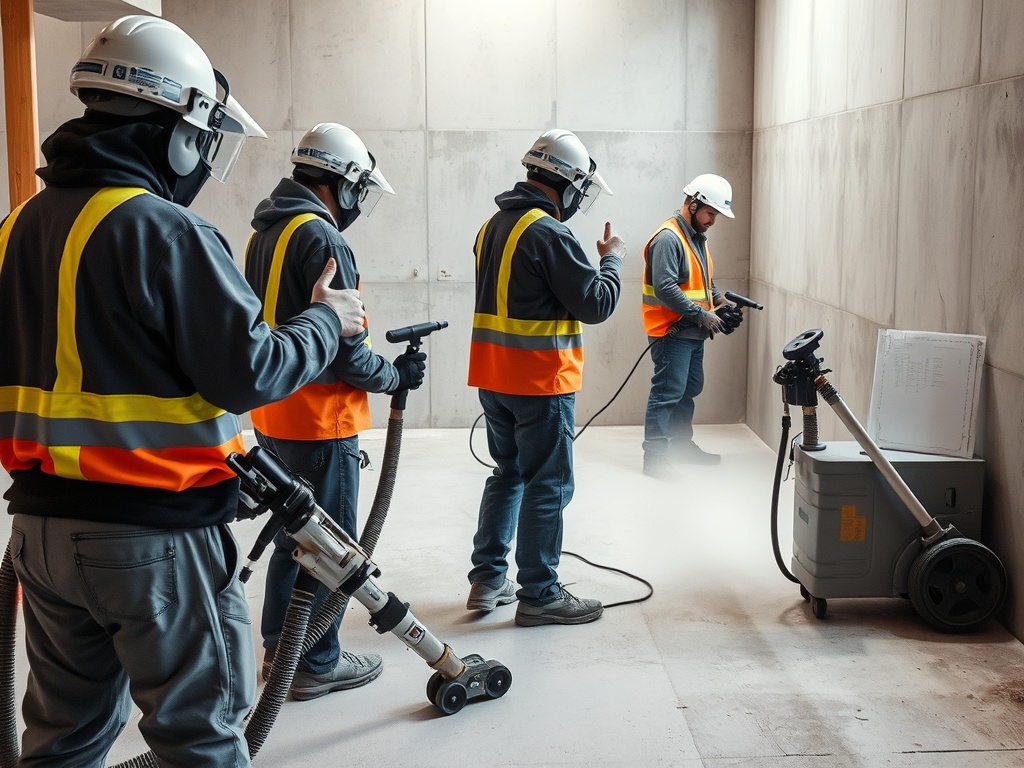
Safety and health controls remain non-negotiable. For example, cutting, grinding, or recycling mineral-based materials may introduce dust hazards. Teams considering reuse or demolition reduction should still manage worker exposure and follow the type of controls discussed in silica dust compliance on renovation jobs, where applicable.
A client-friendly workflow
Set project goals early. Decide whether the goal is basic awareness, material reporting, targeted reductions, procurement preferences, certification support, or formal life-cycle assessment. Assign responsibility for data collection. Ask the design team to identify high-impact material categories. Review reuse and right-sizing options before product swaps. Request EPDs where useful. Track substitutions. Document final choices and lessons learned.
For smaller projects, a simple checklist may be enough. For larger projects, use an LCA tool or consultant. In both cases, avoid unsupported marketing claims. Ask for documentation, boundaries, assumptions, and trade-offs.
Common misconceptions
Embodied carbon is not only a concern for landmark projects. It can apply to ordinary schools, apartments, warehouses, offices, healthcare spaces, roads, and renovations. It is not only about choosing wood over concrete or steel; it is about using the right amount of appropriate material for the job. It is not automatically more expensive, but it can be if decisions are rushed, data is poor, or substitutions happen late.
This article is educational and does not replace engineering, architectural, environmental, legal, procurement, or code advice. Carbon decisions should be reviewed by qualified professionals and aligned with safety, performance, durability, and jurisdictional requirements.
Project carbon conversation cue
At the first design or preconstruction meeting, ask which three material decisions are likely to drive the most embodied carbon and which of those can still change without creating unacceptable risk.