How to manage silica dust compliance on renovation jobs
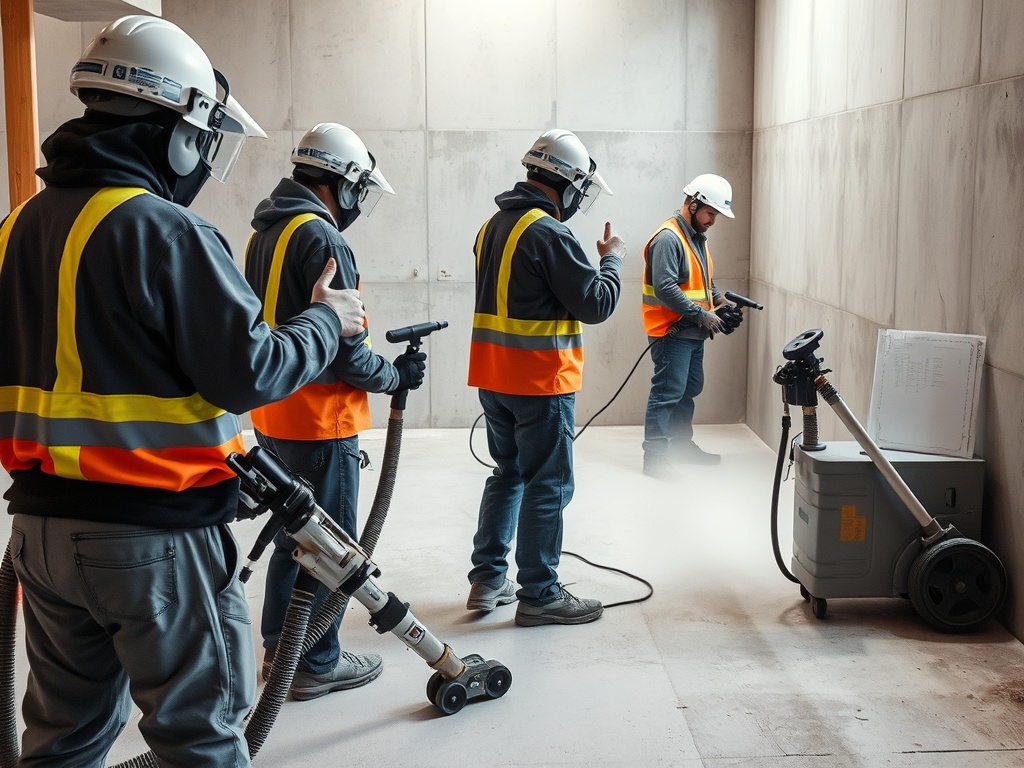
Silica dust compliance on renovation jobs means identifying tasks that can release respirable crystalline silica, choosing compliant controls, training workers, documenting the plan, and verifying that controls are used in the field. The goal is to reduce exposure, not just keep a paper file.
Renovation dust-control brief
- Identify silica-generating materials and tasks before work starts.
- Use OSHA’s construction standard and Table 1 or a valid exposure-assessment path as appropriate.
- Plan engineering controls, housekeeping, respiratory protection, training, and documentation together.
- Supervise the work because a compliant plan fails when vacuums, water delivery, or work practices are ignored.
Know where silica appears in renovation work
The narrow process is straightforward: find the dust-generating task, select the control method, train the crew, and document what was done. The field reality is messier. Renovation work changes from room to room, materials are sometimes unknown, and small tasks can be squeezed into tight schedules. Silica can be present in concrete, mortar, brick, block, stone, tile, grout, engineered stone, and some other mineral-based materials.
Tasks that may create respirable dust include cutting, grinding, drilling, jackhammering, chipping, crushing, milling, tuckpointing, polishing, and cleanup of settled dust. Silica risk can show up in a kitchen remodel, bathroom renovation, facade repair, slab trenching, tile removal, stair repair, or older-house layout change. That is why silica planning should happen before a project such as an open-concept remodel in an older house reaches demolition.
OSHA’s respirable crystalline silica construction standard is the primary U.S. regulatory reference for covered construction work. OSHA also publishes a silica construction fact sheet and a small entity compliance guide that help contractors understand control pathways and documentation expectations.
Choose the right compliance pathway
For many construction tasks, OSHA Table 1 provides specified exposure control methods. In plain terms, Table 1 links common tasks with engineering controls, work practices, and respiratory protection requirements. For tasks not covered by Table 1, or when controls differ from the table, employers generally need an exposure-assessment approach and controls that keep exposure within regulatory limits.
| Pathway | Best fit | What field leaders must verify |
|---|---|---|
| Table 1 method | Listed task with listed control used as required | Equipment, water flow, dust collection, respirator use, duration, and housekeeping match the table |
| Exposure assessment | Non-listed task, alternate control, unusual conditions | Objective data or monitoring supports the control plan and is documented |
| Competent supervision | Any renovation job with silica risk | Crews understand the plan and controls are actually used |
| Change review | Scope, material, location, or tool changes | New tasks are evaluated before work continues |
Build the exposure control plan around real tasks
A written exposure control plan should not be a generic binder. It should list tasks, materials, control methods, restricted areas if needed, housekeeping methods, respiratory protection requirements, training expectations, and the person responsible for implementation. It should also account for occupied spaces, adjacent tenants, shared corridors, HVAC returns, elevators, and waste routes.
Engineering controls are the first line of defense. These may include wet methods, shrouds, local exhaust, vacuum dust collection with suitable filters, tool-specific attachments, and isolation. Work practices matter just as much. Crews need to use the right blade, keep water flowing when required, maintain contact between the shroud and surface, empty vacuums safely, and avoid dry sweeping or compressed air where prohibited or inappropriate.
Respiratory protection should not be used as a shortcut around poor controls. When respirators are required, the employer must manage selection, fit testing, medical evaluation, training, use, storage, and maintenance under the applicable respiratory protection requirements. Renovation supervisors should coordinate this before the crew reaches the site.
Control dust beyond the immediate cut
Silica compliance is not finished when the tool stops. Dust can settle on floors, ledges, ductwork, equipment, clothing, and waste. Cleanup methods should prevent re-suspension. That usually means using appropriate vacuums and wet methods rather than dry sweeping. Waste handling should keep dust contained during transport.

Occupied renovation adds another layer. Dust migration into tenant areas, apartments, clinics, classrooms, offices, or retail spaces can create complaints and health concerns. Barriers, negative air where appropriate, sealed returns, controlled access, and clean routes should be planned. For larger facilities, renovation dust control belongs in the same coordination mindset used for commercial water heater replacement planning when outages, access, and occupant communication affect daily operations.
Train supervisors to catch drift
Many silica failures happen because the job drifts from the plan. A crew switches tools, the vacuum filter clogs, water supply is inconvenient, a small cut is treated as too minor for controls, or a subcontractor starts a task without being briefed. Supervisors should watch for visible dust, missing attachments, damaged hoses, poor housekeeping, unmarked work zones, and tasks that were not in the pre-task plan.
Daily huddles should include the material, task, control method, respiratory requirement if any, cleanup method, and stop-work trigger. If the crew encounters unknown material or changes the task, pause and reassess. For multi-employer sites, the general contractor should coordinate responsibilities and communication, while each employer remains responsible for its workers and obligations.
Document what matters
Good documentation is specific. Keep the written exposure control plan, task list, control methods, training records, respirator records if applicable, equipment inspections, filter or vacuum maintenance, exposure data if used, and corrective actions. Photos can be helpful if they show controls in place, but they should not replace required records.
Documentation also supports future planning. If a renovation repeatedly involves concrete cutting, tile demolition, or masonry grinding, the company should standardize tool-control kits, vacuum maintenance, pre-task forms, and supervisor checks. That reduces improvisation. It also supports cleaner project choices, including material selection and reuse discussions connected to embodied carbon basics for construction teams and clients.
Field checklist for silica-ready renovation
Before work begins, identify materials and silica-generating tasks. Match each task to Table 1 or an exposure-assessment path. Confirm tools, shrouds, water supply, vacuums, filters, power, respiratory protection, training, and cleanup supplies. Protect occupants and adjacent spaces. Brief the crew. Monitor controls during the task. Stop work if visible dust or task changes suggest the plan is not working. Close out with cleanup, waste handling, and documentation. Keep lessons learned with the project file so future estimates include the right tools, containment, and supervision time.
This article is informational and does not replace OSHA compliance advice, industrial hygiene, legal guidance, or project-specific safety planning. Employers should consult qualified safety professionals and the applicable regulations for the jurisdiction and task.
Dust-control readiness cue
Before demolition starts, ask one practical question: can the crew point to the exact control method for every silica-generating task on tomorrow’s schedule? If not, the plan is not field-ready.