VIP vs General Admission vs Seated Tickets: What You Actually Get
VIP, general admission, and seated tickets are not just price tiers. They shape your view, comfort, arrival strategy, crowd experience, and risk of disappointment.
The Ticket-Type Reality Check
General admission buys access, not a guaranteed spot. Seated tickets buy a specific location, though views can still vary. VIP usually adds perks, but those perks differ by event and may not include the best view, artist access, or every upgrade a fan imagines.
Start With What the Ticket Guarantees
The most important question is simple: what is guaranteed in writing? General admission usually means you can enter a shared area and choose a place based on arrival time, crowd flow, and venue rules. Seated tickets assign a seat or section. VIP is a package, not a universal standard.
Ticketmaster’s VIP guide shows how VIP can involve hospitality, lounges, premium facilities, or special access, depending on the event. Ticketmaster Canada’s VIP package explanation also notes that packages include a reserved or general admission ticket plus show-specific elements. That distinction matters: VIP can still be standing, and a VIP upgrade may not change where you watch.
If you are comparing tickets for a museum performance, fan event, or arts festival, the museum article on membership versus single-day tickets uses a similar benefit-versus-usage framework.
Compare the Main Ticket Types
| Ticket Type | What You Usually Get | Best For | Watch Out For |
|---|---|---|---|
| General admission | Entry to a shared standing or open area | Flexible fans, lower budgets, energetic crowds | Early arrival may matter a lot |
| Reserved seated | A specific seat or section | Comfort, predictable view, groups | Fees and obstructed views |
| VIP standing | GA access plus perks | Fans who value entry, lounge, merch, or proximity chances | Perks vary and may not guarantee front row |
| VIP seated | Premium seat plus extras | Comfort and bundled benefits | High cost and fine-print exclusions |
The right choice depends on your body, schedule, budget, and reason for going. A tall fan who loves crowd energy may prefer GA. A shorter fan, parent, or person with pain or fatigue may enjoy seated tickets more. A collector may value VIP merch, while another person may see it as clutter.
General Admission: Freedom With Uncertainty
General admission can be fun because the crowd becomes part of the event. It can also be tiring. Your final position may depend on arrival time, security flow, restroom breaks, and how the crowd moves. If you leave your spot, you may not get it back.
Choose GA when you are comfortable standing, waiting, and adapting. Bring only what venue rules allow. Eat before arriving if lines will be long. Wear shoes you can stand in for hours. If you are attending your first large fan event, the checklist for attending your first gaming convention is useful because crowd planning, hydration, and bag rules work the same way.
Seated Tickets: Predictability With Location Trade-Offs
Reserved seats reduce uncertainty. You know where you are watching from, can arrive closer to showtime, and can usually leave for concessions or restrooms without losing your place. This is often the best option for groups who want to stay together.

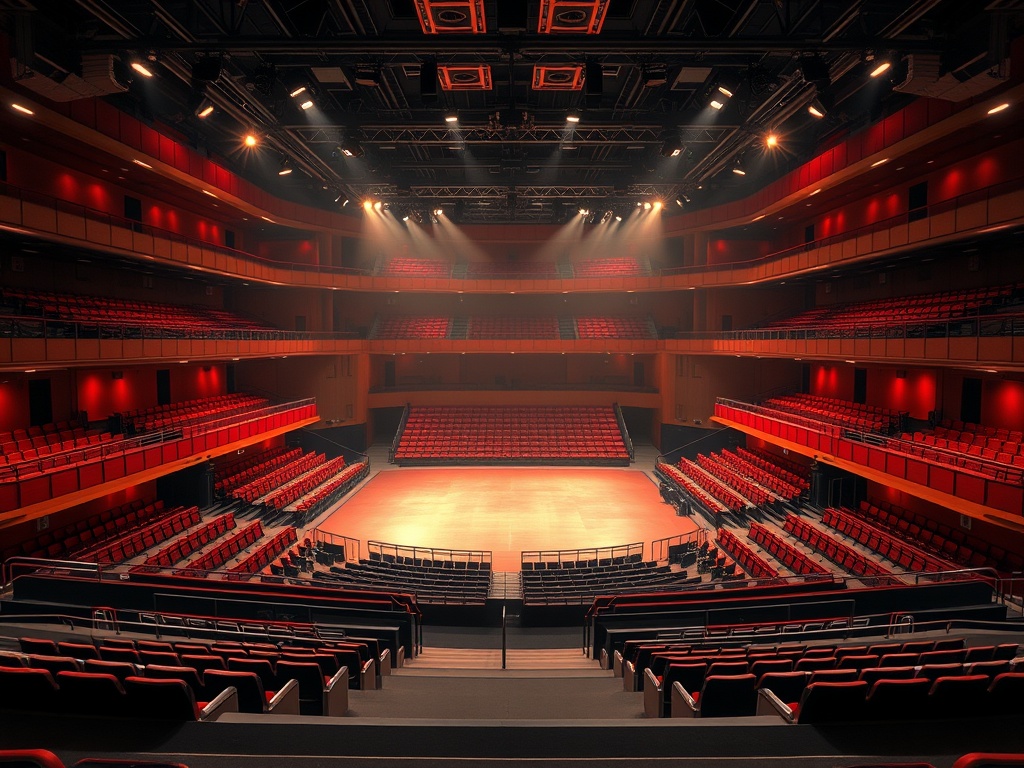
But seating charts can mislead. A seat may look close on a flat map but feel far due to height, angle, sound mix, railings, speakers, or screens. Check venue view tools when available, but remember that production layouts can change. For theater, dance, comedy, and orchestral events, the “best” seat may not be closest. Center sightlines and sound balance may matter more.
View and Sound Are Separate Questions
A close view is not always the best overall experience. At concerts, being near the stage can mean seeing facial expressions but hearing a mix shaped for the room rather than the front rail. At comedy or theater events, a centered seat farther back may offer better timing, staging, and comfort. At festivals, a side angle may be easier for exits and restrooms but weaker for screens.
Before paying extra, decide whether you care most about proximity, sound, comfort, photos, crowd energy, or an easy exit. Different goals point to different ticket types.
VIP: Pay for Specific Benefits, Not a Fantasy
VIP can be worth it when the package solves a real problem: shorter entry, a seat you could not otherwise access, a calmer lounge, included parking, or a commemorative item you genuinely want. It is less satisfying when you buy it hoping for vague status.
Read every included item. Is the ticket itself included, or is it an add-on? Is the meet-and-greet guaranteed? Are photos individual or group? Is merchandise shipped later? Is early entry before or after another tier? Are fees refundable if the performer cancels a perk but the event continues?
Accessibility and Comfort Should Come Early
Do not treat accessibility as an afterthought. If you need accessible seating, companion seating, interpreter services, sensory accommodations, step-free routes, or medical bag approval, contact the venue early. Ticket type can affect not only view, but bathroom access, rest opportunities, crowd density, and exit time.
Comfort also includes emotional comfort. If a fandom personality is part of the event, remember that paid access is still structured access. The explainer on parasocial relationships can help keep expectations respectful and realistic.
Red Flags Before You Buy
Be cautious if the listing uses vague phrases like “premium experience” without details, hides the seat until after purchase, separates ticket and VIP upgrade in confusing ways, or fails to explain age restrictions. Check transfer rules, refund policies, delivery timing, and whether the ticket is official resale or third-party resale.
Also beware of paying more only because cheaper tiers feel less impressive. The best ticket is the one that fits your actual night.
Choose the Ticket That Fits the Night
Choose general admission for energy, flexibility, and lower cost if you can handle standing and uncertainty. Choose seated tickets for predictability, comfort, and group coordination. Choose VIP only when the listed perks solve a specific problem or create a benefit you truly value. Before checkout, read the fine print out loud. If you cannot explain what you are getting, do not pay the upgrade price.