How preventive maintenance extends equipment life on site
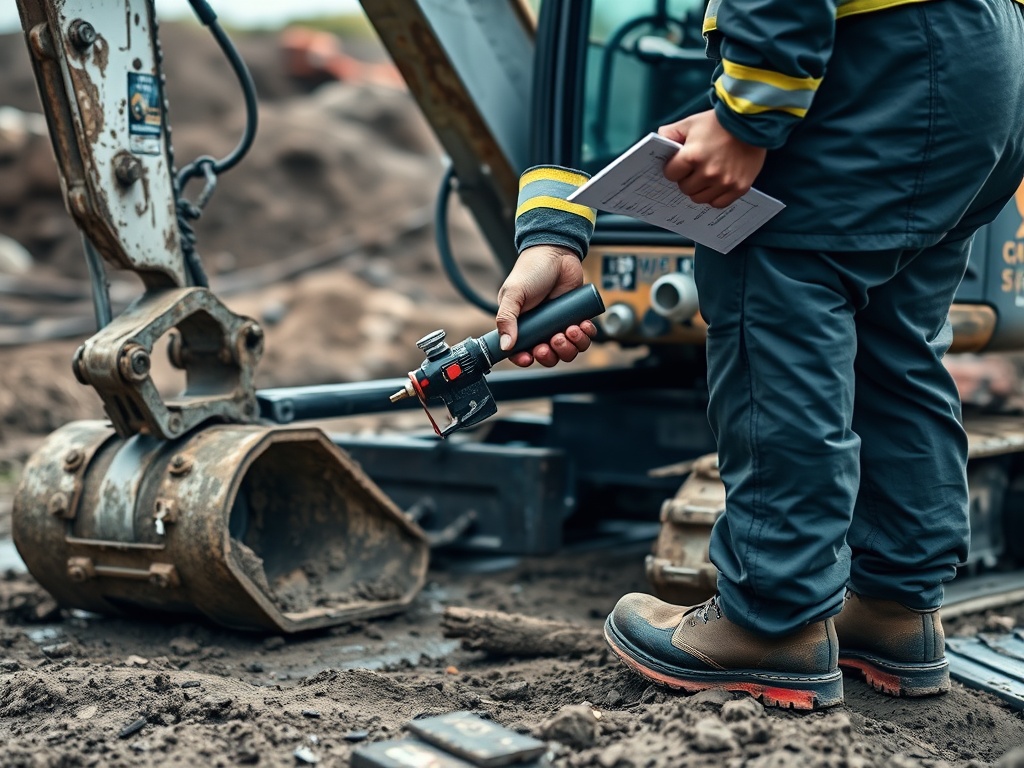
Preventive maintenance can extend equipment life on site by finding wear, contamination, leaks, misalignment, lubrication problems, and safety defects before they become failures. It does not guarantee longer service life, but it gives equipment a better chance to operate safely, reliably, and within manufacturer and project expectations.
Jobsite equipment care brief
- Build maintenance around equipment type, duty cycle, environment, and manufacturer requirements.
- Combine daily operator checks, scheduled service, inspections, fluid management, repairs, and records.
- Treat safety-critical defects as stop-use issues, not future reminders.
- Use maintenance history to decide when to repair, rebuild, replace, or change operating practices.
Why jobsite equipment wears out faster than expected
Construction equipment works in dust, mud, vibration, weather, uneven ground, heavy loads, long idle periods, and changing operators. Even well-built machines can suffer when filters clog, fluids degrade, pins and bushings run dry, tracks are misadjusted, tires are damaged, hydraulic hoses abrade, cooling packages plug with debris, or safety devices are ignored.
Preventive maintenance is the planned work that reduces those risks. It includes inspections, cleaning, lubrication, fluid checks, filter changes, torque checks, adjustments, software or control checks, safety-device verification, and timely repair of small defects. Corrective maintenance fixes known problems. Predictive or condition-based maintenance uses readings such as oil analysis, vibration, temperature, pressure, telematics, or fault codes to act before failure.
This topic matters for contractors, rental fleets, facilities teams, and owners with site equipment. The same discipline used in building systems, such as commercial water heater replacement planning, applies to machines: know the asset, track condition, plan access, and avoid being forced into emergency decisions.
Match tasks to equipment and duty cycle
A skid steer, tower crane, compact excavator, generator, compressor, telehandler, concrete saw, pump, aerial lift, and site truck do not need identical maintenance. The right schedule depends on manufacturer instructions, hours, loads, attachments, site conditions, operator skill, regulatory requirements, and safety risk. A lightly used generator in a clean environment is different from a loader working daily in demolition debris.
| Maintenance layer | Examples | Why it matters |
|---|---|---|
| Daily operator checks | Fluids, tires or tracks, leaks, guards, alarms, brakes, attachments | Catches obvious defects before operation |
| Scheduled service | Filters, lubrication, fluids, belts, adjustments, inspections | Keeps routine wear from becoming failure |
| Condition monitoring | Oil analysis, fault codes, temperature, vibration, telematics | Identifies trends that may justify planned repair |
| Safety inspections | Lifting equipment, controls, emergency stops, alarms, structural parts | Protects workers and supports compliance |
| Lifecycle review | Repair history, downtime, parts availability, operating cost, suitability | Guides repair, rebuild, replacement, or redeployment |
Operator checks are the first defense
The operator is often the first person who can notice a new leak, noise, vibration, warning light, loose pin, damaged hose, cracked weld, worn tire, blocked radiator, or control issue. Daily checks should be short enough to complete but specific enough to matter. A checklist that is always marked “okay” without inspection is not maintenance.
Supervisors should make it easy to report defects. If operators believe reports will be ignored or blamed on them, they may keep using damaged equipment. A stop-use tag should be respected when a defect affects safe operation. For cranes and derricks, OSHA’s inspection requirements provide specific rules for covered equipment, including inspections after certain modifications or repairs that affect safe operation.
Maintenance work has its own hazards
Maintenance is not risk-free. Mechanics may work around stored energy, elevated components, hot surfaces, pressurized hydraulics, rotating parts, batteries, fuels, suspended loads, and traffic. Lockout, blocking, cribbing, depressurizing, ventilation, fire prevention, and proper access are essential. The UK HSE guidance on maintenance of work equipment explains that maintenance can involve non-routine activities and expose people to a range of risks.
The NIOSH and CPWR equipment maintenance toolbox talk is useful for field conversations because it focuses on practical hazards and reminders. Crews should not improvise under raised buckets, suspended attachments, or pressurized systems. Good maintenance protects both the machine and the people doing the work.

Records turn maintenance into decisions
Records should show asset ID, hours or mileage, location, operator reports, inspections, services performed, parts used, defects found, repairs completed, downtime, warranty information, and recurring issues. Without records, teams rely on memory. That leads to missed service, duplicated work, unplanned downtime, and weak replacement decisions.
Maintenance history can also reveal operating problems. Repeated tire damage may point to site debris or haul-route conditions. Frequent overheating may point to poor cleaning, overloading, or blocked airflow. Repeated attachment failures may suggest mismatch between attachment and task. If work conditions include heavy dust from concrete or masonry, maintenance planning should connect with silica dust compliance on renovation jobs because dust controls and equipment care often overlap.
Keep fluids, filters, and lubrication boring
Many equipment failures begin with basic neglect. Dirty oil, contaminated fuel, clogged air filters, low coolant, water in hydraulic fluid, missed grease points, and poor storage can shorten component life. Basic does not mean optional. The program should specify who checks fluid levels, who samples fluids if used, who cleans radiators, who greases attachments, who changes filters, and who confirms the correct products are used.
Attachments deserve their own attention. Buckets, breakers, augers, forks, blades, compactors, and sweepers add loads and wear points. If attachments are shared between machines, track pins, bushings, couplers, hydraulic connections, and compatibility. A poorly maintained attachment can damage the carrier or create safety hazards.
Plan repairs instead of chasing breakdowns
Preventive maintenance is most valuable when it creates planned repairs. If an inspection finds a worn hose, leaking cylinder, weak battery, worn brake component, cracked guard, or damaged tire, the team should schedule action before the equipment fails in the middle of production. That requires parts availability, mechanic time, backup equipment, and communication with project managers.
A useful program also knows when to stop spending. If an asset has rising downtime, obsolete parts, safety concerns, or poor fit for the current work, replacement or redeployment may be more reasonable than repeated repair. For owners thinking about sustainability, maintenance and useful life also connect to embodied carbon basics because extending service life can avoid unnecessary new production when the equipment remains safe and efficient enough for the job.
Jobsite preventive maintenance checklist
Create an equipment register. Assign each asset an owner. Set daily, weekly, monthly, and hour-based tasks. Train operators on checks and reporting. Keep service supplies available. Protect equipment from weather and debris where practical. Inspect safety-critical systems. Document all work. Review recurring defects. Remove unsafe equipment from service. Use data to plan repairs, replacements, and operator coaching.
This article is educational only and does not replace manufacturer instructions, OSHA or local safety requirements, engineering review, legal advice, or qualified mechanic judgment. Equipment should be maintained and inspected according to applicable rules and competent professional guidance.
Equipment-life planning cue
At the next jobsite meeting, review the top five machines by downtime risk and confirm that each has a current service record, defect log, operator check process, and planned backup strategy.