The Beginner’s Checklist for Shooting Your First Live Event
Your first live event shoot goes better when you treat it as a small production, not a casual photo walk. The core job is to know the run of show, protect your files, respect the audience, and leave with a usable mix of wide, medium, tight, candid, and detail images.
Fast Take for First-Time Event Shooters
Plan the story before you pack the camera. Confirm access, lighting limits, delivery expectations, and file backup steps before the event starts. A beginner can shoot a small recital, panel, gallery opening, or local performance successfully, but fast-moving concerts, credentialed media pits, and high-pressure brand events may need a second shooter or an experienced lead.
Confirm the Assignment Before You Think About Gear
Start with the purpose of the images. A theater group may need promotional stills, a venue may need room atmosphere, and a performer may need expressive close-ups. Those are three different shot lists. Ask who will use the photos, where they will appear, how quickly they are needed, and whether vertical images are required for social posts.
Get the schedule in writing. Even an informal event has important moments: doors open, the host welcome, a featured performance, awards, audience reactions, and closing photos. If you are attending as a fan rather than a hired photographer, check the event’s photography policy first. Some venues allow phones but restrict interchangeable-lens cameras, flash, tripods, or recording.
Ethics matter as much as sharpness. The National Press Photographers Association code of ethics is written for visual journalists, but beginners can still borrow its principles: be accurate, avoid misleading staging, and show context. For arts events, that means not representing a rehearsal as a final performance unless the caption makes that clear.
A related planning skill is understanding ticket type and viewing angle. If you are shooting from the crowd, the difference between a standing floor, seated balcony, and premium area can change your lens choices, so the guide to VIP, general admission, and seated tickets is useful before you buy your own access.
Build a Shot List That Matches the Event Story
A shot list keeps you from returning with 300 versions of the same pose. Use categories rather than exact frames:
- Establishing images of the venue, stage, entrance, or audience flow
- Key people: performers, speakers, organizers, guests, vendors, or crew
- Action: applause, movement, transitions, demonstrations, or reveals
- Details: instruments, programs, props, costumes, lighting, hands, and signage without readable private information
- Reaction shots that show the audience experience
- A clean closing frame that can work as a thumbnail or article header
For a beginner, the strongest safety move is to shoot pairs: one wider frame for context and one tighter frame for emotion. If the event is a book launch, this logic also applies to literary gatherings. A reader planning cultural outings may enjoy the checklist for joining a book club you will actually enjoy, because it uses a similar fit-first approach before committing time.
Pack for Low Light, Long Hours, and File Safety
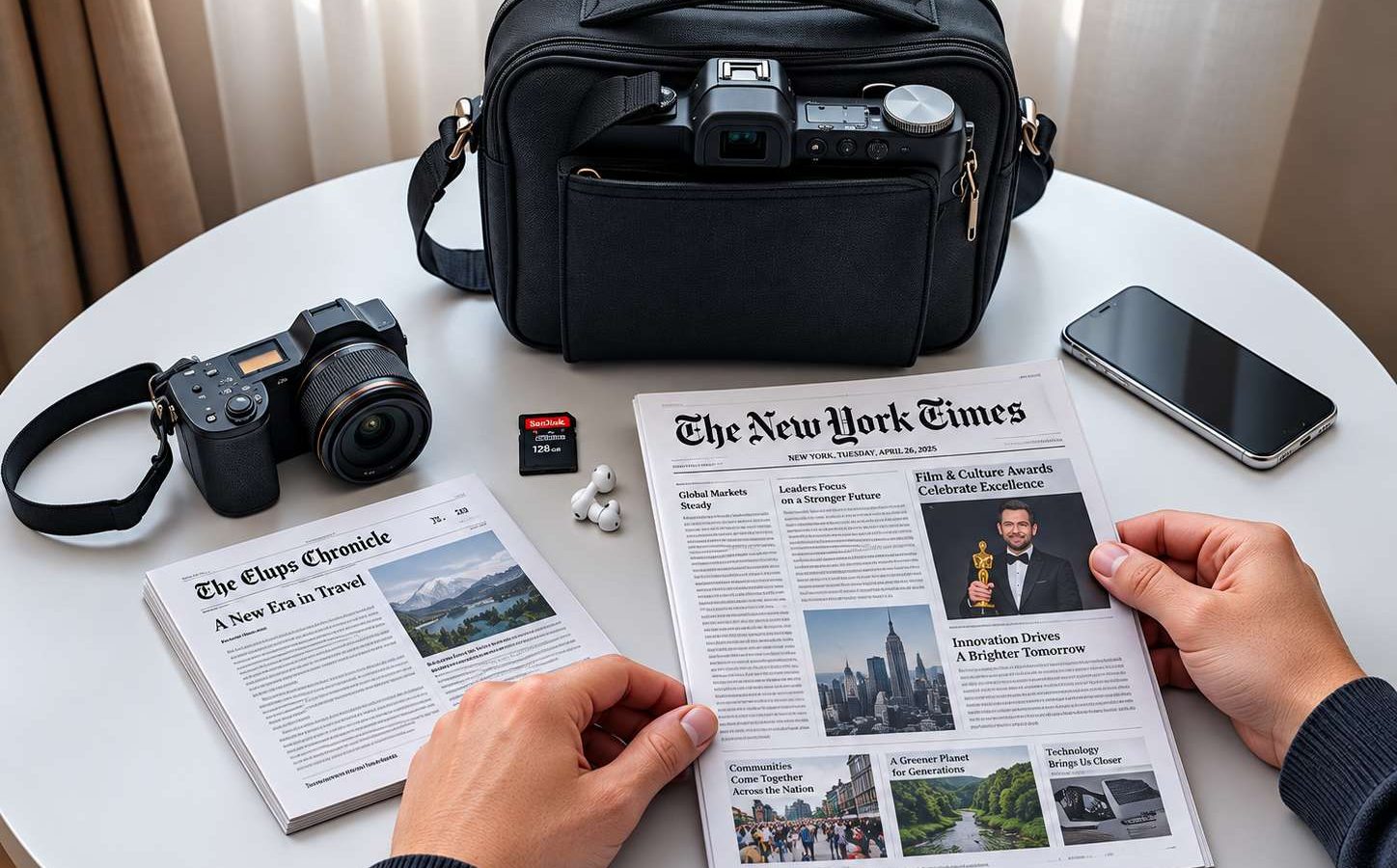
The essential kit is simple: camera, main lens, backup battery, empty memory cards, lens cloth, comfortable strap, and ear protection if music volume is high. A fast zoom or prime lens helps indoors, but the real upgrade is reliability. Charge everything the night before. Format cards in-camera after backups, not during the event. Bring more storage than you think you need.

If you own two camera bodies, set them up consistently. If you own one, set a practical limit on lens changes so you do not miss the decisive moment. Beginners often overpack, then spend the event managing gear instead of reading the room. Keep your kit light enough that you can move safely without bumping guests, art displays, or performers.
For file protection, use a simple rule: cards do not get reused until files exist in two places. After the event, copy to a computer and an external drive or cloud backup. If you plan to sell or publish images, review the U.S. Copyright Office photography registration resources so you understand the difference between creating a photograph, licensing it, and registering it.
Set Camera Defaults Before the First Moment
Live events do not wait while you dig through menus. Before doors open, set time and date, file format, white balance strategy, autofocus mode, silent shutter if appropriate, and a minimum shutter speed. In low light, a slightly noisy sharp image is usually more useful than a clean blurry one.
A practical beginner starting point is aperture priority or manual exposure with auto ISO, depending on your comfort. Use continuous autofocus for moving performers and single-point or zone autofocus when faces are partially blocked. Test exposure on the brightest part of the stage, not an empty dark corner. If the lights are changing quickly, check highlights often so faces and costumes do not clip.
Flash should be treated as permission-based. It can distract performers, flatten stage lighting, and annoy the audience. If the organizer did not approve it, do not use it.
Work the Room Without Becoming the Event
Good event photography is visible enough to capture moments and invisible enough not to disturb them. Move during applause, transitions, or naturally noisy moments. Avoid standing in front of paying attendees. Do not block aisles, emergency routes, or accessibility spaces. If you need a posed photo, ask quickly and clearly, then release people back to the event.
For performances, anticipate rhythm. Singers lean into a chorus, speakers pause after key lines, dancers repeat shapes, and audiences react after surprises. You are not just pressing the shutter. You are learning the pattern of the room.
Control Quality Before You Deliver
Do not send every frame. Cull for sharpness, expression, story variety, and duplicates. A small polished gallery is better than a bloated folder. Use consistent color treatment, but avoid edits that misrepresent lighting, costume color, or the event atmosphere. If the work is editorial, keep retouching conservative.
Name folders clearly: date, event, client or organizer, and delivery version. Export web-ready files separately from print-ready files. When you share a gallery, explain usage rights in plain language. “You may post these with credit” is not the same as “You may use these for paid ads.”
Must-Not-Miss Live Event Checklist
Before the event, confirm permission, location, schedule, shot priorities, delivery deadline, lighting limits, and backup plan. Pack charged batteries, clean cards, lens cloth, ear protection, and comfortable shoes. At the venue, test exposure, identify safe movement paths, photograph the scene early, capture key people, vary composition, and protect audience experience. After the event, back up files twice, cull tightly, edit consistently, export correctly, and deliver with clear usage notes.
Your Last Gear Check Before the Lights Go Down
If you know where you can stand, what moments matter, how you will protect your files, and what the client or organizer expects, you are already working like a more careful photographer. Start with a small event, review what you missed, and build a repeatable checklist before accepting a higher-pressure assignment.