What Is Compositing and Why Is It So Central to VFX Pipelines?
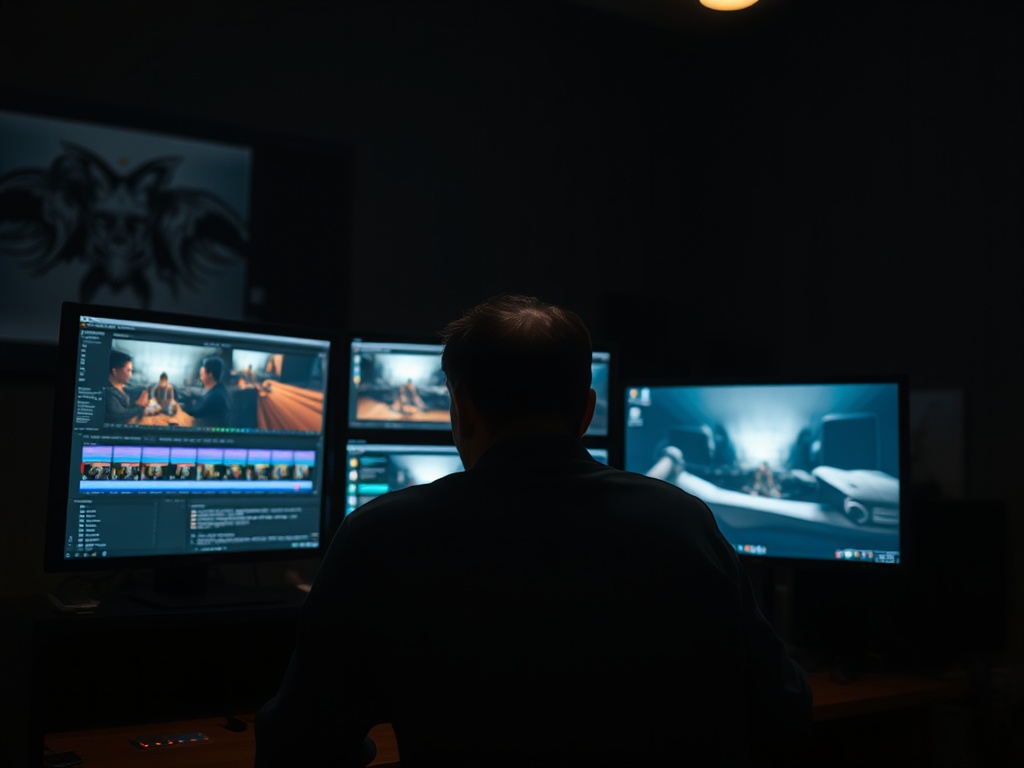
Compositing is the process of combining separate visual elements into a final image or shot that looks coherent. In VFX, it is central because live-action plates, computer-generated elements, matte paintings, green-screen footage, simulations, and color adjustments all have to meet in one believable frame.
The Plain-English VFX Meaning
Think of compositing as the final assembly room for a visual-effects shot. It does not replace animation, lighting, tracking, or editing. It makes those pieces sit together so the viewer accepts them as one image.
Where You Encounter Compositing
You encounter compositing in superhero films, fantasy series, music videos, commercials, game trailers, museum interactives, virtual production, and even modest YouTube effects. A simple shot might combine a person filmed against a green screen with a digital background. A complex shot might include filmed actors, a 3D creature, smoke simulation, sky replacement, digital set extension, reflections, and color treatment.
The Blender compositing manual describes compositing tools as a way to assemble and enhance images or movies through nodes. That node-based idea is common across professional tools: each node performs a task, such as keying, blurring, color correction, masking, merging, or transforming an element.
Why Compositing Sits Near the End of the Pipeline
A VFX pipeline usually moves from planning to shooting, ingest, matchmove, layout, modeling, rigging, animation, effects simulation, lighting, rendering, compositing, review, and delivery. The order can vary, but compositing often sits late because it depends on inputs from many departments.
That position makes compositing powerful and risky. It can polish a shot, hide small seams, and unify the image. It can also expose weak planning. If the live-action plate has no tracking markers, the green screen is uneven, or the lighting direction does not match the CG, the compositor may spend extra time solving problems that should have been prevented earlier.

If you are choosing an arts or media path and feel unsure where your creativity fits, the guide to choosing an arts path when creativity feels vague can help you compare technical, visual, and storytelling roles before committing to software training.
What a Compositor Actually Adjusts
A compositor may work on technical integration, artistic polish, or both. Common tasks include:
- Keying a subject from green or blue screen
- Rotoscoping masks around moving shapes
- Matching color, contrast, grain, and lens softness
- Adding shadows, reflections, glow, smoke, atmosphere, or depth cues
- Removing rigs, wires, tracking markers, or unwanted objects
- Combining render passes such as diffuse, specular, shadow, and ambient occlusion
- Creating final review versions for supervisors and clients
The goal is not always to make an image look “perfect.” It is to make the shot match the story, the camera, and the surrounding sequence. A gritty concert scene, glossy commercial, and stylized animation will need different compositing choices.
Compositing Compared With Similar Terms
| Term | What It Means | How It Relates to Compositing |
|---|---|---|
| Editing | Arranging shots in sequence | Compositing finishes individual shots before or during editorial review |
| Color grading | Shaping the final look across scenes | Compositing may color-match elements inside a shot before grading |
| Motion graphics | Designing animated graphic elements | Those elements may be composited over footage |
| 3D rendering | Generating computer-made images | Rendered elements often arrive as layers for compositing |
| Rotoscoping | Drawing animated masks | Roto is a technique frequently used by compositors |
The Blender VFX feature overview shows how tracking, masking, and compositing can sit in the same broader visual-effects workflow. Beginners sometimes confuse the tool category with the job. A compositor may use tracking and masks, but compositing is the shot-integration discipline.
Why It Matters for Real Creative Decisions
Compositing affects budget, schedule, and visual credibility. If a director wants an actor in a storm, the production must decide what to capture practically and what to add later. Rain, wind, reflections, wet clothing, and background depth all influence compositing difficulty. Planning those pieces early saves money.
It also affects audience trust. Viewers may not know what a bad key or mismatched grain is, but they can sense that an image feels pasted together. The compositor’s work often disappears when it succeeds. That invisibility is part of the craft.
What Makes a Composite Believable
Believability usually comes from small matches rather than one dramatic trick. The black levels should sit in the same range. Grain should feel consistent. Edges should not look too sharp for the lens. Shadows need direction and softness that fit the plate. Atmospheric haze, motion blur, and depth of field often do more for realism than adding another flashy effect.
A compositor also watches continuity. If a digital sign glows in one shot but not the next, or a creature casts a shadow in one angle and not another, the audience may not name the problem but will feel the break. This is why review sessions often compare shots side by side rather than judging each frame alone.
What Beginners Should Learn First
A beginner does not need to master every plugin. Start with image fundamentals: alpha channels, masks, color matching, contrast, lens blur, grain, perspective, and light direction. Then practice on simple shots. Put a still object into a background. Replace a sky. Remove a small object. Key a subject from a clean background. Compare your result against real reference images.
If you photograph or film live events, understanding compositing can also improve how you capture plates and backgrounds. The checklist for shooting your first live event reinforces preparation, which is just as important in VFX acquisition as it is in event coverage.
Where Compositing Fits in the VFX Chain
Compositing is central because it connects everyone’s work to the final frame. It rewards technical patience, a strong eye, and respect for earlier departments. For beginners, the best way in is not to chase the most dramatic effect. It is to make a simple composite look ordinary, consistent, and believable. That is harder than it sounds, and it is the heart of the job.