Membership vs Single-Day Tickets: Which Museum Visit Strategy Saves More?
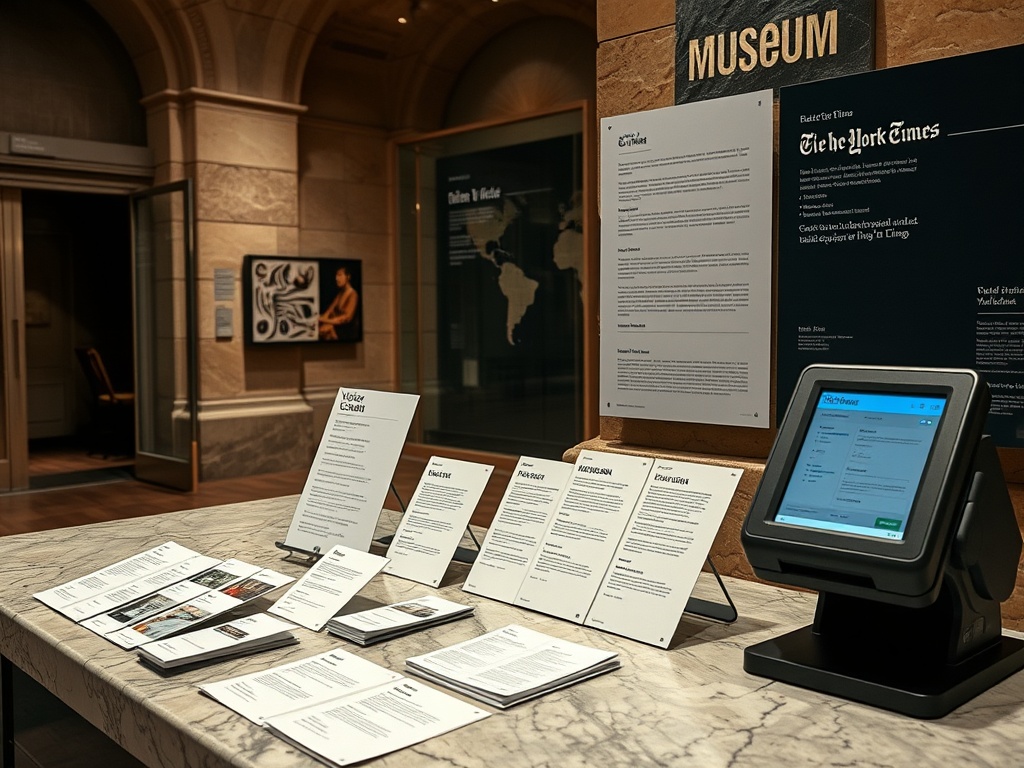
Museum membership usually saves more only if you visit often enough, use guest benefits, or take advantage of reciprocal programs. Single-day tickets are better when you visit rarely, travel unpredictably, or only want one special exhibition.
The Museum Cost Snapshot
Do the break-even math before buying a membership: annual membership price divided by the single-visit cost for your usual group. Then adjust for guest passes, discounts, special exhibition fees, parking, reciprocal admission, and how often you realistically return.
What You Are Really Comparing
A single-day ticket buys one visit under the rules for that date, exhibition, and visitor category. A membership buys a bundle of access and benefits for a fixed period, usually one year. The savings question is not “Which is cheaper today?” It is “Which option matches my actual museum habits?”
Families, local art lovers, and people who return for rotating exhibitions often benefit from membership. Travelers, first-time visitors, and people attending one blockbuster show may be better off with single-day tickets. For broader live-event decisions, the same logic applies to seating and access tiers, which is why the guide to VIP, general admission, and seated tickets is a useful companion.
Calculate the Break-Even Point
Use a simple formula:
Membership price ÷ single-visit cost for your group = visits needed to break even.
If an individual membership costs $90 and a single adult ticket costs $25, the membership breaks even on the fourth visit. If a family membership costs $160 and each family visit would cost $70, it breaks even on the third visit. But do not stop there. If special exhibitions still cost extra, the break-even point moves. If parking is discounted, guest passes are included, or children are free, the math changes again.
Membership pages are sometimes written for museum supporters rather than budget-focused visitors. The American Alliance of Museums membership resources show how membership can connect people to institutions, but individual museum benefits vary widely. Always read the specific museum’s terms before assuming admission, previews, or discounts are included.
Compare the Practical Trade-Offs
| Strategy | Best Fit | Cost Strength | Main Limitation |
|---|---|---|---|
| Single-day ticket | One-time visitors and tourists | Lowest commitment | No long-term benefits |
| Individual membership | Local repeat visitor | Breaks even after several visits | Benefits may not help guests |
| Dual membership | Couples or two regular visitors | Easier break-even for pairs | Less useful if schedules differ |
| Family membership | Households with children | Strong repeat-visit value | Age and guest rules vary |
| Reciprocal membership | Frequent regional travelers | May reduce costs across institutions | Not all museums participate |
For children’s museums, reciprocal rules can be especially important. The Association of Children’s Museums Reciprocal Network explains that participating institutions may offer reciprocal benefits, while nonparticipating ones require full admission or their own membership. For general museum lovers, the North American Reciprocal Museum Association is another program to check when a home membership includes reciprocal privileges.
Look Beyond Admission Price
Savings can come from less obvious places. Membership may include shop discounts, cafe discounts, guest passes, preview hours, member-only events, free coat check, or parking benefits. These are valuable only if you use them. A 10 percent shop discount does not save money if it encourages purchases you would not otherwise make.

Single-day tickets can also have hidden advantages. You can choose a free day, student discount, library pass, community access program, or timed visit that fits your travel schedule. Some museums offer pay-what-you-wish hours or resident pricing. These options may beat membership if you are flexible.
If your museum plan includes taking photos at cultural events or exhibition-adjacent programs, review the checklist for shooting your first live event so you understand permission and venue restrictions before bringing camera gear.
Special Exhibitions Can Change the Answer
Some museums include special exhibitions with membership, while others charge an extra timed-entry fee. This detail can flip the savings calculation. If you mainly visit for major traveling shows, compare the member surcharge against the public ticket price, not just the general admission price. Also check whether members get earlier booking windows, because access can be as valuable as the discount when popular time slots sell out.
Consider Your Real Visiting Pattern
Be honest about frequency. A museum two blocks away that you can visit for one hour after work is a strong membership candidate. A museum across town that requires parking, childcare planning, and a full free Saturday may not be. Enthusiasm at the ticket desk is not the same as repeat behavior.
Ask yourself:
- Did I visit this museum more than once last year?
- Are there rotating exhibitions I would return for?
- Would I bring guests?
- Do I travel to museums that share reciprocal benefits?
- Would member hours reduce crowd stress?
- Do I want to support the institution even if savings are modest?
That last question matters. Membership can be partly practical and partly philanthropic. The article’s savings framework should not erase the fact that some visitors join because they value the museum’s mission.
Watch the Fine Print
Red flags include blackout dates, special exhibition surcharges, guest restrictions, nontransferable cards, reciprocal exclusions within a local mileage radius, delayed membership activation, automatic renewal, or benefits that expire before you can use them. Also check whether children age into paid categories during the membership year.
For tourists, make sure reciprocal benefits apply when you travel. Some programs require a membership card with a specific logo or sticker. Digital proof may or may not be enough. Call ahead for major trips.
Your Museum Ticket Decision in One Pass
Choose single-day tickets if you are visiting once, testing a museum, attending one special exhibition, or traveling without a repeat plan. Choose membership if you will pass the break-even point, bring guests, use member hours, or value the institution enough to support it beyond admission. Choose a reciprocal membership only after confirming the museums you actually plan to visit participate.
The Visit Strategy That Fits Your Calendar
The cheapest option is the one you will use well. A membership that sits in your wallet is not a deal, and a single-day ticket repeated six times may be missed savings. Do the math, read the terms, and choose the museum strategy that matches your calendar, not just your cultural ambitions.