Signs a Young Athlete Is Ready for More Competition
A young athlete may be ready for more competition when skill, motivation, emotional regulation, recovery habits, family logistics, and coach feedback all point in the same direction. Readiness is not just talent; it is the ability to handle a higher-demand environment in a healthy way.
TL;DR: Key Takeaways
- Look for consistent effort, coachability, recovery, and enjoyment, not just wins.
- More competition should add challenge without taking away sleep, school balance, or multi-sport exploration too early.
- Parents, coaches, and athletes should make the decision together and revisit it often.
For family context, the american academy of Pediatrics youth sports guidance and Project Play parent resources are helpful starting points.
What “more competition” can mean
More competition might mean moving from recreation to travel, entering tournaments, joining a higher age group, trying out for a selective team, or adding individual training. Each step increases demands. There may be more travel, stronger opponents, higher costs, tougher selection, and more emotional pressure. The decision deserves more thought than “the athlete is good.”
The American Academy of Pediatrics advises attention to readiness, healthy participation, and the risks of intensive training or early specialization. Project Play’s parent resources also frame youth sport as a long-term development experience, not simply a ranking race. The narrow question is whether the next level helps the young person grow without overwhelming the whole system around them.
Skill signs: can the athlete solve more than one problem?
Skill readiness shows up as repeatable fundamentals under moderate pressure. A soccer player can receive and pass while scanning. A basketball player can defend without fouling every possession. A swimmer can maintain technique late in a set. A tennis player can rally, serve, and recover between points. The athlete does not need to dominate every session, but should show enough technical base to learn from the next challenge.
Tactical readiness matters too. In team sports, more competition often introduces systems, roles, and scouting. If an athlete understands basic defensive ideas such as pressure, cover, and recovery, then an article like press, zone, and man-to-man defenses can be a useful bridge for families trying to understand what coaches are asking.
Motivation signs: whose goal is it?
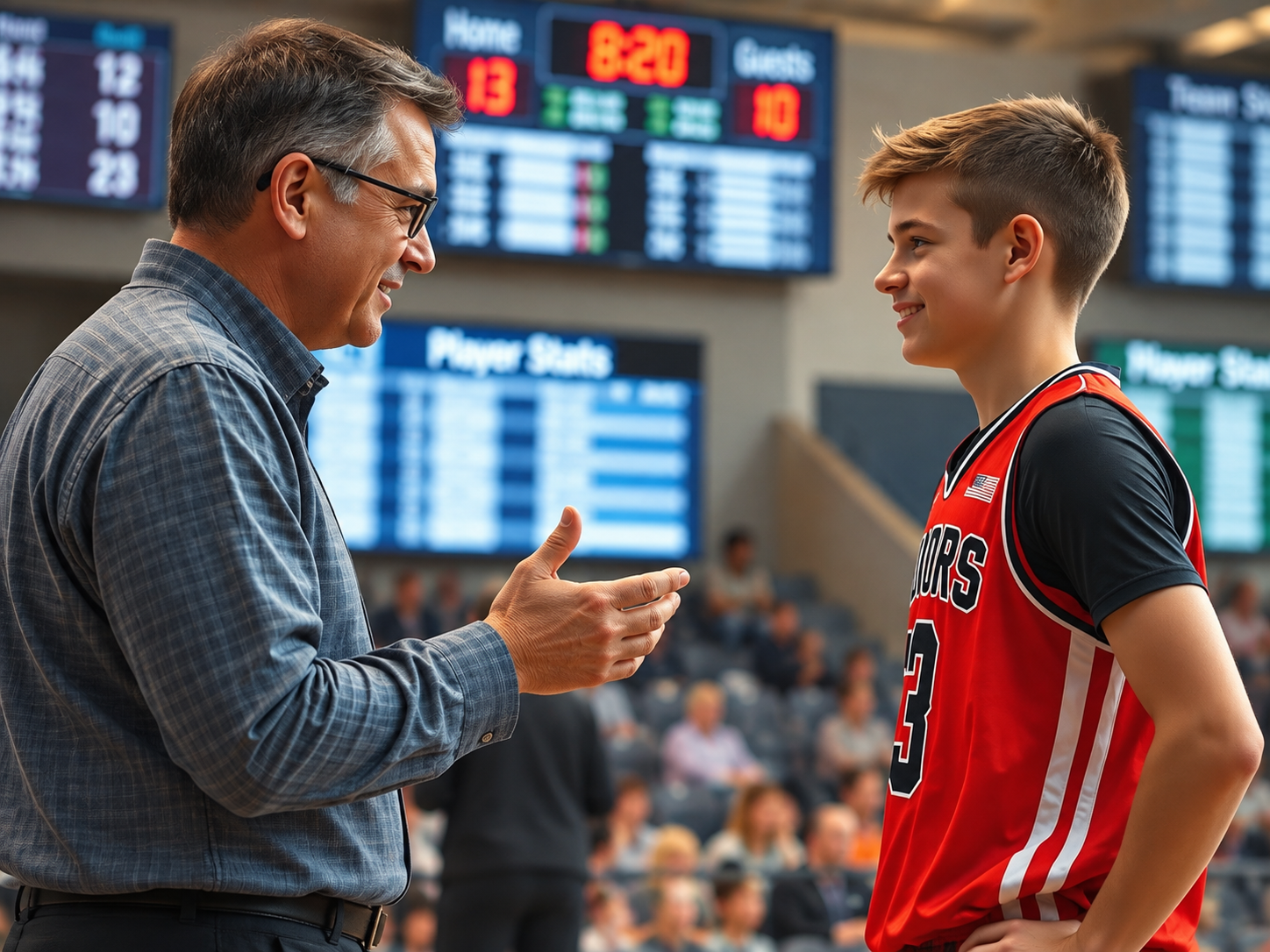
A ready athlete shows curiosity and ownership. They ask useful questions, accept correction, and show interest even when there is no trophy nearby. This does not mean they never complain or get tired. It means the motivation is not entirely parent-driven. If the adult wants the next level far more than the child does, the move may create resentment rather than growth.
Listen to the athlete’s language. “I want to try because I like the challenge” is different from “I have to or everyone will pass me.” Healthy ambition includes excitement, nerves, and uncertainty. Pressure-driven participation often sounds like fear of disappointing someone. That distinction matters before families commit to larger schedules and costs.
| Readiness area | Positive sign | Pause sign |
|---|---|---|
| Skill | Performs basics under pressure | Breaks down immediately when speed rises |
| Motivation | Owns the goal | Only continues to satisfy adults |
| Emotion | Recovers after mistakes | Mistakes derail the whole session |
| Health | Sleeps, recovers, and enjoys training | Persistent pain or burnout signs |
| Logistics | Family can support the schedule | Cost or travel creates constant stress |
Emotional signs: handling mistakes and roles
Higher competition brings stronger opponents and less control. The athlete may sit more, lose more, or play a narrower role. Readiness includes the ability to make mistakes without falling apart, support teammates, and return to effort after disappointment. Coaches should look for response patterns, not just single emotional moments.
Parents can help by asking process questions: What did you learn? What cue helped? What would you try next time? Avoid turning the car ride into a performance review. Young athletes need room to separate their identity from the scoreboard.
Recovery and health signs
A ready athlete can handle the current load without chronic fatigue, recurring pain, sleep loss, or mood changes. The CDC recommends regular daily physical activity for youth, but organized sport is only one piece of health. If a child is always sore, skipping sleep, or losing interest in school and friends, more competition may be the wrong next step.
Strength and conditioning can support readiness when it is age-appropriate and well supervised. Basic movement quality, coordination, and injury-prevention habits often matter more than early specialization. Families considering added training can use compound lifts for athletes as a general framework, while still seeking qualified coaching for individual needs.
Family logistics and financial reality
The best competitive pathway still has to fit real life. Travel, fees, equipment, missed weekends, transportation, and sibling schedules all matter. A family that is constantly stressed by the commitment may pass that stress to the athlete. Before moving up, ask what the season will cost in money, time, rest, and flexibility.
A trial period is useful. Try a camp, guest tournament, or short training block before committing to a full year. This gives the athlete a taste of speed and expectations without turning one decision into a locked pathway.
Questions to ask before accepting the next offer
Before accepting a roster spot, camp invitation, or travel-team place, ask practical questions. How many practices and games are expected each week? What is the true cost after travel, hotels, uniforms, and tournament fees? How does the coach handle playing time, injuries, conflicts, and communication with parents? What happens if the athlete needs rest or wants to play another sport? Clear answers reduce surprises later.
The athlete should also answer questions in their own words. What excites you about this level? What worries you? What would make the season feel successful besides winning? How will you tell us if the pressure becomes too much? These answers help adults separate healthy challenge from a commitment the young person does not fully understand.
Review the decision after the first month
Readiness is not a one-time verdict. After four to six weeks at the new level, review the decision. Is the athlete still enjoying the sport? Are sleep, school, and mood stable? Is the coach seeing learning behaviors, not only effort? If the answers are mixed, the solution may be a smaller role, fewer extra sessions, or a planned break rather than quitting entirely.
A shared decision beats a rushed promotion
The best sign of readiness is alignment: the athlete wants the challenge, the coach believes the skills and attitude are ready, the family can support the commitment, and the health picture is stable. If one of those pillars is weak, slow down.
For the next step, hold a 20-minute readiness conversation with the athlete and coach. Discuss skill, motivation, recovery, logistics, and a review date. If the new level includes league or tournament formats, league tables and seedings can help families understand what the results will and will not prove.