Living Room Layout Ideas That Improve Flow
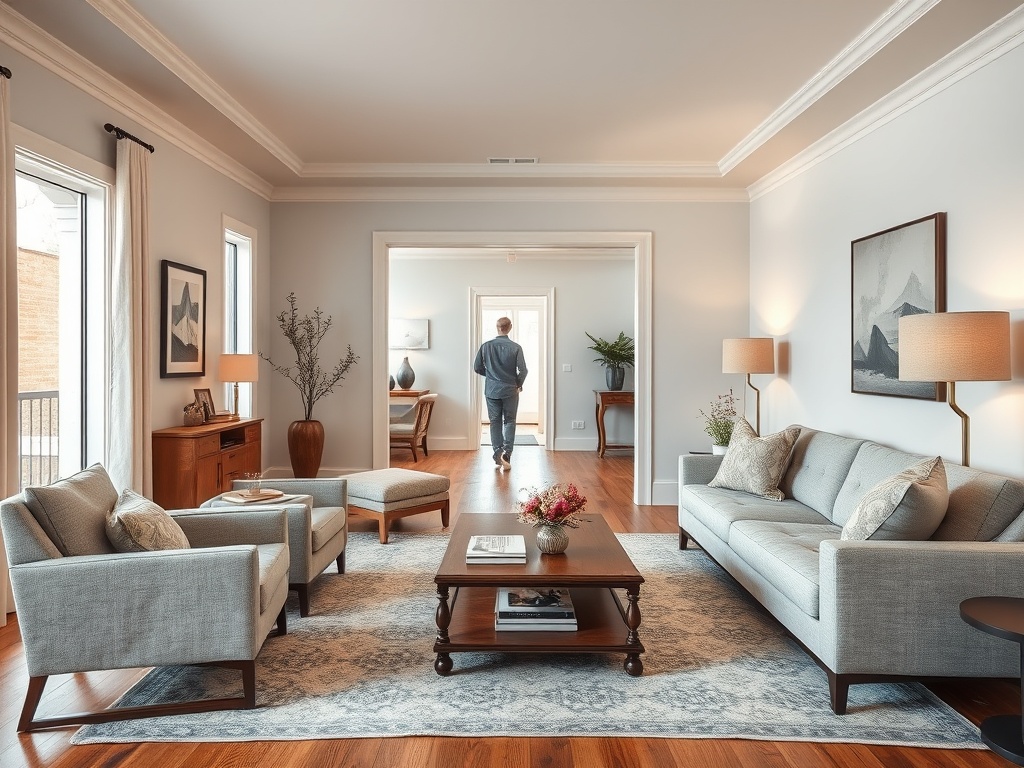
A living room flows well when people can enter, sit, reach useful surfaces, move between doorways, and use the room’s main features without weaving around furniture. The most effective layout usually starts with circulation paths and daily activities, then positions the largest pieces before adding tables, lamps, storage, and decor.
Start With Movement Before Styling
TL;DR: Map doors, windows, vents, outlets, focal points, and the routes people use most. Keep primary paths visually obvious, group seating around the room’s real purpose, give doors and drawers room to open, and avoid using extra furniture to fill every empty area. Safety considerations such as clear escape routes and stable furniture should remain part of the layout decision.
A living room often supports conversation, media, reading, play, work, and access to adjoining rooms. Flow improves when furniture supports those activities as a system.
Before moving anything, observe how people already cross the room. The shortest natural route between an entry and a hallway, kitchen, patio door, or staircase is usually the route people will keep trying to use. A successful layout works with that behavior instead of forcing a detour around a sofa arm or coffee table.
Map the Fixed Features First
Start with the parts of the room you cannot move easily: doors, windows, fireplaces, radiators, floor vents, built-ins, outlets, and wall-mounted equipment. Then note door swing and any furniture drawers or cabinet doors that need clearance.
Next, identify one primary focal point. It may be a fireplace, a view, a television, artwork, or simply the conversation area itself. A room can acknowledge more than one focal point, but giving every wall equal importance often produces scattered seating.
If you are working in a crowded room, it can help to declutter before rearranging. Comparing category-first and room-first decluttering may reveal that the “layout problem” is partly excess furniture or storage pressure.
Build a Conversation Zone That Does Not Block the Room
Seating works best when people can face or angle toward one another without every chair becoming an obstacle. Start with the sofa or largest seating piece. Place it where it supports the focal point and leaves an intuitive route around or behind it.
Then add secondary seating based on real use. Two occasional chairs may serve a household better than a second large sofa if flexibility matters. In a narrow room, armless or visually lighter seating can reduce the sense of blockage, but that is an aesthetic and comfort preference rather than a universal rule.
Avoid pushing every piece against a wall automatically. Floating a sofa can define a zone in an open-plan space, but only when there is enough room behind it for safe circulation. In a compact room, wall placement may preserve more usable floor area. The right choice depends on dimensions and traffic patterns.
Use Furniture Scale to Protect Breathing Room
Flow is affected by the footprint of furniture, not just its position. A coffee table that is too large can turn the route between a sofa and a doorway into a squeeze point. A deep media unit can consume valuable floor area even if its width looks appropriate on the wall.
Measure the room and furniture rather than relying on visual memory. Painter’s tape on the floor can outline the proposed footprint of a sofa, chair, table, or storage unit before anything heavy is moved. Walk through the taped layout from every entry point and simulate opening nearby doors and drawers.
This test is especially useful before adding storage. If the room feels crowded because belongings lack homes, look at kitchen-style space-saving storage principles and adapt the idea of vertical, concealed, or task-based storage to the living area.
Let Lighting Follow the Activities
A living room often feels awkward when the furniture layout is reasonable but the lighting is tied to only one ceiling fixture. Think in layers: general ambient light, task light for reading or work, and accent light for visual depth. The exact mix is subjective, but the practical principle is that each major activity should have usable light without cords crossing walkways.
Place floor lamps where the base will not create a trip point. Keep cords controlled and away from high-traffic paths. If a reading chair is far from an outlet, changing the chair location may be safer and cleaner than running an extension cord across the room. For permanent electrical changes, use qualified help and follow local requirements.
Treat Safety as Part of Good Flow
A room that photographs well can still function poorly if it blocks an exit or creates unstable furniture placement. The U.S. Fire Administration recommends that doors and windows needed for escape remain accessible as part of a home fire escape plan. Do not arrange a sofa, storage cabinet, or decorative screen so that it makes an emergency route difficult to use.
Where children live or visit, also consider furniture tip-over risk. The U.S. Consumer Product Safety Commission’s anchor It program advises securing appropriate furniture and televisions rather than relying on placement alone.
Safety does not require a sterile room. It simply means circulation, anchoring, cords, heat sources, and access remain part of the design brief.

Four Layout Patterns to Test
The Conversation-Centered Arrangement
Place a sofa and two chairs around a shared center, with the main walkway passing outside the seating group. This works well when talking and entertaining matter more than everyone facing a screen directly.
The Media-First Arrangement
Orient the primary seats toward the screen while angling at least one secondary seat toward the conversation zone. Keep the path to the room’s exits behind or beside the seating rather than through the center.
The Open-Plan Divider Arrangement
Float the sofa with its back toward the dining or kitchen area to create a visual boundary. A slim console behind the sofa can provide a landing surface if it does not narrow the passage.
The Compact Perimeter Arrangement
Use the walls strategically to preserve central floor area. Choose fewer pieces with clear jobs, then add one mobile side table or ottoman rather than several fixed tables. This can suit apartments and small rooms where flexibility matters.
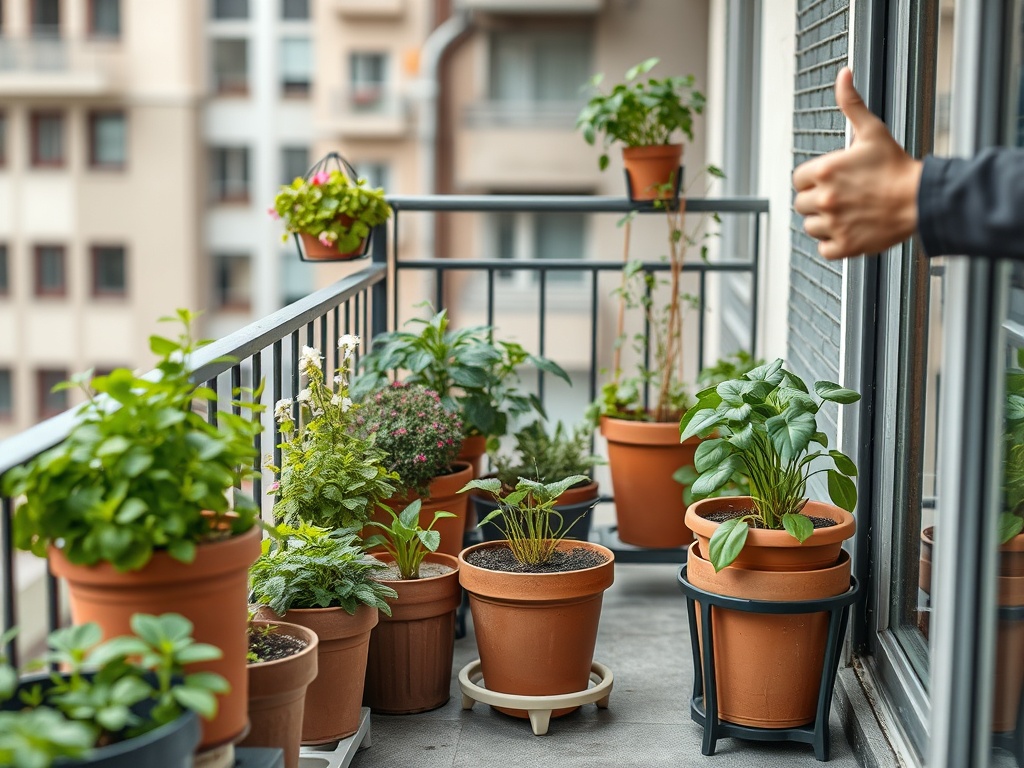
For a home where outdoor or windowsill hobbies spill into the living area, apartment gardening ideas for balconies and windowsills can help keep plant care zones from taking over circulation space.
Run a Real-Life Flow Test
After rearranging, do not judge the room from one doorway. Use it for several days. Carry a laundry basket through it. Open the patio door. Sit in every chair. Reach for a drink. Watch television from different seats. Notice where bags, toys, remotes, or chargers accumulate.
Those behaviors reveal whether the layout is supporting the household. If a corner repeatedly becomes a drop zone, give that activity a deliberate home. If people keep cutting between a chair and a table, widen the path. If a seat is never used because it feels isolated, move it or remove it.
Let the Room Earn Each Piece
A strong living room layout is usually the result of subtraction and testing rather than adding more furniture. Protect the main route, support the room’s most important activities, and give every large piece a clear reason to be there. Once the functional skeleton works, color, texture, art, and accessories can make the room feel finished without sacrificing movement.
This article offers general interior-layout and household-safety information. Building conditions, accessibility needs, fire-safety requirements, and furniture installation instructions vary; consult qualified professionals or local authorities where specific compliance or safety advice is needed.[/