How to Lower Home Energy Bills Without a Major Remodel
You can reduce household energy use without opening walls or replacing the entire HVAC system by focusing on operating habits, basic air sealing, thermostat settings, lighting, plug loads, water heating, and maintenance. The right order is to identify where energy is being used or lost, make low-cost corrections, and then monitor bills and comfort before buying larger upgrades.
Start With the House You Have
TL;DR: Review utility bills, check obvious drafts, maintain heating and cooling equipment, use thermostat schedules that match occupancy, switch off unnecessary lighting and electronics, manage hot-water use, and seal accessible air leaks with appropriate materials. If bills remain unusually high or rooms are persistently uncomfortable, a professional energy assessment can help prioritize deeper work.
Start with diagnosis rather than new equipment. Compare utility use with similar prior periods when possible and note changes in occupancy, weather, appliances, or thermostat habits.
The U.S. Department of Energy recommends energy evaluation as a way to identify where a building is losing energy and which measures are most appropriate; its overview of why home energy efficiency matters also highlights air sealing, insulation, thermostat control, HVAC performance, water heating, appliances, and lighting as common areas to review.
Step 1: Find Low-Risk Air Leaks
Drafts around operable windows and doors can make rooms uncomfortable and increase heating or cooling demand. Inspect weatherstripping for compression, gaps, cracking, or sections that have pulled away. Check door sweeps and obvious gaps around penetrations that are accessible and appropriate for DIY sealing.
Caulk is generally suited to stationary joints, while weatherstripping is used around moving components such as doors and operable windows. Product selection matters because materials have different movement, temperature, moisture, and surface requirements.
Do not seal combustion-air openings, required vents, drainage paths, or unfamiliar building components. If you suspect significant leakage in an attic, crawlspace, duct system, or around combustion equipment, professional assessment is safer than indiscriminate sealing.
A simple weatherstripping job is also one of the beginner DIY projects that can improve day-to-day comfort without turning into a full renovation.
Step 2: Make Thermostat Operation Match Occupancy
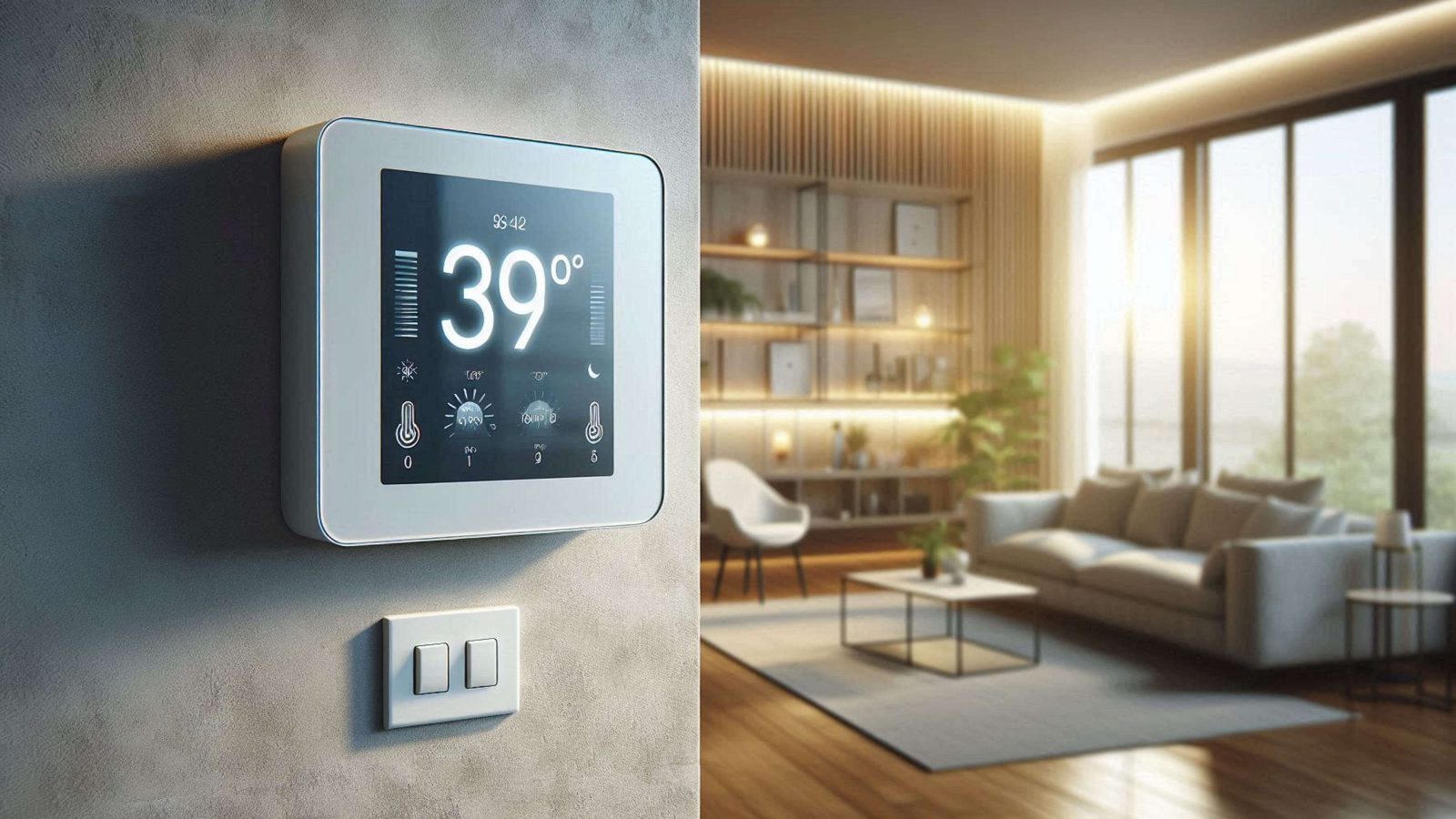
Heating and cooling often represent a major household load, so control strategy matters. Use a schedule that reflects when people are home, asleep, or away, while staying within safe limits for occupants, pets, humidity control, pipes, and sensitive belongings.
A programmable or smart thermostat can make scheduling easier, but technology does not automatically save energy. The value comes from appropriate settings and consistent use. If your system has a heat pump, multi-stage equipment, or other specialized controls, follow manufacturer guidance because aggressive temperature setbacks may not operate the same way on every system.
Do not block supply or return air with furniture, rugs, or storage. Replace or clean filters at intervals appropriate to the equipment and filter type. If a system short-cycles, makes unusual noises, smells hot, or cannot maintain reasonable comfort, maintenance or repair may be more important than changing settings.
Step 3: Reduce Lighting and Plug Loads That Add Up Quietly
Turn off lights in unoccupied spaces and use efficient lamps where appropriate. Daylight can reduce the need for artificial lighting, but closing shades during periods of unwanted solar heat gain may improve comfort in some climates and seasons. The best choice depends on orientation and weather.
Electronics, chargers, entertainment systems, office equipment, and kitchen appliances can draw energy when active and, in some cases, while waiting in standby. Instead of unplugging everything obsessively, focus on groups that are easy to control. A switched power strip may help with a desk or entertainment setup if the connected equipment is suitable for that use.
Use power strips and extension cords only within their ratings and intended locations; never daisy-chain them.
Step 4: Use Hot Water More Deliberately
Water heating responds to both temperature and volume. Shorter showers, full laundry or dishwasher loads when appropriate, and fixing dripping hot-water fixtures can reduce unnecessary use. Wash clothing in cooler water when fabric-care instructions and sanitation needs allow.
If you adjust a water-heater temperature, consult the manufacturer and consider household health and safety needs. Very high settings increase scald risk, while very low settings may create other concerns depending on the system. When in doubt, use a qualified professional rather than relying on a one-size-fits-all number.
Insulating accessible hot-water pipes or the tank may be useful in some homes, but materials and clearances matter. Follow equipment guidance, especially around combustion appliances, controls, vents, and relief valves.
Step 5: Manage Sun, Shade, and Seasonal Comfort
Window treatments can be operational tools. Close coverings when direct sun is overheating a room, and open them when useful winter sun can contribute warmth. At night or during cold conditions, suitable coverings may reduce the sensation of radiant chill near windows.
Ceiling fans can improve perceived comfort when people are in the room, but a fan cools people through air movement rather than lowering the room’s temperature in the way an air conditioner does. Turn it off when the room is unoccupied unless there is another specific reason to run it.
Comfort also depends on how rooms use sun, shade, airflow, and clear circulation. For a related space-planning approach, see living room layout ideas that improve flow.
Step 6: Run a Simple Home Energy Walk-Through
Use a notebook or phone and move through the home by system rather than room:
- Envelope: Check doors, operable windows, visible penetrations, and weatherstripping.
- Heating and cooling: Note filter condition, blocked registers, unusual cycling, and thermostat schedule.
- Lighting: Identify high-use fixtures that still use inefficient lamps where compatible replacements are available.
- Electronics: Find groups that remain on unnecessarily or are easy to switch off together.
- Hot water: Look for drips, long waits for hot water, and habits that use heated water without adding much value.
- Kitchen and laundry: Use appliance cycles appropriately and avoid running small loads when waiting is practical.
- Comfort: Note rooms that are consistently too hot, cold, humid, dry, or drafty. Patterns help reveal where professional diagnosis may be warranted.
For renters, the Department of Energy’s renter-focused energy page distinguishes accessible DIY actions from improvements that may require a property owner or professional.
Know When the Problem Is Bigger Than a Habit
Persistent comfort problems can indicate insulation gaps, duct leakage, equipment issues, moisture, failing windows, or other building-envelope conditions. High bills may also reflect rate changes or billing issues.
If you cannot explain a major change, compare actual usage units on the bill, not just the dollar total. Then contact the utility if the billing data looks unusual. A professional energy audit can help when the home has multiple comfort problems or when you want to prioritize future investments based on evidence.
Emergency planning also belongs in household utility thinking. Outages can affect heating, cooling, refrigeration, lighting, and communications, so building a practical emergency preparedness kit is a useful companion project even though it does not lower the monthly bill.
Make One Change and Measure the Result
Choose a low-cost action you can maintain, such as correcting a draft, improving a thermostat schedule, or reducing unnecessary lighting. Watch comfort and utility use over a meaningful period, accounting for weather and occupancy changes. Repeat with the next most obvious opportunity. A measured sequence prevents spending heavily before you understand the problem.
This article is for general educational purposes and is not electrical, HVAC, building-code, or energy-audit advice. Home systems, climates, utility rates, equipment, and local requirements differ; use qualified professionals for unsafe, unfamiliar, or regulated work.[/