Press, Zone, Man-to-Man, and Hybrid Defenses Explained

Press, zone, man-to-man, and hybrid defenses are different ways of deciding who pressures the ball, who protects space, and how teammates cover one another. The safest way to understand them is to ask whether the defense is organized around the opponent, the area, the ball, or a mix of all three.
TL;DR: Key Takeaways
- Man-to-man assigns defenders to opponents; zone assigns defenders to spaces.
- A press is a pressure strategy, not a full defensive identity by itself.
- Hybrid systems mix rules, so communication matters more than the label.
In any sport, defensive labels should be checked against the competition rules, coaching language, and observable assignments rather than treated as fixed facts.
The core problem every defense tries to solve
Every team defense has the same basic challenge: stop the opponent from creating high-value chances while keeping enough structure to recover if the first action fails. In basketball, that may mean protecting the paint while contesting shooters. In soccer, it may mean forcing play wide, cutting off central passes, or trapping near the sideline. In American football, it may mean covering receivers while still pressuring the quarterback. The labels differ, but the problem is shared.
Beginners often hear “press” and think it means everyone runs at the ball. That is not a defense; it is a way to get pulled apart. A press should include a trigger, a first defender, cover behind the first defender, and a plan for the pass that beats pressure. If young athletes are moving into more tactical environments, signs of readiness for more competition can help parents and coaches check whether the added complexity is appropriate.
Man-to-man: clear responsibility, high accountability
Man-to-man defense assigns each defender to a specific opponent or matchup. Its strength is clarity. A defender knows who to track, and coaches can quickly identify missed assignments. It can also develop individual defending skills because players cannot hide as easily inside a zone. The weakness is that one poor matchup or one screen can create a breakdown if help rules are weak.
The teaching sequence should start with stance, distance, body angle, and help positioning. Then add communication: ball, help, screen, switch, stay, recover. The common coaching error is demanding effort without teaching help. Man-to-man is not five isolated duels; it is five connected responsibilities. A defender can be guarding a player and still be responsible for protecting a teammate.
Zone: protecting areas without becoming passive
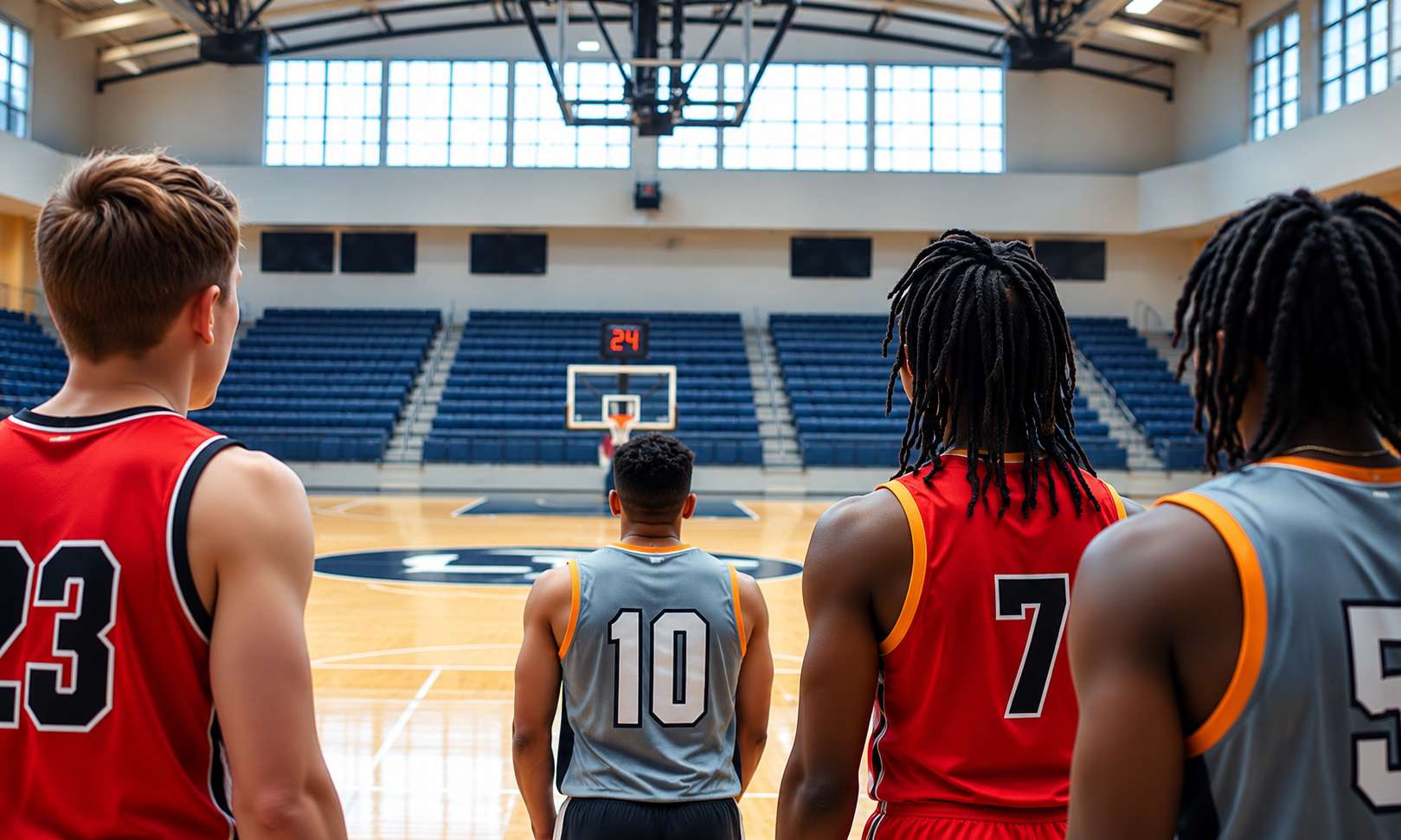
Zone defense assigns defenders to spaces. The goal is not to stand in a spot, but to control the most dangerous areas as the ball moves. A good zone shifts, communicates, and forces lower-value options. A weak zone becomes passive because players wait for the ball instead of anticipating passes and rotations.
Zone can help teams cover size or speed disadvantages, but it can also slow individual defensive development if used as a shortcut. Coaches should teach landmarks, ball position, nearest threat, and rebounding or transition responsibilities. In soccer, a zonal block may close central lanes. In basketball, a 2-3 zone may protect the paint but concede certain perimeter looks. In football, zone coverage protects areas of the field while defenders read route combinations.
| Defense type | Primary reference point | Best teaching question |
|---|---|---|
| Man-to-man | Opponent | Who is your matchup and where is help? |
| Zone | Space | Which area must you protect as the ball moves? |
| Press | Ball and trigger | What cue tells us to pressure now? |
| Hybrid | Rules by situation | When do we stay, switch, pass on, or drop? |
Press: pressure with a trigger
A press is a plan to apply pressure earlier or more aggressively than normal. It can be full-court in basketball, high up the pitch in soccer, or pressure-oriented in football coverage. The trigger might be a poor touch, a back pass, a sideline reception, a predictable inbound, or an opponent receiving with their back turned. Without triggers, pressing becomes emotional chasing.
Teach a press in three steps. First, identify the trigger. Second, define the first defender’s angle so the ball is forced toward help. Third, train the second and third defenders to cover the next pass. The language should be short and consistent. A press fails when the first defender sprints straight, the second defender arrives late, and the back line does not adjust.
Hybrid systems: why modern defenses mix ideas
Hybrid defenses combine man and zone principles. A basketball team may play man-to-man on the ball but zone up on the weak side. A soccer team may press man-to-man near the opponent’s box, then drop into a zonal mid-block. A football defense may disguise coverage by showing one look before the snap and rotating into another after it. Hybrid systems can be powerful because they create uncertainty, but they punish unclear communication.
The label matters less than the rules. Ask: who pressures the ball, who covers behind, who takes the next runner, and what happens if the first line is beaten? If players cannot answer those questions, the system is too complicated for the group. Tactical confidence should never become overconfidence, a distinction explored in competitive mindset and overconfidence.
Practice applications that keep tactics teachable
Build practice from small numbers. Start with one-versus-one containment, then two-versus-two help, then three-versus-three rotations, then a game-like phase. For a press, use a sideline trap drill before asking the whole team to press. For zone, use shifting shells before live scrimmage. For hybrid rules, freeze play only when the picture is clear and short. Players learn defense by seeing the connection between pressure and cover.
Common errors include calling every aggressive action a press, using a zone to avoid teaching movement, switching matchups without communication, and treating hybrid systems as advanced simply because they sound advanced. Good coaching makes the rules simpler for players, not more impressive for adults watching.
A simple walk-through from ball pressure to recovery
Imagine a basketball wing catches the ball near the sideline. In man-to-man, the on-ball defender angles the dribbler away from the middle while the nearest teammate drops into help. In a zone, the defender in that area steps up and the next defender protects the passing lane behind. In a press, the catch itself may be the trigger for a trap, with the next two defenders taking away the nearest outlets. In a hybrid, the first pass may be guarded man-to-man while the weak side stays zonal.
That example shows why players need rules rather than slogans. A coach can pause the action and ask four questions: who pressures, who covers, who protects the most dangerous pass, and who recovers if the ball escapes? If the answers are clear, the defense is teachable. If the answers change every time, the team is relying on effort without structure.
Choose the defense your players can execute
The right defense is not the one with the smartest label. It is the one your players can understand, communicate, and repeat under pressure. A beginner team may need clear man-to-man principles. An older team may add zone rotations. A mature team may press with triggers and disguise hybrid coverage.
For a next step, write your team’s defensive rules in four sentences: ball pressure, cover, communication, and recovery. If those sentences are clear, the system has a chance. If they are vague, simplify before adding more tactics. Sports marketers face a similar clarity test when turning attention into identity, as discussed in sports marketing campaigns and fan communities.