How to Pick a Tennis Racket Based on Skill Level and Playing Style
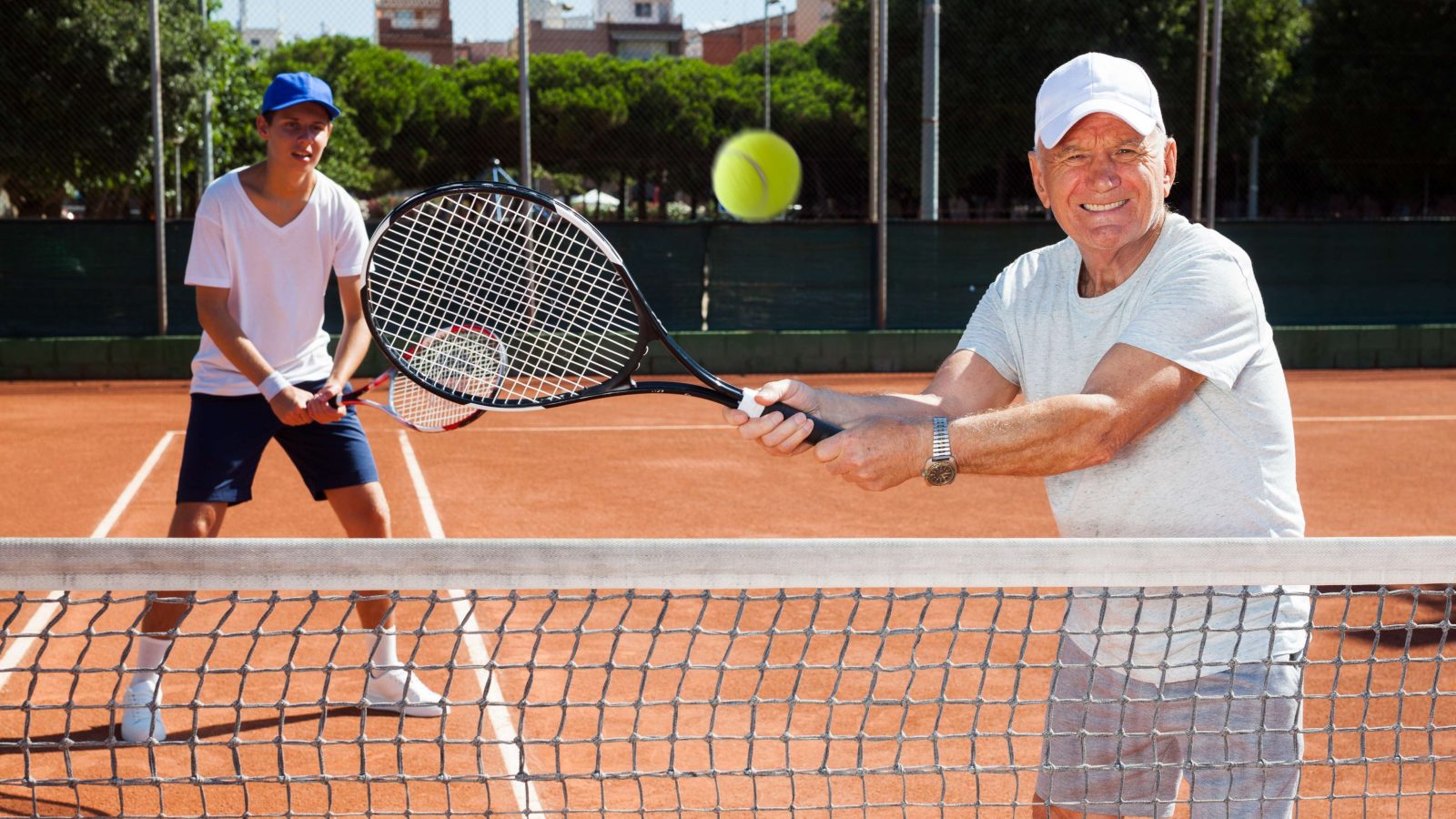
Pick a tennis racket by matching head size, weight, balance, length, grip size, and string setup to your current skill level and playing style. The best racket is not the most advanced one; it is the one you can swing comfortably and control repeatedly.
TL;DR: Key Takeaways
- Beginners usually benefit from a forgiving head size, manageable weight, and comfortable grip.
- Intermediate players can choose based on whether they need more control, spin, power, or stability.
- Upgrade when your technique outgrows the racket, not simply when a newer model appears.
For equipment context, see the ITF racket guidance and the LTA tennis racket guide, then test any recommendation against your own swing.
Start with the player, not the product label
Tennis rackets are marketed with promises of power, control, spin, and precision. Those words can help, but they are not enough. A player with compact strokes may need a different racket from a player who generates heavy topspin. A beginner learning clean contact may benefit from a larger sweet spot, while a stronger intermediate player may prefer more stability and feedback.
Official equipment rules set boundaries, but buying decisions happen inside those boundaries. The ITF’s racket guidance and the LTA’s equipment advice both point readers toward practical fit factors such as size, length, grip, weight, strings, and head size. The narrow decision is simple: choose a racket that helps your next six months of development rather than copying a professional setup.
Skill level: what usually changes as players improve
A beginner needs forgiveness. That often means a larger head size, a lighter or moderate frame, and a balance that does not make the racket feel sluggish. The goal is clean contact and confidence. A racket that is too heavy can make a new player late. A racket that is too small in the sweet spot can turn normal learning mistakes into frustration.
An intermediate player can be more specific. If balls fly long, a control-oriented frame or string adjustment may help. If the player struggles against pace, more stability may matter. If spin is becoming a weapon, string pattern and racket head speed become more relevant. Advanced players may prioritize feel and precision, but most recreational players should avoid choosing a demanding frame before their timing is ready.
This mirrors how beginners should read standings: understand the structure before judging the result. For a broader sports-foundation example, league tables and seedings shows how the right framework changes interpretation.
Playing style: power, control, spin, or all-court balance

Baseline players who hit with topspin often like frames that are easy to accelerate and supportive of spin. Flat hitters may value control and predictable response. Doubles players may care more about maneuverability at net. All-court players usually need a balanced frame that does not over-specialize. None of these choices is absolute, but they narrow the field.
The biggest mistake is buying for an imagined style rather than the current one. A player may want to be an aggressive baseliner, but if most points are lost through late preparation, a heavier control frame might slow development. A coach, demo session, or careful hitting test can reveal whether the racket supports the player’s real habits.
| Player profile | Likely priority | Racket direction |
|---|---|---|
| New beginner | Forgiveness and comfort | Larger head, manageable weight, comfortable grip |
| Improving baseline player | Spin and depth | Easy acceleration, spin-friendly setup |
| Control-focused hitter | Precision | Moderate head size, predictable response |
| Doubles player | Maneuverability | Balanced or head-light feel |
| Powerful intermediate | Stability and control | Slightly heavier frame if timing stays strong |
Fit factors that matter most
Head size affects forgiveness. Larger heads generally offer a bigger hitting area and easier power; smaller heads usually reward cleaner contact with more control. Weight affects stability and swing speed. A heavier frame can feel solid, but only if the player can prepare on time for an entire session. Balance affects how the weight feels. A head-light racket may feel easier at net, while a head-heavy frame may add power but feel slower.
Grip size matters for comfort and injury prevention. A grip that is too small can encourage squeezing; a grip that is too large can make wrist and forearm movement awkward. Strings are part of the racket system. A softer string or lower tension can add comfort and power, while firmer setups may add control but can feel harsh. Players with arm discomfort should seek qualified advice rather than guessing.
A useful buying table for common player profiles
Use the table below as a starting point, not a medical or professional fitting. Two players with the same rating can need different rackets because strength, timing, injury history, and preferred ball flight differ. Demoing remains the best test because a racket that looks perfect on paper may feel wrong after twenty minutes of live hitting.
When testing, hit serves, returns, volleys, defensive balls, and rally balls. Many players only rally from the baseline and then discover the racket feels unstable on returns or slow at net. If you play mostly doubles, test quick reaction volleys. If you play singles, test movement and late-contact situations. Equipment should solve real match problems, not just feel good during easy feeding.
Budget, upgrade timing, and care
A beginner does not need the most expensive frame. Spend enough to get a properly sized, reliable racket, then budget for strings, overgrips, and lessons or court time. Intermediate players should upgrade when the current racket creates a clear limitation: instability against pace, lack of control on full swings, discomfort, or poor fit. Cosmetic updates alone are not a reason to buy.
Maintenance matters. Replace worn grips, restring when performance drops, and inspect the frame after hard impacts. If you are building all-around tennis habits, transfer the same structured mindset used in soccer first-touch drill progressions: fit the tool to the skill you are training today.
How to run a useful demo session
A demo session should be structured enough to reveal differences. Warm up with your current racket, then test each candidate through the same sequence: mini-tennis, crosscourt rallies, serves, returns, volleys, and defensive balls on the run. Rate comfort, depth control, mishit forgiveness, net maneuverability, and arm feel. Do not decide after five clean baseline shots because many rackets feel good when timing is easy.
Bring the same string type into the comparison when possible, or at least note that strings may be affecting the result. If one frame feels powerful but sends routine balls long, it may need a different string or tension. If another feels precise but punishing on off-center contact, it may be too demanding for your current level.
Make the racket earn its spot in your bag
Choose the racket that makes your normal swing better, not the racket that demands a different athlete. A good fit should help you prepare on time, contact the ball cleanly, and trust the response under pressure.
For the next step, demo two or three frames with different profiles and write down how each performs on serve, return, rally, volley, and late-contact defense. If you are planning to attend a live event to watch technique up close, stadium seating choices can help you pick a section with the best viewing angle.