Strength Training for Athletes: The Best Compound Lifts to Master First
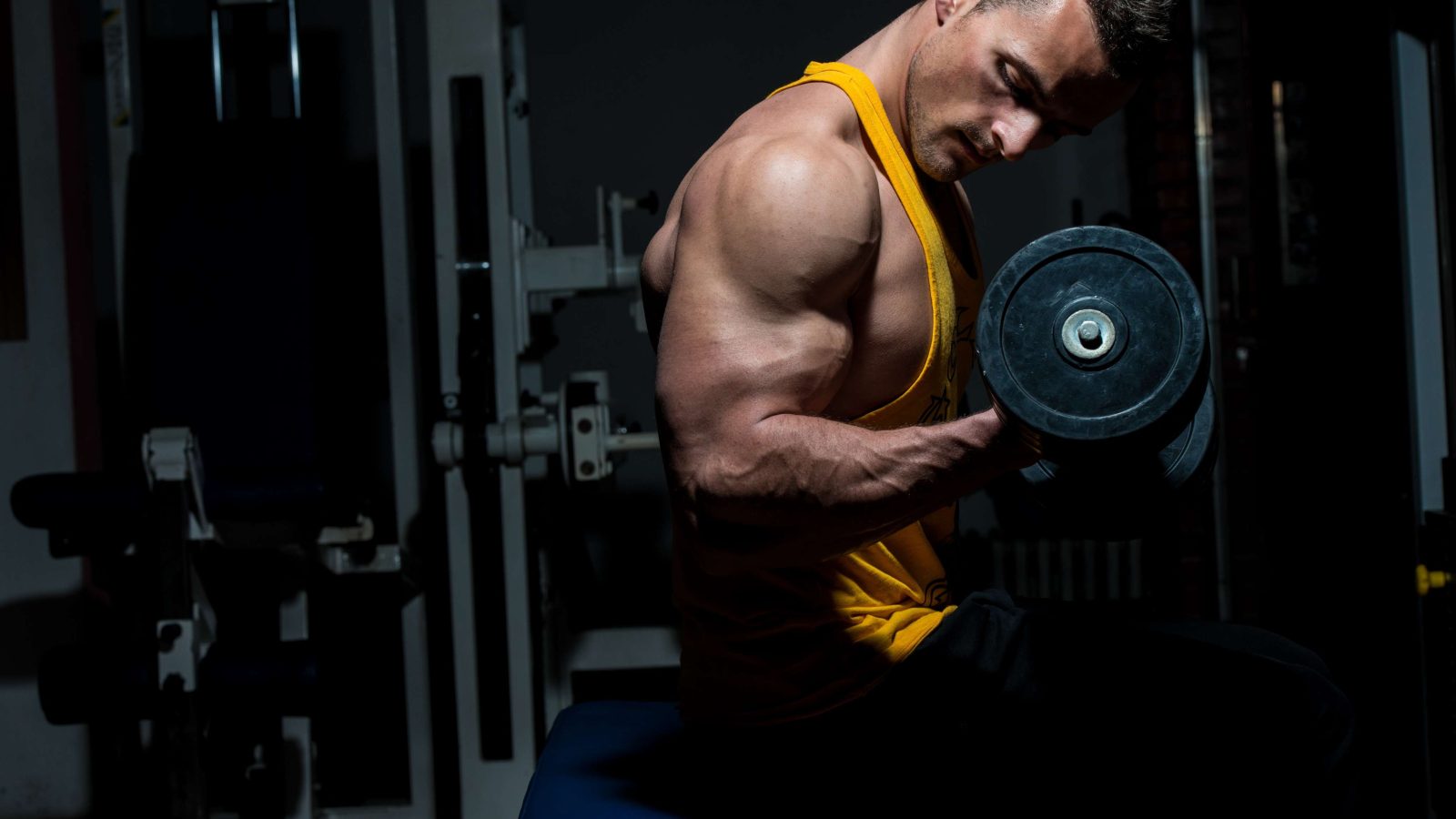
Athletes should master compound lifts first because squats, hinges, pushes, pulls, carries, and lunges train coordinated strength that transfers better than isolated exercises alone. The safest starting point is technique, range of motion, and progressive loading, not chasing heavy numbers.
TL;DR: Key Takeaways
- Compound lifts build usable strength across multiple joints and muscle groups.
- Technique quality, supervision, and recovery determine whether lifting helps or hurts performance.
- Strength training should support sport practice, not compete with it.
For health and training context, consult qualified coaches and compare your plan with the NSCA position statement resources and CDC youth activity guidance.
Why compound lifts belong near the front of the program
Sport rarely asks one muscle to work alone. Sprinting, jumping, cutting, throwing, swimming, tackling, swinging, and bracing all require coordinated force. Compound lifts teach the body to produce and control that force. A squat pattern develops lower-body strength and trunk control. A hinge develops posterior-chain power. Pulls and pushes build upper-body strength and shoulder control. Carries teach posture and grip under load.
The NSCA’s position statements support properly designed resistance training for youth and athletes when instruction, progression, and supervision are appropriate. That does not mean every athlete should max out. It means strength work can be useful when treated as skill practice and adapted to age, training history, and sport demands.
The six movement families to master first
Start with movement patterns rather than a list of favorite exercises. The squat family includes goblet squats, split squats, and front squats. The hinge family includes hip hinges, Romanian deadlifts, and trap-bar deadlifts. The push family includes push-ups, dumbbell presses, and overhead presses when appropriate. The pull family includes rows, pull-downs, and assisted pull-ups. The lunge family includes reverse lunges and step-ups. The carry family includes farmer carries and suitcase carries.
These movements cover the basics without forcing every athlete into the same barbell plan. A basketball player, tennis player, soccer player, and swimmer may all squat, hinge, push, pull, lunge, and carry, but the loads, volumes, and timing should differ. The aim is to build a stronger athlete for the sport, not a weight-room specialist who is too sore or tired to practice well.
Progression before load
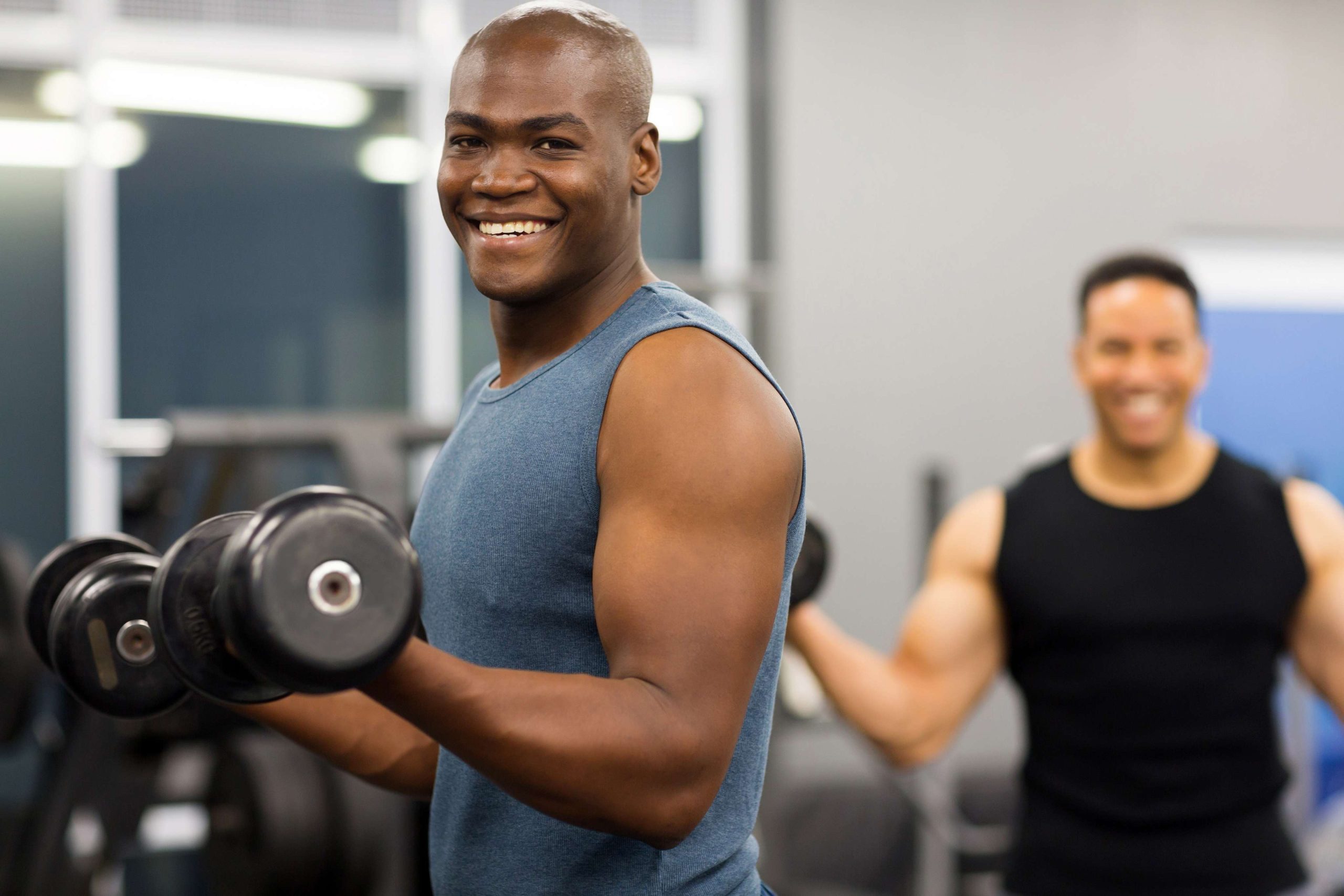
The most reliable progression is bodyweight, light external load, controlled tempo, full range, then heavier load. Athletes should show balance, alignment, and repeatable control before adding intensity. A coach can use simple checkpoints: knees track with feet, spine stays organized, landing or lowering is quiet, and the athlete can explain the cue being practiced.
This mindset is similar to technical skill progressions. In beginner soccer first-touch drills, pressure is added only after the basic action is stable. Strength training works the same way. Add difficulty when the athlete owns the movement, not when the room gets impatient.
| Movement family | Beginner-friendly option | Why it matters |
|---|---|---|
| Squat | Goblet squat | Lower-body strength and posture |
| Hinge | Romanian deadlift | Hip power and posterior-chain control |
| Push | Push-up or dumbbell press | Upper-body force and trunk stability |
| Pull | Dumbbell row | Shoulder balance and posture |
| Lunge | Reverse lunge | Single-leg control |
| Carry | Farmer carry | Grip, trunk, and total-body bracing |
How to combine lifting with sport practice
Strength training should fit the week. On heavy practice or match days, keep lifting lighter or avoid high-fatigue lower-body sessions. On lower-skill days, a strength session may be more substantial. In-season training often maintains strength with lower volume. Off-season training can build capacity, but still needs movement quality and recovery.
A simple intermediate schedule is two full-body sessions per week. Each session can include one squat or lunge, one hinge, one push, one pull, one carry, and a short trunk or mobility finisher. Most athletes do not need marathon sessions. They need consistent, high-quality work that leaves them better prepared for the next practice.
Red flags and common mistakes
Red flags include pain that changes movement, repeated technique breakdown, extreme soreness that harms practice, and a program that ignores growth, sleep, nutrition, or competition load. Young athletes should not be pushed into adult ego lifting. The CDC’s youth physical activity guidance also reminds families that daily movement and varied activity matter, so strength work should live inside a healthy overall routine rather than replace sport enjoyment.
Common mistakes include testing maximums too often, copying professional athletes, skipping pulling work, ignoring single-leg control, and treating conditioning punishment as strength training. Another mistake is assuming confidence in the weight room equals readiness for sport contact or competition. That difference connects to confidence versus overconfidence, especially when athletes start to feel stronger.
A practical first-lift priority list
For many athletes, the first lifts to master are goblet squat, Romanian deadlift, push-up or dumbbell press, row, reverse lunge, and farmer carry. These exercises are teachable, scalable, and useful. Add jumping, sprinting, or Olympic-lift derivatives only when coaching quality and athlete readiness are appropriate. Power work should be crisp, not sloppy conditioning in disguise.
Measure progress through better movement, more controlled repetitions, improved jump or sprint qualities, and reduced fatigue during sport practice. Weight on the bar is one metric, but not the only one. A technically clean athlete who moves well and practices hard is usually better served than an athlete who lifts more but loses speed and skill quality.
Sample two-day beginner strength template
A simple two-day plan can cover the basics without overwhelming sport practice. Day one might include goblet squat, dumbbell row, push-up, Romanian deadlift, farmer carry, and a short mobility cooldown. Day two might include reverse lunge, trap-bar deadlift or hip hinge variation, dumbbell press, cable or band row, suitcase carry, and basic trunk control. Keep most sets in the three-to-eight repetition range for strength skill, with enough rest to keep technique clean.
Athletes should leave one or two repetitions in reserve most of the time. The first goal is to repeat quality under moderate challenge. Add load only when the athlete can complete every rep with stable posture and no pain. During the competitive season, reducing volume is often smarter than adding more work.
One last check before adding weight
Before loading heavier, ask whether the athlete can repeat the same movement when tired, distracted, or coming from practice. If technique only works in a perfect warm-up set, the pattern is not ready for aggressive progression. Small, steady increases usually beat dramatic jumps that interrupt sport practice.
Build strength that shows up on the field
The best compound lifts are the ones an athlete can perform well, recover from, and connect to sport demands. Strength training succeeds when it makes practice sharper and competition safer, not when it becomes a separate identity.
For the next step, choose one movement from each family and train it twice per week for four weeks. Keep notes on technique, soreness, and sport performance. For developing athletes, revisit readiness signs for more competition before increasing both lifting and competitive load at the same time.