How to Build a Practical Emergency Preparedness Kit
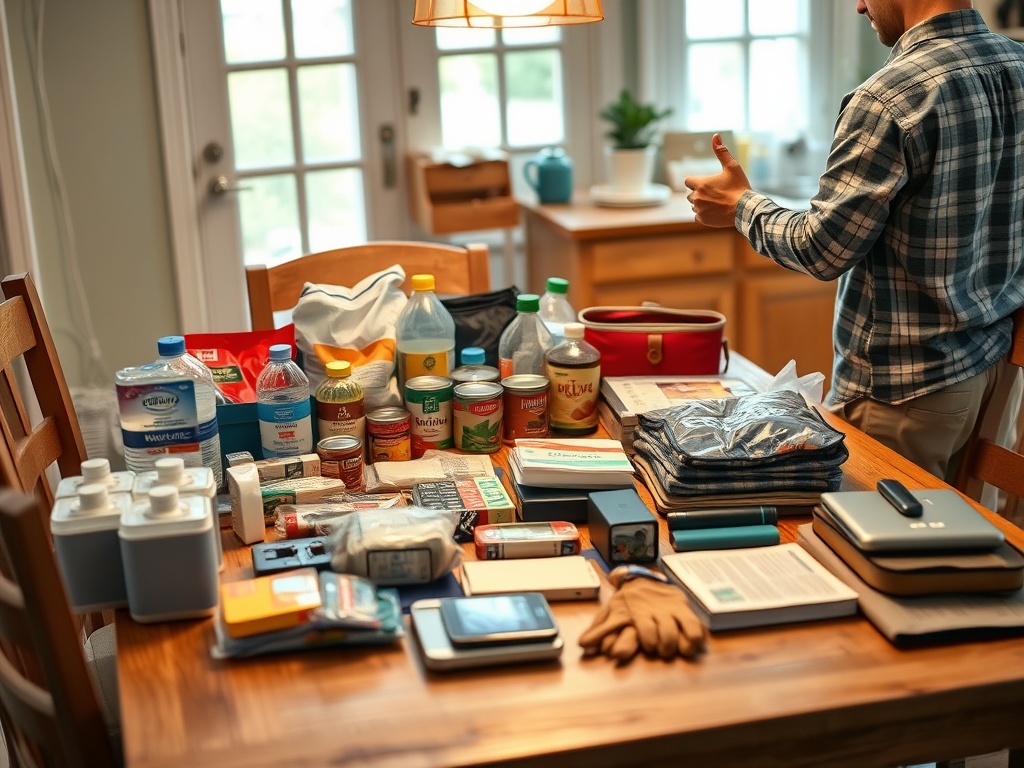
A practical home emergency kit should support your household through several days of disrupted power, water, transportation, communications, or normal shopping. Build it around your actual household: safe water, nonperishable food, medications and medical needs, lighting, communication, basic first aid, sanitation, documents, power, weather protection, and supplies for children, older adults, pets, or disabilities.
The Kit Should Match the People Who Will Use It
TL;DR: Start with essentials already at home, then fill gaps deliberately. Store water and food your household can safely use, keep flashlights and backup power accessible, include medications and personal needs, protect key documents, add sanitation supplies, and review the kit regularly. A smaller organized kit you can maintain is more useful than a giant bin filled with forgotten or expired items.
Emergency preparedness is not about predicting one specific disaster. It is about preserving basic functions when normal systems become unreliable. A power outage, severe storm, evacuation, water interruption, or local emergency may create different needs, so the kit should be modular enough to use at home or to move quickly if required.
Ready.gov encourages households to make a plan and build an emergency supply kit as core preparedness actions; its preparedness hub is the best starting point for current federal guidance and hazard-specific updates.
Start With Water and Safe Food
Water is a priority because an outage or infrastructure problem can affect both drinking and food preparation. Follow current local and federal emergency guidance for how much water to store and how to rotate it. Household needs vary with age, medical conditions, climate, activity, pregnancy, and pets.
Choose shelf-stable foods that household members already eat and can prepare with little or no cooking. Consider manual opening tools for canned food, dietary restrictions, allergies, infant feeding needs, and whether a power loss would make normal cooking equipment unavailable.
Do not assume a refrigerator or freezer will remain safe indefinitely during an outage. Keep appliance doors closed as much as practical and follow public-health guidance for food safety after extended power loss.
Build a Reliable Light and Communication Layer
Include flashlights or other safe battery-powered lighting rather than relying on candles. Keep spare batteries appropriate to the devices, and store them in a way that reduces accidental short-circuiting or leakage risks.
A battery-powered or hand-crank radio can provide information when cellular data or household internet is unavailable. Also plan for phone charging with an appropriate power bank or other backup method. Test charging cables before placing them in the kit; a cable that fits an old device but not the current household phones is not useful.
Print or write down critical contact information. Phone numbers stored only in a device may be inaccessible if the device is lost, damaged, or depleted. Include an out-of-area contact if that fits your family communication plan.
Preparedness also benefits from reducing avoidable household hazards before an emergency. Low-risk improvements in beginner DIY home projects can include securing appropriate furniture and correcting simple maintenance issues that might become more troublesome during disruption.
Add First Aid, Medications, and Personal Health Needs
A basic first-aid kit can support minor injuries, but the more important step is customizing medical supplies to the household. Include necessary prescription medications according to legal, storage, and refill constraints; copies of relevant prescriptions or medical information may also help.
Consider eyeglasses, hearing-aid batteries, mobility-device accessories, glucose supplies, masks, sanitary products, and any other items a household member uses routinely. Some medications require temperature control, so discuss outage or evacuation planning with a pharmacist or clinician rather than improvising after power is lost.
Keep first-aid supplies organized and learn how to use them. A kit is not a substitute for emergency medical care or formal first-aid training.
Protect Documents and Small Financial Essentials
Store copies of identification, insurance information, emergency contacts, household inventory information, and other essential records in a protected format appropriate to your risk. That may include a waterproof pouch, encrypted digital copy, secure cloud storage, or a combination.
Consider keeping a modest amount of cash in small denominations because electronic payment systems may be unavailable during an extended outage. The appropriate amount depends on the household and local context.
Do not keep irreplaceable originals in a portable kit if doing so creates greater risk of loss or theft. The goal is access to the information you are likely to need.
Plan for Sanitation and Everyday Comfort
Include hygiene basics such as soap or sanitizer, toilet paper, waste bags, personal hygiene items, and supplies needed for infant or elder care. Work gloves, basic dust masks, and sturdy shoes may be useful for some hazards, but equipment should match local risks.
Pack a change of practical clothing and seasonal layers if evacuation is plausible. A compact blanket or emergency covering can add flexibility. Keep rain protection where it is easy to grab.
For pets, include food, water, medications, leash or carrier, identification details, cleanup supplies, and records that may be required by shelters or boarding facilities.

Organize the Kit in Modules Instead of One Giant Pile
A modular system makes the kit easier to inspect and use:
- Water and food: supplies, opener, utensils, dietary items.
- Light and power: flashlights, batteries, chargers, power banks.
- Health: first aid, medications, glasses, masks, personal medical items.
- Documents: copies, contact list, local maps, waterproof storage.
- Sanitation: hygiene items, waste bags, cleaning basics.
- Clothing and protection: layers, gloves, sturdy footwear, rain gear.
- Household-specific items: infant, disability, older-adult, or pet supplies.
Use containers you can actually move. A heavy storage tote may work for sheltering at home but be difficult to carry during evacuation. Splitting supplies between a home kit and smaller grab-and-go bags may be more practical.
Store It Where You Can Reach It
A perfect kit buried behind holiday decorations is not ready. Choose a cool, dry, accessible location that household members know. Avoid places prone to flooding, extreme temperature, pests, or difficult access after a storm.
If you live in an apartment, consider stair access and how much one person can safely carry. If the building loses elevator service, a compact load matters. The circulation principles in living room layout ideas that improve flow also apply to preparedness storage: keep weight stable and protect clear routes.
Household energy planning also overlaps with outages. Review ways to lower home energy bills without a major remodel for everyday efficiency, then separately plan how your household will handle the loss of electricity, heating, cooling, or refrigeration.
Review the Kit on a Recurring Schedule
A kit changes as the household changes. Review food and water condition, medication needs, battery age, device compatibility, clothing sizes, pet supplies, contact information, and document copies. Replace damaged or expired items according to manufacturer and public-health guidance.
Use the review to practice the plan. Can everyone find the kit in low light? Does each person know where to meet or who to contact? Can you carry the evacuation portion without injury? Are alerts enabled on household phones?
Build the First Version This Week
Gather what you already own into one accessible place, compare it with current Ready.gov guidance, and make a short gap list. Add the highest-priority missing items first, then improve the kit over time. Preparedness becomes more practical when it is treated as routine household maintenance rather than a one-time shopping event.
Emergency-preparedness information is general and educational. Hazards, evacuation orders, medical needs, shelter rules, and official recommendations vary by location and event; follow instructions from local emergency management, public-health authorities, and qualified medical professionals.[/