Pelvic Floor Basics Every Active Woman Should Understand
The pelvic floor is a group of muscles that supports the bladder, bowel, uterus, and core system. Active women should understand it because pelvic floor function can affect lifting, running, jumping, pregnancy recovery, continence, pressure management, and comfort during training.
TL;DR: Pelvic floor training is not only about squeezing. It also involves relaxing, breathing, bracing, posture, load management, and knowing when symptoms deserve professional assessment.
Beyond Kegels Alone
Pelvic floor conversations often become too narrow. Many people hear “Kegels” and assume the answer is simply to squeeze harder and more often. For active women, that can be incomplete. The pelvic floor has to contract, relax, and coordinate with breathing and abdominal pressure. A muscle that is weak may need strengthening. A muscle that is overactive or tense may need relaxation and coordination first. Symptoms matter more than a one-size-fits-all routine.
The Royal College of Obstetricians and Gynaecologists explains that pelvic floor exercises can help prevent and improve common symptoms of pelvic floor dysfunction and are encouraged for women and girls. That does not mean every symptom should be self-treated forever. Persistent leaking, heaviness, pain, or pressure should be assessed by a qualified clinician.
For lifters, the pelvic floor works with the diaphragm and abdominal wall during bracing. Holding breath aggressively on every rep, pushing down during heavy effort, or losing control under fatigue can create unwanted pressure. This does not mean women should avoid lifting. It means load, technique, breathing, and progression should match current capacity. Strength training can be valuable when it is scaled intelligently.
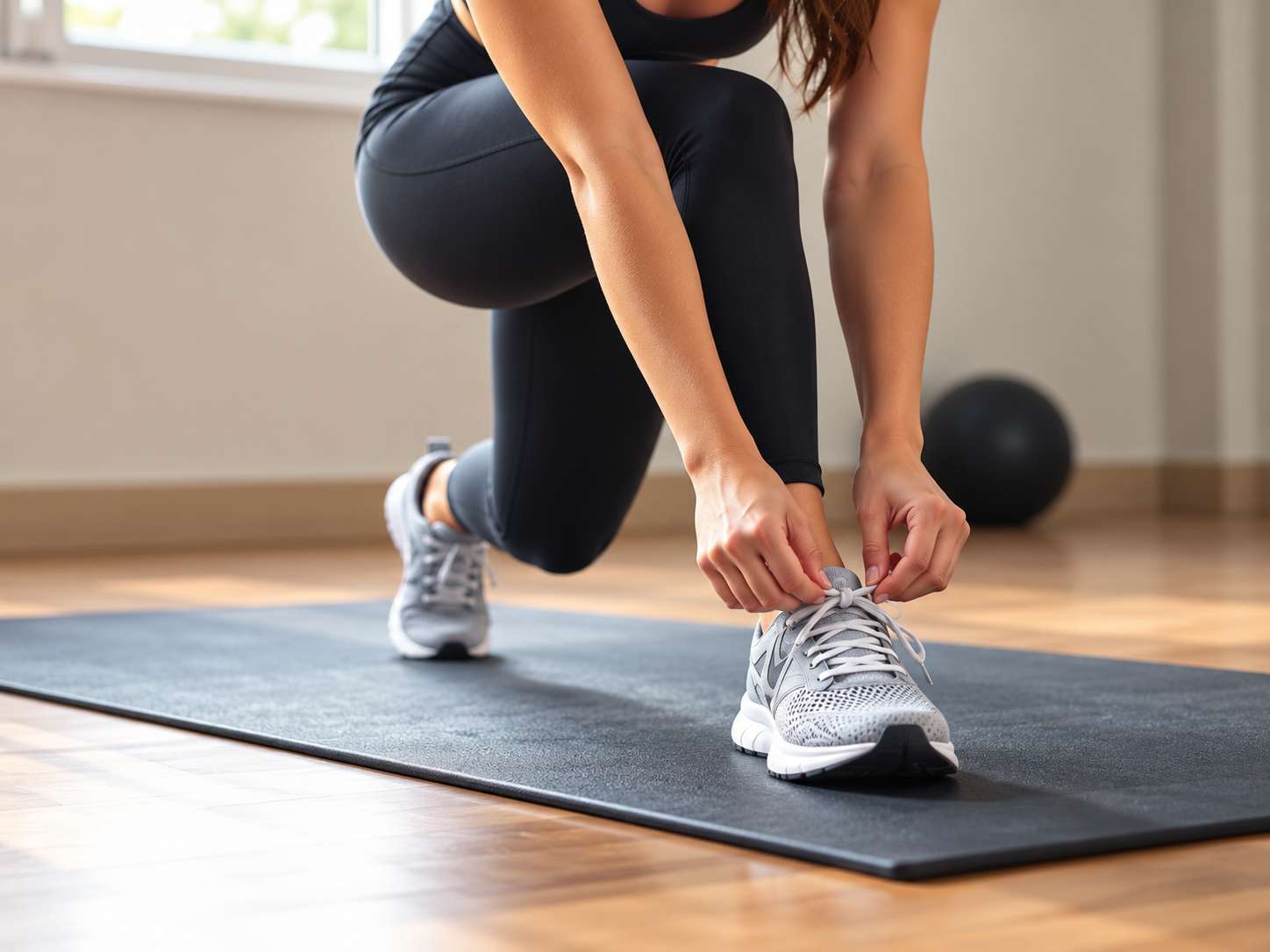
For runners and jumpers, impact matters. Leaking during sprints, jumps, or long runs is common enough that some people normalize it, but common does not mean ideal. It can signal that the pelvic floor, hips, trunk, training volume, or recovery needs attention. Reducing impact temporarily, building strength, improving cadence, or working with a pelvic health professional may help depending on the cause.
A basic awareness drill starts with breathing. Lie on your side or back, inhale gently and notice the rib cage expand, then exhale and feel the lower abdomen and pelvic floor respond without forcing. A contraction can be imagined as lifting and closing the muscles around the openings, but relaxation is equally important. After a squeeze, let go fully. If you cannot relax, more squeezing may not be the right first step.
When to Adjust or Seek Support
Pelvic floor function also connects to program design. If your workouts include heavy leg work or demanding core training, the article on cool-down routines for strength and cardio can help you include breathing and mobility work after sessions rather than ending every workout abruptly.
Mistake one is treating leaking as the price of being athletic. Mistake two is avoiding all exercise out of fear. The safer middle path is to adjust the task. That might mean lowering load, reducing jumps, changing stance, shortening stride, adding rest, or practicing exhale timing during effort. The goal is not to make training tiny. The goal is to make symptoms guide better progression.
For postpartum women, guidance should be individualized. ACOG’s patient FAQ on exercise after pregnancy notes that Kegel exercises help tone pelvic floor muscles and that muscle-strengthening activity can be part of postpartum exercise. Medical clearance and symptom-based progression are especially important after birth or pelvic surgery.
Active women should also watch for signs that need help: pelvic heaviness, bulging sensation, pain with exercise, pain with sex, frequent urgency, repeated leaking, or symptoms that worsen as workouts get harder. These are not failures. They are information. A pelvic floor physical therapist, urogynecologist, obstetrician-gynecologist, or qualified clinician can assess strength, relaxation, coordination, and pressure strategies.
A Practical Symptom Audit
If you are rebuilding general fitness after symptoms, compare training environments in bodyweight vs gym workouts for beginners so you can choose lower-pressure movements first and scale gradually when control improves.
A balanced pelvic floor routine may include breathing drills, gentle contractions, full relaxation, hip strength, glute work, core coordination, and gradual return to impact or load. The exact mix depends on symptoms and goals. More repetitions are not always better. Quality, comfort, and the ability to relax afterward matter.
Breathing strategy is a useful starting point because it can be practiced during easy movements before harder training returns. During a lift, some women do well with a gentle exhale through effort. Others need specific bracing strategies for heavier loads. The right approach depends on the movement, symptoms, training history, and medical context.
Language matters too. Pelvic floor symptoms should not be used to shame active women or push fear-based advice. Strong women can have symptoms. Beginners can have symptoms. Postpartum women, runners, lifters, and desk workers can all need support. The goal is better information, not less ambition.
Core training should be symptom-aware. Exercises such as planks, dead bugs, carries, and Pilates-style movements can be useful, but only when pressure is controlled. If symptoms appear during a move, reduce the lever, shorten the set, change breathing, or pause the exercise. Harder is not better when coordination is missing.
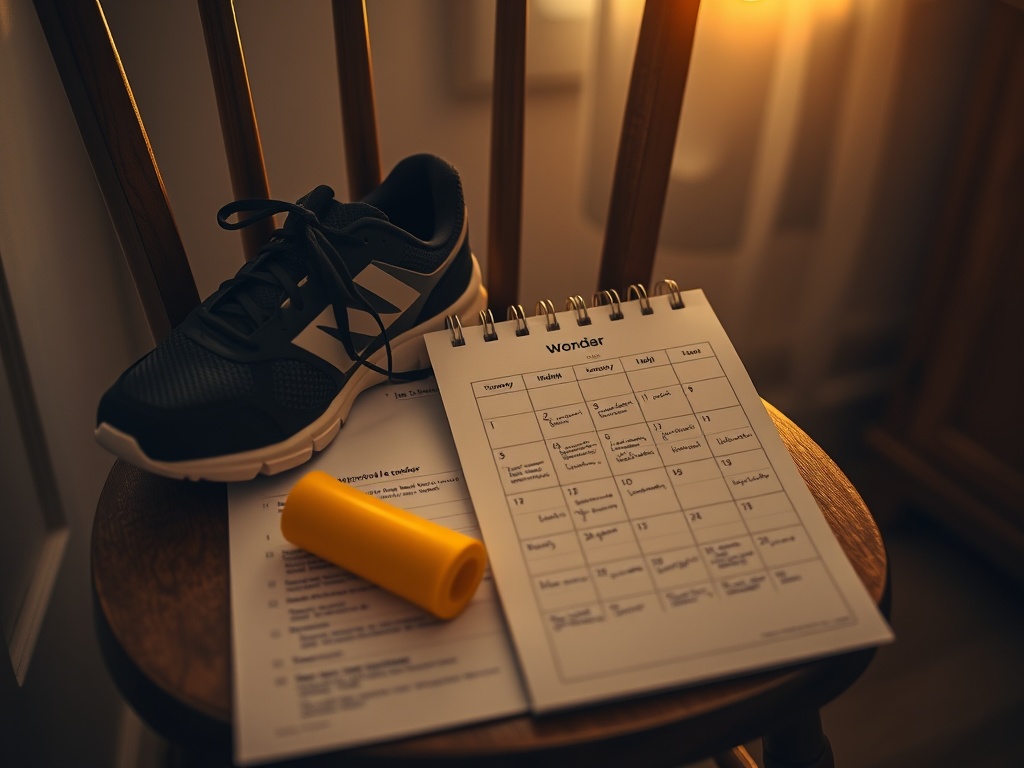
The most useful next step is a symptom audit. Write down when symptoms appear, which exercises trigger them, how fatigue changes them, and whether rest helps. Then adjust one variable at a time. If symptoms persist, seek qualified support. Pelvic floor health belongs inside active training, not in a separate box that only gets attention after problems become hard to ignore.