Walking Programs for Seniors: How to Build Stamina Gradually
A walking program for seniors should build stamina gradually by starting below the current comfort limit and adding time, frequency, or pace in small steps. The safest plan includes easy walking, rest days, strength work, balance practice, and attention to symptoms.
TL;DR: Begin with a walk you can finish comfortably, even if it is only 5 to 10 minutes. Add a few minutes per week, keep the route safe, use supportive footwear, and include balance and strengthening activities to support independence.
Start Below the Comfort Limit
Walking is one of the most accessible forms of physical activity, but a good senior walking program is still a program. It has a starting point, progression, recovery, and safety checks. The first goal is not speed. It is repeatability. A walk that leaves someone exhausted, sore for days, or nervous about falling is too aggressive. A walk that feels comfortable enough to repeat builds confidence and capacity.
The CDC older adult activity overview recommends aerobic, muscle-strengthening, and balance activities for adults 65 and older. Walking can support the aerobic part of that picture, while strength and balance work help protect the ability to keep walking safely.
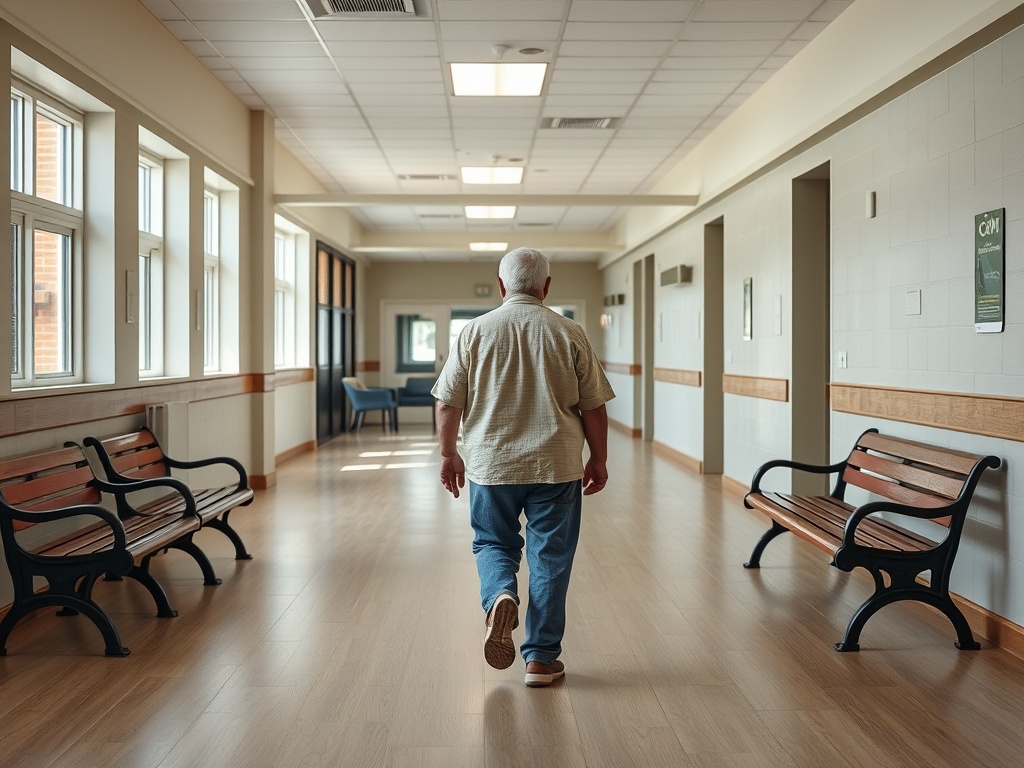
Start with a baseline walk. Choose a flat, familiar route or an indoor space such as a mall, hallway, community center, or track. Walk at a pace where conversation is possible. Stop before fatigue changes posture or foot clearance. Record the total time, how hard it felt, and how you felt later that day. This baseline is more useful than a step-count goal copied from someone else.
Routes, Safety, and Weekly Progress
A simple four-week starter plan might begin with 5 to 10 minutes, three or four days per week. If that feels easy, add 2 to 5 minutes to one or two walks the next week. If it feels hard, repeat the same week. Progression is not a race. Stamina grows when the body receives a challenge it can recover from. Soreness, dizziness, chest pain, unusual shortness of breath, or new joint pain should not be ignored.
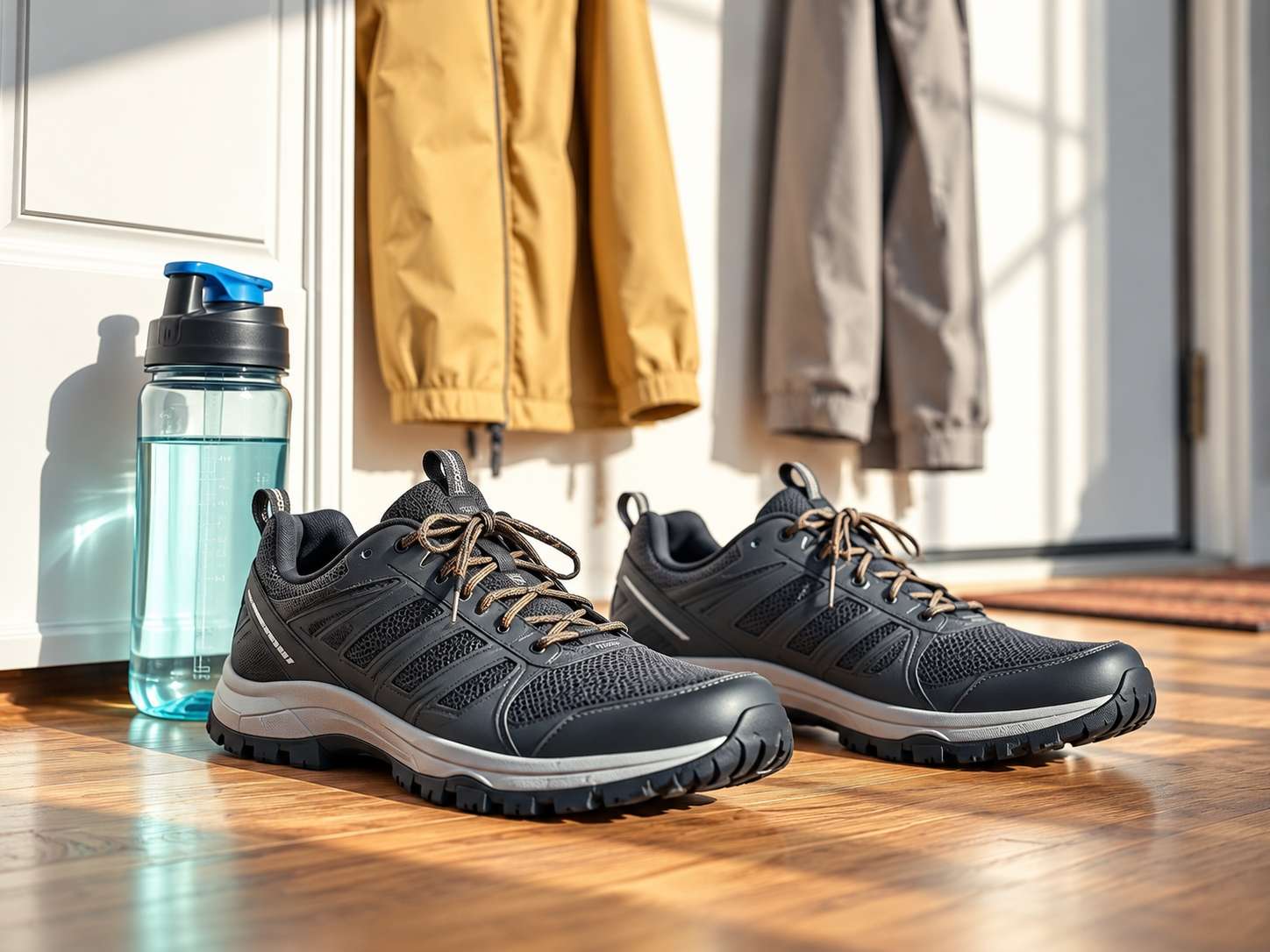
Route design matters. Pick even surfaces, good lighting, available benches, and low traffic. In hot weather, walk earlier or indoors. In cold or wet conditions, avoid slippery areas. Carry identification, water if needed, and a phone when walking alone. People with balance concerns may benefit from walking with a partner, using a prescribed assistive device, or choosing supervised environments.
Strength and Balance Support
Cool-down habits can make walks feel more controlled. The article on cool-down routines after strength and cardio sessions offers simple ways to lower intensity and stretch gently after movement, which can be adapted for walking days.
Walking pace can improve later. In the beginning, time and consistency matter more. Once regular walks feel comfortable, add variety. Try one slightly longer walk each week, a route with mild inclines, or short intervals where pace increases for 30 to 60 seconds before returning to normal. These changes should feel manageable, not breathless or risky.
Strength work supports stamina because walking depends on hips, legs, feet, and posture. Chair sit-to-stands, wall push-ups, heel raises, step-ups, and gentle rows can help when performed safely. Balance practice may include tandem stance, single-leg support with a stable counter nearby, or slow weight shifts. People with medical conditions, falls history, or pain should ask a clinician or qualified exercise professional for individualized guidance.
Some seniors may prefer a very simple app or reminder system, but structure should never become confusing. The guide to workout apps for beginners who need structure can help families choose tools that support walking without adding noise, alerts, or unnecessary pressure.
A Steady First Week
Common mistakes include increasing distance too quickly, choosing unsafe routes, ignoring footwear, and walking only on “good” days until the habit disappears. Another mistake is treating a missed week as failure. After illness, travel, or a flare-up, restart at a lower level. The body responds better to a respectful return than to forcing the old target immediately.
Progress can be measured in more ways than distance. Notice if stairs feel easier, if recovery is faster, if posture stays tall longer, or if a familiar route requires fewer stops. These are meaningful markers for stamina and confidence. Step counts can help some people, but they should not replace body feedback.
Family members and caregivers can support the plan by making the environment easier. Offer company without rushing the pace, help identify safer routes, and celebrate consistency rather than speed. A walking program works best when it protects dignity and independence, not when it feels like a test.
Foot care is part of the plan. Check for blisters, pressure spots, toenail discomfort, or swelling after walks, especially for people with diabetes, circulation issues, or reduced sensation. Socks, shoe fit, and route surface can change comfort dramatically. Small foot problems can stop an otherwise good walking habit if ignored.
Medication changes, recent illness, surgery, or new balance concerns should change the starting point. A shorter walk with supervision may be the right first step. The program should fit the person in front of it, not a generic chart, and it should preserve confidence safely.
A senior walking program should make daily life feel more manageable. The next step is to choose three walking days this week, select a safe route, and set a time goal that feels almost too easy. After two weeks, review comfort, recovery, balance, and confidence. Add time only when the current plan feels steady.