Bodyweight vs Gym Workouts: Which Is Better for a Beginner?
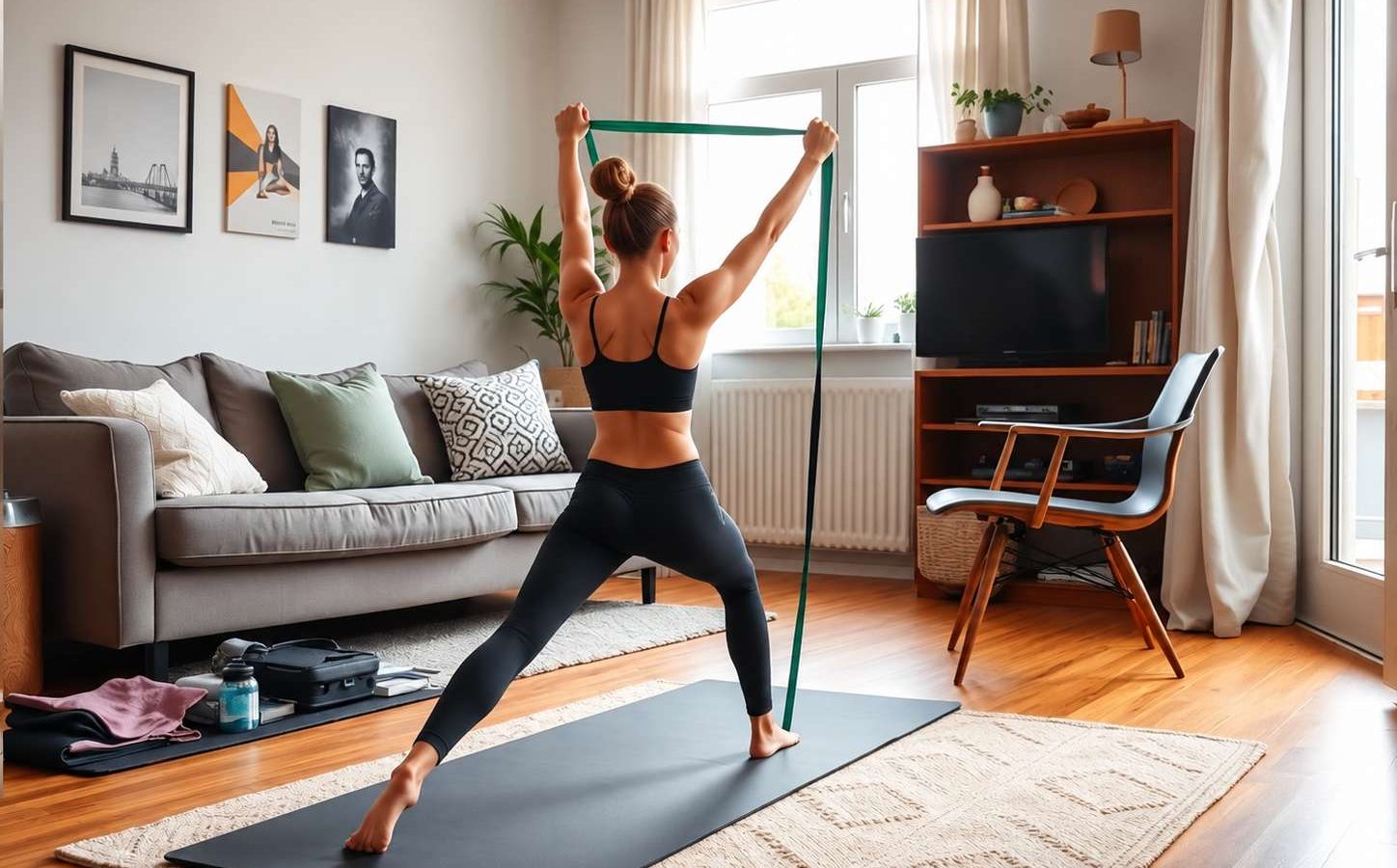
Bodyweight workouts are usually the simplest starting point for a beginner, while gym workouts become useful once you want heavier resistance, more exercise variety, or clearer strength progression. The better choice is the one you can perform safely and repeat consistently for several weeks.
TL;DR: Start with two or three short full-body sessions a week. Use bodyweight training if access, confidence, or cost is the main barrier. Choose a gym if you want adjustable resistance, machines that guide movement, and a wider path for progressive overload.
Why Beginners Need Less Friction
For a beginner, the question is not which method looks more serious. It is which setting removes the most friction. Bodyweight training can be done at home, in a hotel room, or in a park, so it works well for people still building the habit of showing up. Gym training gives you dumbbells, cables, machines, and benches, which can make it easier to train the back, legs, and pulling muscles with enough challenge. Both can support better fitness when the program matches your current ability.
Public health guidance supports a mixed routine that includes both aerobic activity and muscle-strengthening work. The CDC adult activity recommendations list 150 minutes of moderate-intensity activity each week and muscle-strengthening activity on 2 days. That guideline does not require a gym, but it does remind beginners that strength work is part of a balanced plan, not an optional extra.
Bodyweight workouts are strongest when the goal is confidence, coordination, and basic control. Squats, wall push-ups, incline push-ups, step-ups, glute bridges, dead bugs, planks, and split squats teach you how to brace, balance, and move through common patterns. They also let you stop a set quickly when form changes. The limitation is progression. Once a movement becomes easy, you need harder variations, slower tempo, pauses, extra range of motion, or external load.
How Each Option Progresses
Gym workouts are strongest when the goal is measurable progression. A beginner can start with leg presses, cable rows, dumbbell presses, assisted pull-downs, and light Romanian deadlifts, then add small amounts of weight over time. Machines can reduce balance demands, which helps some people focus on the working muscles. The limitation is that gyms can feel noisy, crowded, or intimidating, and a beginner may waste time switching machines instead of learning a small group of reliable movements.
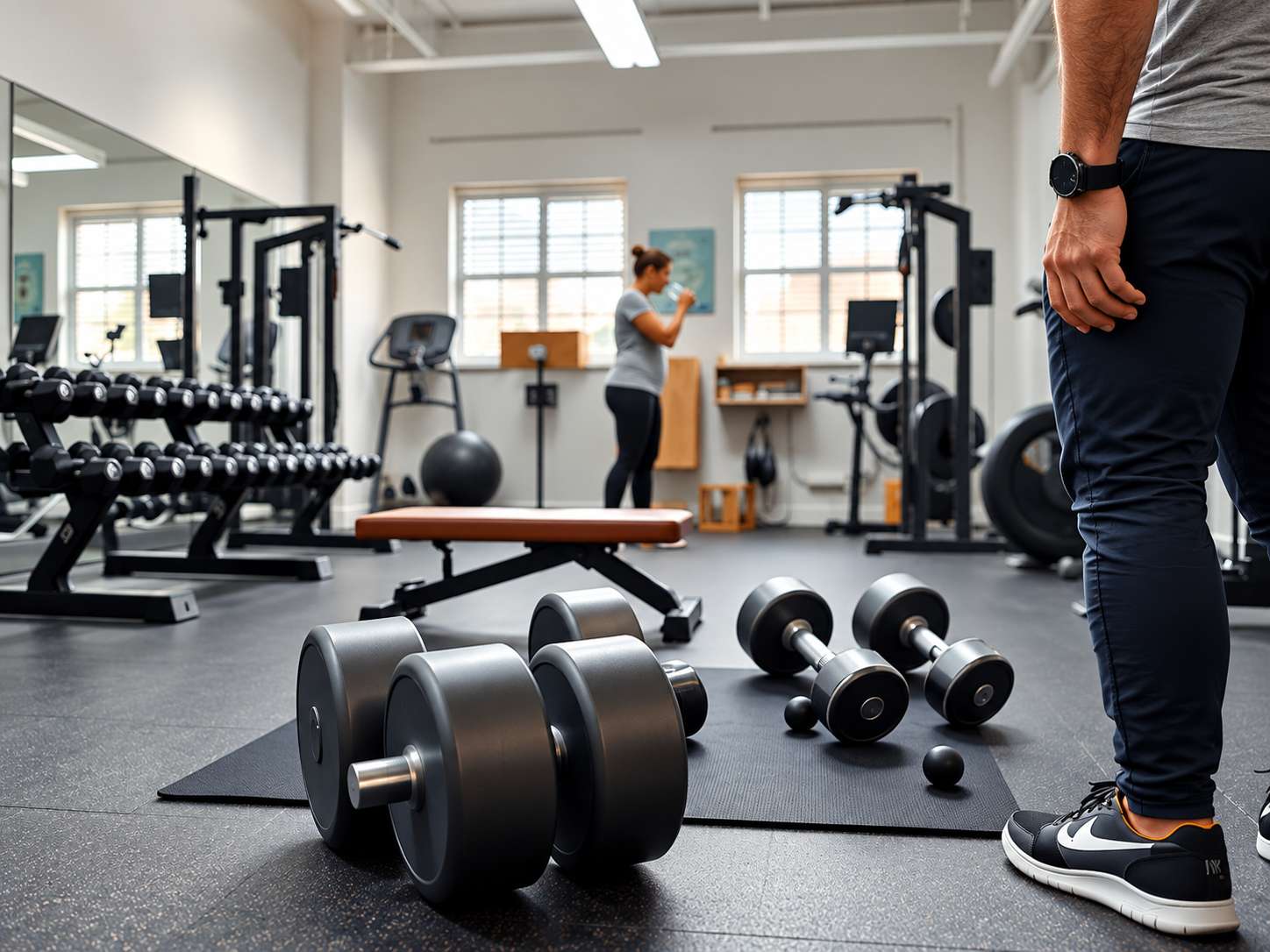
Use this simple decision table before choosing your first month of training: if you miss workouts because travel or schedule changes interrupt you, bodyweight wins. If you stop because exercises become too easy, the gym wins. If joint discomfort appears during floor movements, machines or dumbbells may offer better angles. If confidence is the barrier, a quiet home circuit may be the right opening move. The choice should solve the real obstacle, not follow a trend.
Choosing the Right First Month
Beginners often improve fastest when they use a repeatable structure instead of chasing novelty. A practical starting routine might include squats or leg presses, push-ups or chest presses, rows or band pulls, hip hinges, core control, and a short walk. For a deeper weekly layout, a beginner can pair this article with how to build a workout routine you can stick to so training days fit real calendars instead of ideal ones.
Common mistakes differ by setting. At home, people often pick exercises that are too advanced, such as floor push-ups before they can control an incline version. At the gym, people often test random machines, copy someone nearby, or increase weight before learning the path of motion. In both settings, soreness is a poor scoreboard. A useful session should leave you feeling worked, not wrecked, and able to repeat training within a few days.
If strength training feels confusing, it helps to understand movement categories. The related guide on compound vs isolation exercises explains why beginners usually need large movement patterns first, then smaller targeted exercises later. That distinction is useful in a gym and at home because it prevents a routine from becoming a pile of unrelated moves.
Progress markers should be simple during the first 6 to 8 weeks. Track how many sessions you complete, which version of each exercise you used, and how hard the final two repetitions felt. A bodyweight beginner might move from chair squats to deeper squats, then to split squats. A gym beginner might move from two sets to three sets before adding load. These are measurable outcomes, not guesses about motivation.
Simple Trial Plan
For a first month, choose a version of each movement that lets you finish with two or three good repetitions left in reserve. That might mean wall push-ups instead of floor push-ups, box squats instead of deep squats, or a light leg press instead of a barbell squat. Leaving a small buffer is not laziness. It gives the joints, tendons, and nervous system time to adapt while you learn technique.
A simple weekly review keeps the plan honest. Ask what made training easier, what made it harder, and which exercise felt most controlled. If the answer is access, stay with bodyweight. If the answer is load, try the gym. If the answer is uncertainty, keep the same routine for another week before changing anything.
Choose bodyweight training if you need privacy, low cost, and fewer decisions. Choose gym training if you want equipment, heavier resistance, and clearer loading options. A smart beginner can also combine both: gym twice a week for strength, bodyweight mobility or core work once a week at home. The useful next step is to choose one plan for four weeks, write down each session, and change only one variable at a time.