How to Build a Workout Routine You Can Stick To During Busy Seasons
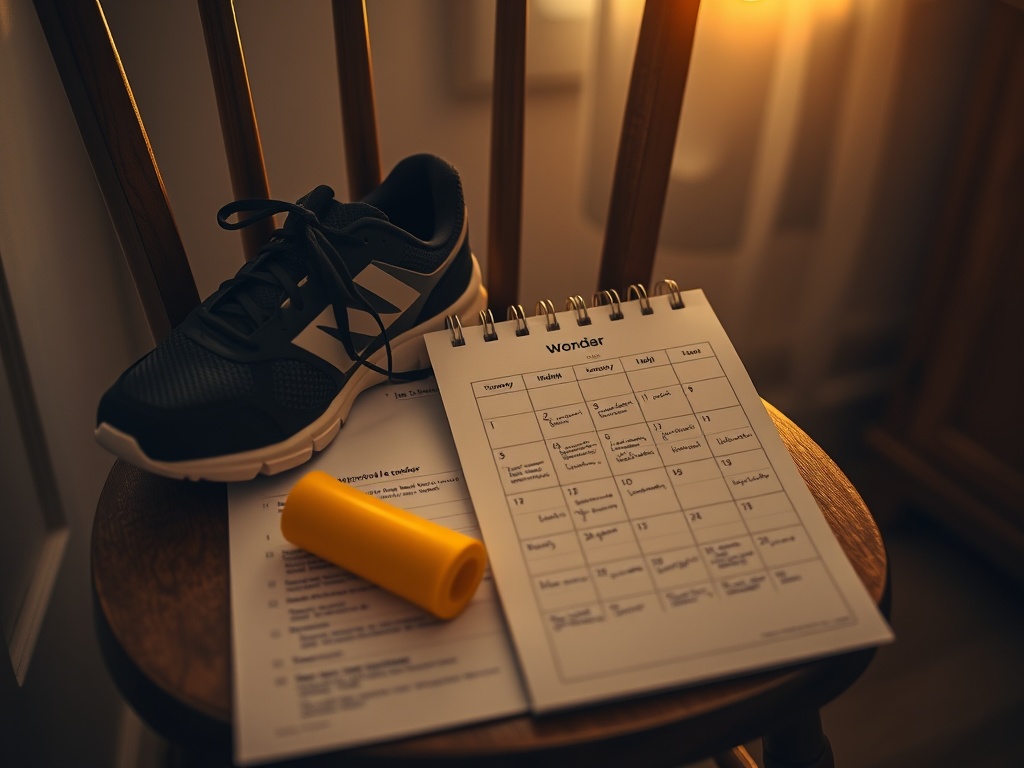
The best workout routine during a busy season is smaller, clearer, and easier to restart than your ideal routine. Build it around minimum effective sessions, flexible scheduling, and exercises you can repeat without needing perfect conditions.
TL;DR: Choose two non-negotiable training days, one optional movement day, and a backup session that takes 10 to 15 minutes. Track completion first, then improve volume or intensity when the season calms down.
Anchor Days Before Ideal Plans
Busy seasons expose routines that depend on perfect timing. A plan that works only when work is calm, sleep is strong, meals are prepared, and the gym is empty is not a routine. It is a best-case scenario. A more reliable plan starts with the week you actually have. That means fewer exercise choices, shorter sessions, and a clear rule for what counts as success when time is tight.
General activity guidance still matters, even in busy periods. The CDC adult physical activity overview recommends weekly aerobic activity plus muscle-strengthening work. During demanding weeks, use that as a compass, not a guilt trigger. The goal is to keep a thread of movement alive until your schedule opens up again.
Start by selecting your anchor days. These are the two sessions most likely to happen. Put them where your week has the least friction, not where a perfect plan would place them. If Monday always becomes chaotic, stop pretending Monday is your reset day. If Friday evenings collapse, use a lunch break or Saturday morning. A good schedule is honest before it is ambitious.
The Three-Tier Session Method
Then define the minimum session. For strength, that might be one lower-body movement, one push, one pull, and one core exercise. For cardio, it might be a 20-minute brisk walk, bike, or row. For mobility, it might be five movements done slowly. Minimum does not mean meaningless. It means the session is small enough that you can do it when motivation is average.

Use a three-tier plan. Tier one is the full session, such as 45 minutes. Tier two is the compressed session, such as 25 minutes. Tier three is the save-the-habit session, such as 10 minutes of bodyweight squats, incline push-ups, rows with a band, and walking. When life changes, you do not skip automatically. You choose the tier that fits the day.
Protecting Energy During Busy Weeks
Exercise selection matters when time is short. The comparison of bodyweight vs gym workouts can help you choose a routine that works at home, in a hotel, or in a gym without rebuilding your plan every week.
Busy people often overvalue intensity and undervalue predictability. A brutal workout done once every 10 days is less useful than a moderate plan done twice a week. Keep effort at a level that lets you function afterward. If training makes the rest of the week harder, it will be the first thing removed from the schedule. A routine must respect your energy budget.
Weight goals need the same realism. If body composition is part of your reason for training, pair exercise planning with sustainable weight loss habits instead of trying to compensate for missed workouts with extreme sessions.
Common mistakes include changing the plan every Monday, relying on motivation, and refusing to count short sessions. Another mistake is scheduling workouts at your most exhausted hour. It may be better to train before checking messages, during a protected lunch block, or immediately after school drop-off. The exact time matters less than the cue that starts the behavior.
Restart Rules That Work
Make restarting easy. Keep shoes visible. Save two workouts in your notes app. Pack a gym bag before bed. Use recurring calendar blocks. Write a rule for missed sessions, such as: if I miss two days, I do the 10-minute session the next morning. This removes negotiation, which is where many routines quietly disappear.
Use cues instead of motivation. A cue can be closing the laptop, putting on shoes after brushing teeth, or starting a workout immediately after school drop-off. The cue should be visible and repeatable. Motivation changes with sleep, stress, and workload. A cue reduces the number of decisions between daily life and the first set.
Busy seasons also require permission to maintain. If your normal routine is four workouts and the current season allows two, two is success. Holding the habit line prevents the later restart from feeling like a complete rebuild. Fitness often grows through these maintenance blocks because they teach you how to stay connected when conditions are not ideal.
The plan should also name what you will not do. During a demanding month, you may stop testing one-rep maxes, adding extra finishers, or starting a complex new program. Removing extras protects the core habit. Busy-season fitness is not about doing everything. It is about keeping the most important pieces alive.
Protecting the core habit also means making workouts easy to begin. Open the app, write the first exercise, fill the water bottle, or walk for five minutes. Starting rituals lower resistance. Once the first action is complete, the rest of the session often feels less negotiable.
Your busy-season routine should leave you feeling stable, not behind. Pick two anchor days for the next month, write one full session and one backup version, and track only completed sessions for the first two weeks. After that, improve one variable: add a set, add five minutes of cardio, or increase load slightly. The routine that survives pressure is the one worth building on.