Apartment Gardening Ideas for Balconies and Windowsills
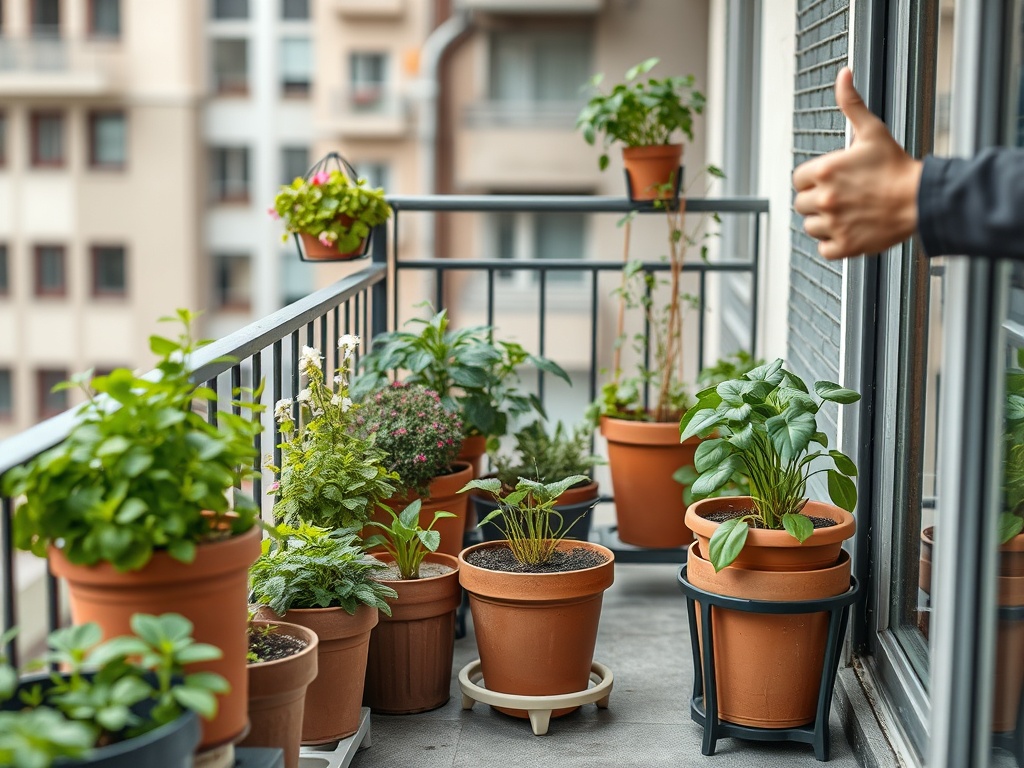
Apartment gardening works best when you match plants to the light, wind, weight limits, drainage, and maintenance realities of a balcony or windowsill. Start with a few containers that have drainage, use potting mix rather than garden soil, choose plants suited to the actual sun exposure, and plan how you will water without sending runoff onto neighbors or damaging the building.
Small-Space Growing Starts With Site Reading
TL;DR: Observe light before buying plants, confirm building or lease rules, choose stable containers with drainage, use lightweight potting media, group plants by similar water needs, and keep access paths and balcony drains clear. Herbs, leafy greens, compact vegetables, flowers, and many houseplants can work in small spaces when their specific light and temperature needs are met.
Balcony and windowsill microclimates can be demanding. Upper floors may be windy, glass can intensify heat, and overhangs or indoor glazing can reduce usable light.
The first gardening task is observation. Note where direct sun falls, how long it stays, whether nearby buildings create shifting shade, and where wind funnels through railings or corners.
Check Rules, Loads, and Drainage Before Adding Containers
Review lease, condominium, or building rules before mounting planters, drilling into walls, hanging baskets over railings, or installing irrigation. Some properties restrict what can project beyond a balcony, how water runoff is handled, or how much weight can be concentrated in one area.
Container weight includes the pot, wet growing media, mature plant, support structure, and stored water. If you plan large or numerous containers, confirm structural limits with the appropriate building authority or qualified professional. Illinois Extension notes that exposed balconies and rooftops can have stability and weight considerations; its container-size guidance is a useful reminder that pot selection affects both plant care and physical stability.
Every container used for conventional potting should allow excess water to drain. At the same time, drainage must be managed so it does not stain surfaces, create slip hazards, or drip onto property below.
Pick Containers for Roots and Maintenance
Small pots fit tiny spaces, but they also dry faster and can become top-heavy as plants grow. Larger containers provide more root volume and often buffer moisture changes better, though they weigh more and take up more room.
Choose shape as deliberately as material. A broad, stable base is useful in windy locations. Window boxes should be mounted with hardware and methods suitable for the structure; do not improvise attachments to railings or exterior surfaces.
Use a quality potting mix intended for containers rather than digging soil from a yard. Container media is formulated for drainage and air movement and is typically lighter. University of Minnesota Extension’s small-space container gardening guidance emphasizes drainage, potting mix, light, watering, and vertical growing as core considerations.
Choose Plants by Light Rather Than Wishful Thinking
For outdoor balconies, sun-loving herbs and fruiting vegetables need substantial direct light, while some leafy greens and ornamentals tolerate more shade. Instead of choosing a plant first and trying to force the site to suit it, choose from plants that match the exposure you actually have.
On windowsills, light intensity drops as you move away from the glass. Rotate containers when uneven growth becomes obvious, but do not assume rotation can compensate for chronically inadequate light. If supplemental grow lighting is considered, use equipment designed for the purpose and follow electrical and manufacturer safety instructions.
Season matters too. A windowsill that is bright in winter may be shaded by a tree in summer, while a balcony can become much hotter once the seasonal sun angle changes.
Build a Compact Edible Garden Around Frequent Use
Herbs are practical because a few containers can support regular harvesting without needing a large yield. Basil, parsley, chives, thyme, mint, and other herbs have different light, water, and growth habits, so check individual requirements. Mint is often easier to manage in its own container because of its spreading habit.
Leafy greens can suit containers when temperatures and light are appropriate. Compact tomatoes, peppers, or other fruiting crops may work in larger containers with adequate support and sun, but cultivar size and container volume matter.
Do not overcrowd because the seedlings look small at planting time. Mature spacing affects airflow, water demand, and access. A smaller number of well-sited plants is often easier to maintain than a packed display.
Use Vertical Space Without Creating a Falling Hazard
Trellises, wall-mounted systems where permitted, freestanding shelves, and hanging containers can add growing area. The limiting factor is stability. A tall shelving unit on a windy balcony should not be treated like indoor furniture.
Keep heavier pots low, secure supports appropriately, and avoid blocking required exits, windows, drainage points, or building equipment. If the garden shares space with seating, preserve a clear path rather than allowing plant stands to turn the balcony into an obstacle course.
Indoor storage principles can help. Kitchen storage ideas that add space without renovation show how vertical zones and task-based organization improve access; use the same logic for watering cans, pruners, potting mix, and plant supports.

Make Watering Easy Enough to Do Consistently
Containers can dry quickly, especially in sun and wind. Group plants with similar moisture needs so one watering routine does not overwater one plant while neglecting another. Check the potting mix rather than watering only by calendar.
Water thoroughly enough to moisten the root zone and allow excess to drain, then empty standing water from saucers when appropriate. For indoor plants, protect sills, floors, and walls from repeated moisture. For balconies, use saucers or controlled watering methods that comply with building rules and prevent runoff problems.
Keep watering equipment out of walkways and preserve access around balcony doors; the same circulation logic appears in living room layout ideas that improve flow.
Design for Heat, Wind, and Short Absences
Wind increases water loss and can damage foliage or topple containers. Use stable pots, sheltered placement, and supports suited to the plant. Avoid tying stems so tightly that normal growth is restricted.
Hot reflective surfaces can raise stress around roots and leaves. Moving sensitive containers back from intense reflected heat, using an appropriate container material, or providing temporary shade may help depending on the plant.
If you travel, do not assume a tiny pot will remain moist for several days. Before leaving, group plants in suitable conditions, water appropriately, and arrange reliable care or a tested irrigation method. Test any self-watering system before depending on it during an absence.
Keep the Garden From Taking Over the Apartment
Set a boundary for supplies. One lidded bin, shelf, or cabinet zone can hold gloves, ties, labels, hand tools, and small bags of amendments. Store fertilizers and pesticides according to labels and away from children, pets, food, and unsuitable temperatures.
When containers multiply, clutter can become the limiting factor rather than growing skill. The decision framework in decluttering by category versus by room can help you reduce duplicate pots, old trays, unused tools, and half-empty products before buying more.
Grow a Small Garden That Fits the Site
Begin with two or three containers matched to the light you actually have. Learn how quickly they dry, how the wind behaves, and where runoff goes. Add plants only after the first group is easy to maintain. A compact garden that stays healthy and leaves room to move is more useful than a crowded balcony built around plants the site cannot support.
Apartment-gardening information is general and educational. Building rules, structural loads, climate, plant suitability, pesticide regulations, irrigation restrictions, and balcony safety vary; follow lease or association requirements and consult qualified professionals when structural or safety questions arise.[/