Stadium Seating Guide: What to Know Before You Pick a Section
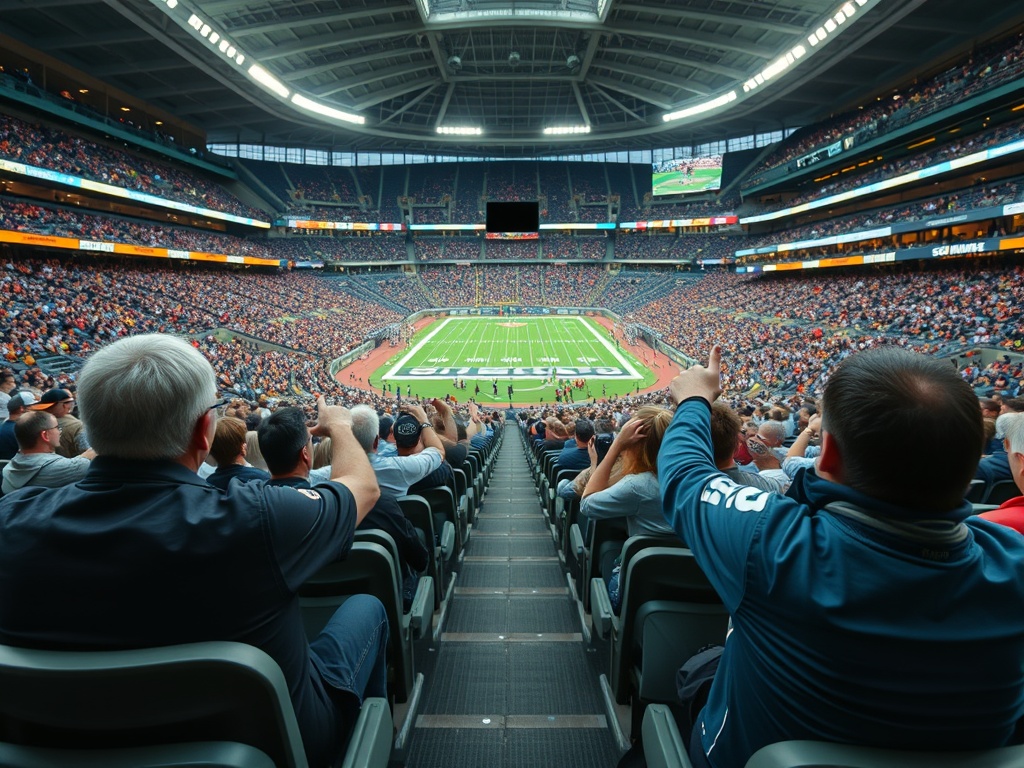
The best stadium section depends on what you value most: view, atmosphere, comfort, access, shade, price, or proximity to players. Before buying, compare sightlines, entry logistics, weather exposure, accessibility needs, and the type of event experience you want.
TL;DR: Key Takeaways
- Lower is not always better; angle and elevation often matter more than closeness.
- Check official venue guidance for accessibility, bag rules, entry gates, and fan conduct before event day.
- Choose seats based on your group’s priorities, not only the cheapest or most famous section.
For venue planning, compare your ticket choice with official information such as FIFA stadium guidelines and event-specific accessibility pages like the NFL London Games accessibility guide.
Start with the experience you want
A great seat for one fan can be a poor seat for another. Some fans want tactical perspective. Some want player proximity. Some want supporter-section energy. Families may need easier exits, shade, restrooms, or quieter corners. Travelers may prioritize transport and entry gates. The right section starts with the experience, not the map price.
Official venue and league materials are worth checking because stadium policies change. FIFA’s stadium guidelines address safety and venue operations at a broad level, while event-specific accessibility guides, such as NFL guidance for international games, show how details can vary by venue and date. Always confirm the current event page before assuming rules about bags, mobility access, re-entry, or assistive services.
Sightlines: why angle beats pure closeness
Close seats are exciting, but they can flatten the field. In soccer, football, and rugby, a slightly elevated sideline seat often gives a better view of shape, spacing, and substitutions. Behind-the-goal seats can be atmospheric and excellent for attacking moments near that end, but they make far-side action harder to judge. In baseball, seats near the infield give detailed views of pitching and fielding, while outfield seats change the experience toward atmosphere and home-run chances.
For fans studying technique, choose an angle that matches the skill. Tennis fans who want to watch footwork and racket preparation may prefer side-on or corner views. That pairs well with equipment learning, such as how racket choice changes with skill and style.
Atmosphere, noise, and supporter sections

Atmosphere can be the main reason to attend live sport. Supporter sections, student sections, and rivalry games can create a memorable experience. They can also mean standing, chanting, drums, flags, limited sitting, or intense language. None of that is automatically good or bad; it depends on your group.
If you are attending with children, older relatives, or guests who prefer a calmer day, choose sections away from the loudest organized groups. If you want to feel the pulse of the event, sitting near energetic fans may be the whole point. Stadium etiquette still applies: do not block views unnecessarily, follow staff instructions, and respect fan conduct policies.
| Priority | Seat direction to consider | Trade-off |
|---|---|---|
| Best tactical view | Elevated sideline or center | Less player proximity |
| High atmosphere | Supporter or student-adjacent areas | More noise and standing |
| Family comfort | Aisle, shade, restroom access | May cost more |
| Player proximity | Lower rows near benches or warm-up areas | Flatter view |
| Budget value | Upper center or less premium rows | Farther from action |
Comfort, access, and weather exposure
Comfort is not a luxury detail. It shapes the whole day. Check whether seats are covered, exposed to sun, near aisles, close to restrooms, or far from concessions. For day games, sun direction can matter more than row number. For cold or rainy events, covered sections may be worth the added cost. For long events, aisle seats can help groups who need breaks.
Accessibility should never be an afterthought. Fans who need wheelchair spaces, companion seating, assistive listening, elevators, sensory rooms, or accessible parking should use official venue information rather than third-party summaries. Contact the venue if anything is unclear. Good planning keeps the day focused on the event, not avoidable logistics.
Price: where value often hides
The best value seats are often not the cheapest seats, but the seats that match your priorities at a fair price. Upper-level midfield or center-court views can be better for tactics than expensive low corners. Weeknight games, early rounds, less famous opponents, or seats a few rows higher than premium zones can offer strong value. Avoid rushing into resale purchases before comparing official inventory and fee totals.
If the event is part of a larger trip, budget for transport, food, parking, weather gear, and time. A cheap ticket can become expensive if the section creates long walks, poor transit options, or missed connections. For fans interested in how live attendance connects to identity and community, sports marketing campaigns and fan communities explains why the in-venue experience matters beyond the seat itself.
A simple seating decision checklist
Before buying, answer six questions. What do we want to see best? How much noise and standing are acceptable? Who needs easy access? What is the weather risk? How will we arrive and leave? What is the all-in price after fees? If a seat fails two or more of those questions, keep looking.
Also check the view from seat tools when available, but treat them as approximations. Camera height and lens width can make a section look different from real life. Reviews from fans can help, but official maps and current venue rules should settle practical questions.
Special cases: children, first dates, and business guests
Different groups change the seating calculation. With children, prioritize exits, restrooms, shade, food access, and sections where standing is less likely to block the view. For a first date or casual social outing, choose comfort and conversation over the loudest section unless both people want that intensity. For business guests, select seats that balance view, hospitality access, and predictable logistics, because a difficult entry or poor sightline can overshadow the event.
Also consider the end of the game. Seats near exits can save time, but leaving early may mean missing decisive moments. If the event has a high-traffic finish, decide in advance whether your group values a smooth exit or staying through the final whistle, buzzer, point, or out. Planning that trade-off reduces frustration when the crowd moves at once.
Choose the section that fits your day
The best stadium seat is the one that supports your actual plan. A tactical fan, a family, a first-time visitor, and a die-hard supporter may all choose different sections at the same event and all be right.
For the next step, shortlist three sections and score each from one to five on view, atmosphere, access, comfort, and price. If your event group also plays or watches esports, communication in squad-based games offers a useful contrast between live crowd communication and team communication under pressure.