Meal Prep for Busy People Who Want to Eat Better All Week
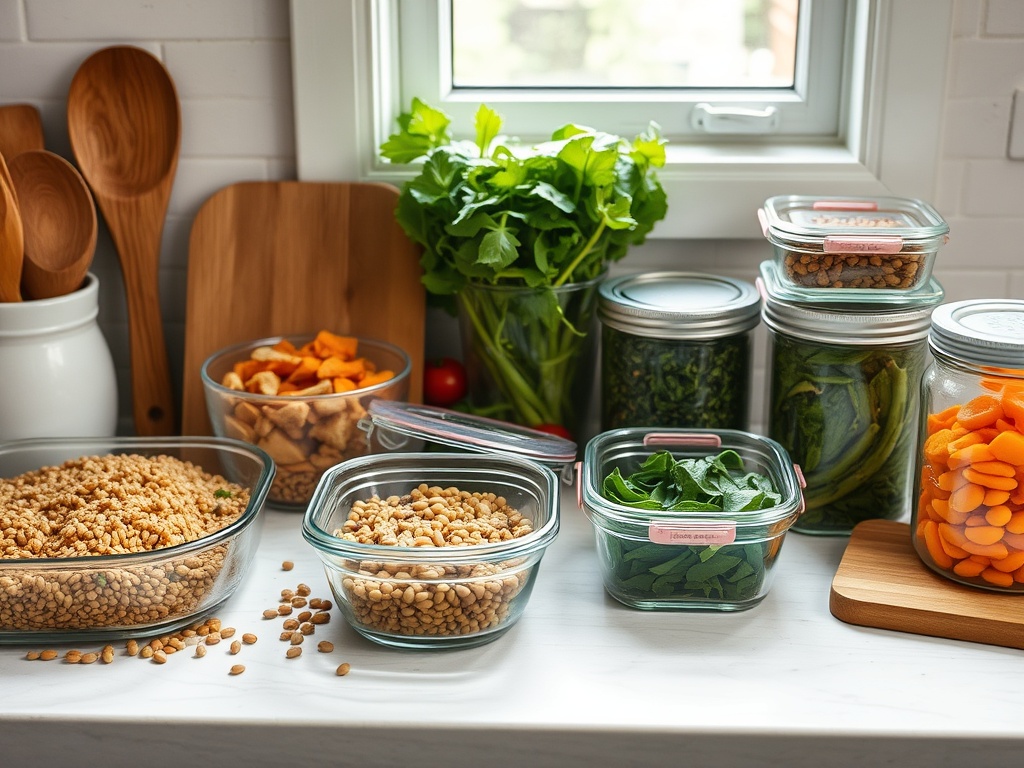
Meal prep works best when it reduces weekday decisions, not when it tries to turn Sunday into a marathon cooking project. The goal is to prepare flexible ingredients, simple meals, and fallback options that make better eating easier when time and energy are low.
TL;DR: Choose two proteins, two vegetables, one or two grains or starches, and a few sauces or toppings. Prep enough for the busiest meals first, keep portions realistic, and leave room for fresh food so the week does not feel repetitive.
Build Meals From Flexible Parts
Busy people do not usually fail at meal prep because they lack ambition. They fail because the plan assumes too much time, too many containers, and too much enthusiasm for the same meal four days in a row. A better approach starts with your real week. Look at the meals most likely to collapse into takeout, skipped lunches, or random snacking. Prep those first instead of trying to control every bite from Monday morning through Friday night.
A balanced meal does not require a perfect recipe. Harvard’s Healthy Eating Plate gives a practical visual model: emphasize vegetables and fruits, include whole grains, choose healthy protein sources, and use healthier oils. For meal prep, that guidance translates into building blocks you can mix instead of fixed dishes you must repeat.
Start with the anchor meals. For many people, lunch is the weak point because it happens during work pressure. For others, dinner is harder because decision fatigue peaks at night. Pick one meal category and prep for three days, not seven. This keeps food quality better and reduces the chance that you will abandon everything by Wednesday. A small win repeated weekly is more useful than a beautiful plan that expires in one attempt.
Myths That Make Prep Harder
A practical prep formula is protein plus produce plus satisfying carbohydrate plus flavor. Protein might be eggs, tofu, beans, lentils, chicken, fish, Greek yogurt, or tempeh. Produce might be roasted vegetables, salad greens, chopped peppers, frozen vegetables, fruit, or slaw. Carbohydrates might be rice, oats, potatoes, whole-grain pasta, quinoa, or whole-grain bread. Flavor might be salsa, yogurt sauce, herbs, vinaigrette, hummus, citrus, or spices.

Myth one: meal prep must mean identical containers. Repetition can help, but too much sameness creates boredom. Prep components instead. Roasted vegetables can go into a grain bowl, eggs, soup, or wrap. Beans can become tacos, salad topping, or quick chili. A sauce can make the same base feel different. Component prep is especially helpful when family members have different preferences.
Systems for Real Workweeks
Meal prep also supports training because it removes friction around recovery meals. If you are building a new routine, connect food planning with a workout routine you can stick to during busy seasons so meals match your actual training days, not a fantasy schedule with unlimited time.
Myth two: everything has to be fresh-cooked. Frozen vegetables, canned beans, rotisserie chicken, microwave grains, prewashed greens, and plain yogurt can all support a practical plan. Convenience does not automatically mean poor quality. The key is to check sodium, added sugar, and portion size when packaged foods become daily staples. Use shortcuts where they protect the routine.
Myth three: meal prep must be low calorie. Many active people under-eat during the day, then arrive at dinner ravenous. A balanced packed lunch with enough protein, fiber, and carbohydrate can prevent that swing. Others may need smaller portions because their day is mostly sedentary. This is why meal prep should be adjusted to appetite, activity, health needs, and medical guidance when relevant.
For people focused on long-term weight change, food preparation should feel sustainable rather than punishing. The guide on sustainable weight loss habits pairs well with this approach because it treats consistency, sleep, movement, and portions as connected habits rather than separate battles.
Your First Three-Lunch Experiment
Common mistakes include cooking too much, forgetting breakfast, ignoring snacks, and storing food poorly. If chopped vegetables turn watery, try keeping wet toppings separate. If proteins dry out, use sauces or choose dishes that reheat well, such as stews, curries, or beans. If you often forget lunch at home, keep one shelf-stable backup at work. The plan should anticipate your patterns instead of scolding you for them.
One practical method is the “cook once, change the format” approach. Prepare seasoned lentils or chicken, roasted vegetables, and rice. On day one, eat them as a bowl. On day two, put them in a wrap with greens. On day three, add broth or sauce and make a fast soup-style meal. The ingredients stay familiar, but the eating experience changes enough to reduce boredom.
Also plan the meal you are least proud of. If late-night snacking is the problem, prep a filling evening option. If breakfast is always rushed, prepare overnight oats, boiled eggs, fruit, or yogurt bowls. Meal prep should solve the repeated weak point in the week, not decorate the fridge.
A realistic shopping list makes this easier. Choose foods that can become more than one meal: eggs for breakfast or bowls, beans for salads or wraps, frozen vegetables for quick dinners, and yogurt for snacks or sauces. When ingredients have several uses, prep feels less risky because one missed meal does not waste the whole plan.
Your first meal-prep experiment can be simple: cook one grain, wash or roast two vegetables, prepare one protein, and make one sauce. Use those ingredients for three lunches. Note what you ate, what you avoided, and what spoiled. Next week, change only one item. Meal prep gets easier when it becomes a weekly operating system, not a personality test.