The Best Habits for Sustainable Weight Loss Over 12 Months
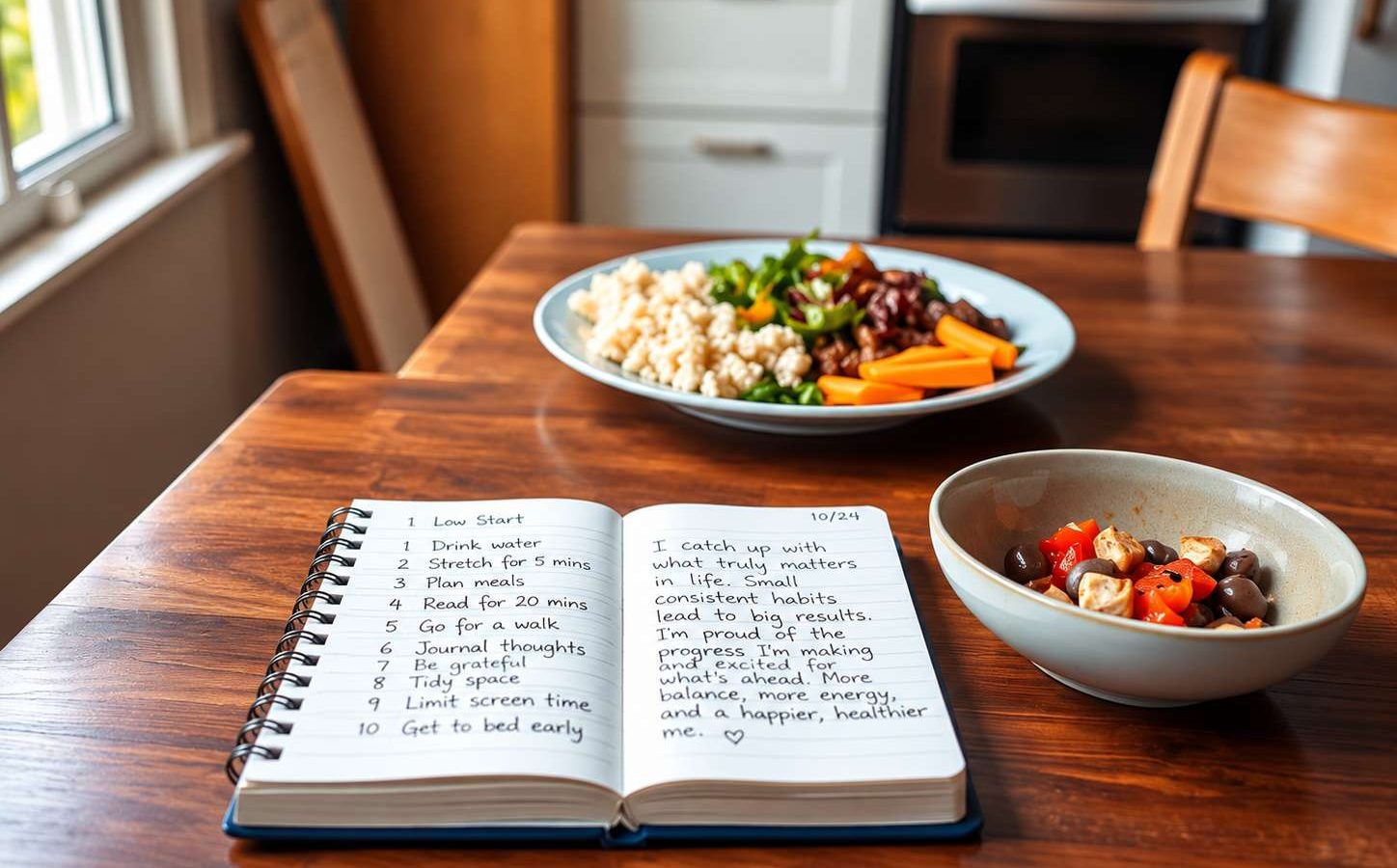
Sustainable weight loss over 12 months usually comes from repeatable habits rather than short bursts of restriction. The best habits are the ones that help you manage food intake, movement, sleep, stress, and progress tracking without turning daily life into a constant test of willpower.
TL;DR: Build a modest calorie deficit through meals you can repeat, regular activity, strength training, sleep consistency, and honest tracking. Expect plateaus, adjust gradually, and avoid plans that require all-or-nothing behavior.
A Year-Long Habit Framework
A 12-month view changes the conversation. Fast weight-loss methods can feel motivating for a few weeks, but they often fail when travel, work stress, social meals, illness, or boredom arrives. Sustainable weight loss requires a system that survives normal life. That system does not need to be perfect. It needs to be clear enough that you can return to it after a disrupted day without feeling as if the whole effort is ruined.
The CDC guidance on losing weight emphasizes steady progress, nutrition, physical activity, stress management, and sleep. It also notes that medical conditions, medicines, hormones, age, environment, and other factors can affect weight. That matters because weight change is not a moral score. It is a biological and behavioral process that varies from person to person.
Habit one is meal consistency. This does not mean eating the same food forever. It means having enough structure that most meals include protein, fiber-rich produce, and a satisfying carbohydrate or fat source. Skipping meals can backfire for some people by increasing evening hunger. Grazing all day can backfire for others by making intake hard to notice. The right pattern is the one that controls appetite and fits your schedule.
Movement, Meals, and Recovery
Habit two is planned movement. Cardio can support energy expenditure and heart health, while strength training helps preserve muscle during weight change. A person who only chases calorie burn may overlook the value of getting stronger, walking more, and reducing sedentary time. The most useful activity plan is one you can repeat through busy months, not just during a motivational phase.

Habit three is environment design. Keep high-friction choices for foods you tend to overeat and low-friction access for foods that help. That might mean prewashing fruit, keeping protein options ready, packing lunch before bed, or not storing trigger snacks in easy reach. Environment design is not about banning every treat. It is about making the default choice less exhausting.
Reading Progress Without Panic
Food prep is one of the easiest environment changes to make. The related article on meal prep for busy people explains how to prepare flexible ingredients instead of forcing identical meals, which is often the difference between a useful system and a short-lived project.
Habit four is sleep protection. Poor sleep can increase hunger, reduce training quality, and make planning harder. A practical goal is not a perfect bedtime every night. It is a repeatable wind-down window, less late caffeine when it affects you, and fewer nights where work, screens, or stress push sleep to the edge. Sleep is not a weight-loss trick. It is a recovery foundation.
Habit five is measured feedback. Scale weight is one data point, but it can move because of water, menstrual cycle changes, sodium, training soreness, digestion, and travel. Use weekly averages, waist measurements, clothing fit, training performance, energy, and adherence notes. If the average trend is flat for several weeks, adjust portions, snacks, drinks, or activity slightly. Avoid dramatic cuts after one frustrating weigh-in.
Cardio choice can also influence adherence. Some people enjoy intervals, while others stay more consistent with steady walking or cycling. The comparison of HIIT vs steady-state cardio can help you match conditioning work to recovery, preference, and long-term consistency.
Thirty-Day Habit Choice
Common mistakes include setting a deadline that is too aggressive, removing favorite foods completely, ignoring weekends, and changing five habits at once. Another mistake is using exercise as punishment for eating. That mindset can damage consistency. Movement should support health, strength, mood, and routine. Food choices should support energy and appetite management. Neither should become a penalty system.
The 12-month lens also requires maintenance periods. Some people benefit from phases where the goal is simply to hold weight steady while practicing the same meals and activity. This can reduce burnout and teach skills that matter after weight loss. Maintenance is not a pause in progress. It is practice for keeping the result.
Another useful habit is planning for social meals before they happen. Eat normally earlier in the day, choose what matters most at the meal, and return to the routine afterward. Trying to “save calories” all day can lead to overeating later. A stable rhythm usually works better than dramatic compensation.
Progress also depends on food skills that are rarely exciting: reading hunger, slowing meals down, choosing portions before eating from a package, and noticing liquid calories. These habits sound small, but they operate daily. Over a year, daily habits usually outweigh occasional perfect workouts or strict weeks.
A slower target can also protect training quality. When calories are cut too sharply, workouts may feel flat and daily energy can drop. A modest approach gives you room to keep lifting, walking, cooking, sleeping, and participating in normal life while the trend changes gradually.
Over 12 months, aim for boring success. Keep meals repeatable, movement regular, sleep protected, and progress reviews calm. When a habit fails, shrink it before you quit it. Ten minutes of walking, one prepared lunch, or two strength sessions in a rough week still preserves identity and momentum. The next step is to choose two habits for the next 30 days and track completion, not perfection.